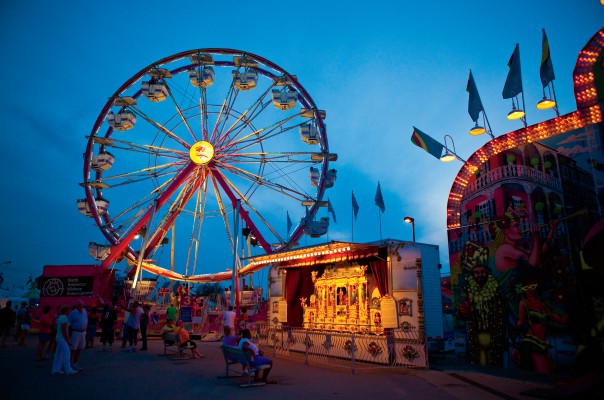
In the early nineteenth century, farmers and other agricultural enthusiasts in the northeast United States organized exhibits that would promote farming. This ultimately led to what has developed into the modern county fair. It included livestock judging, plowing competitions, and exhibits which showcased new agricultural implements and techniques. Today’s fairs have similar aspects, including livestock shows, exhibit halls, carnival rides, food stands, and other large events like tractor pulls and concerts.
See more: A Fondness for 4-H Fairs
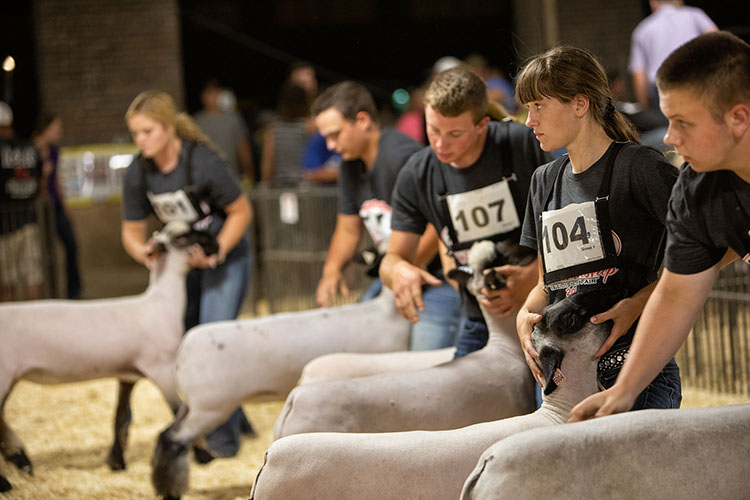
For years, showing livestock has been a great way to showcase an animal’s characteristics and qualities. This includes an animal’s ability to convert feed, pass on desirable traits or care for offspring. Annually, livestock farmers, their children and others involved in organizations such as 4H enjoy showcasing their hard work and genetics for the coming year at livestock shows. These shows are often located at county fairs.
The youth you see in the show ring dedicate many hours to take care of and work with their livestock throughout the year, all while developing a strong work ethic, integrity and responsibility. If they do well at county fairs, they’ll often compete at the Illinois State Fair, typically starting in mid-August at the state fairgrounds in Springfield.
Fair Facts
– By Taylor Hartke