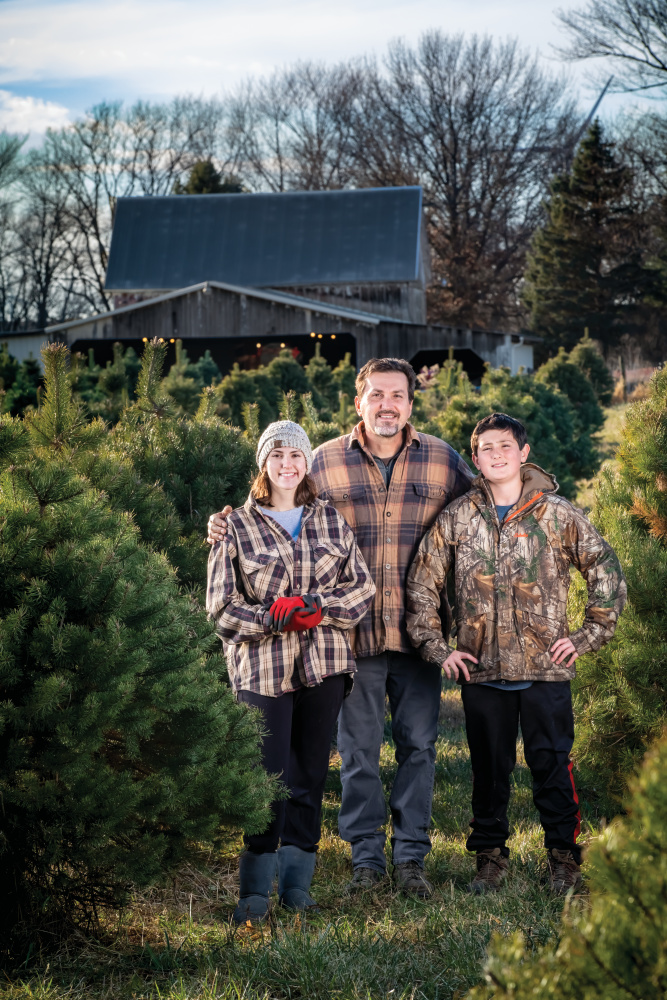
From corn to soybeans, fruits to vegetables, most Illinois farmers raise crops that feed a basic human need. But a few growers tend a crop that feeds the spirit: Christmas trees.
By the time that tinseled tree takes center stage in your living room, tree growers have invested years of care into it. At Helmig’s Tree Farm and Richardson Adventure Farm, that same level of care goes into creating a festive family experience. Along with the perfect tree, you’ll take home picture-perfect memories that will warm you for years.
See more: 9 Fun Facts About Christmas Trees
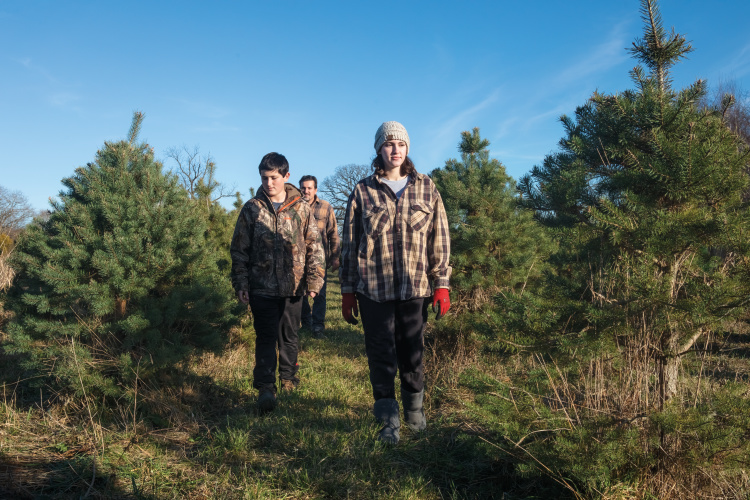
Photo credit: Jeff Adkins
Branching Out: Helmig’s Tree Farm
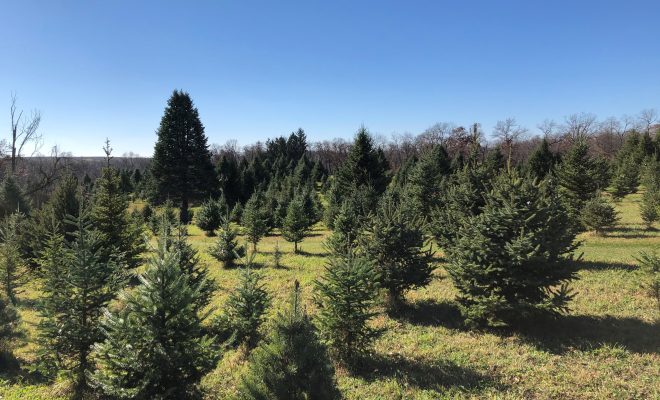
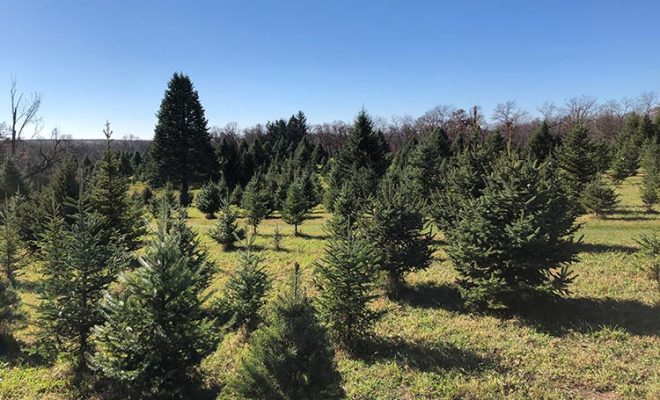
Looking for a side gig, outdoorsman Brian Helmig launched Helmig’s Tree Farm in 2006 with brother, Jason. The 8-acre Christmas tree farm in Saybrook, halfway between Champaign and Bloomington, primarily grows Eastern white pine, Scotch pine, Norway spruce and white spruce. The farm also offers limited supplies of cut-your-own Douglas fir and Colorado blue spruce, as well as pre-cut Fraser firs brought in from North Carolina or Michigan.
“We are constantly monitoring for insects, disease and deer that can damage the trees,” Helmig says. And like any farmer, Christmas tree growers are at the mercy of the weather.
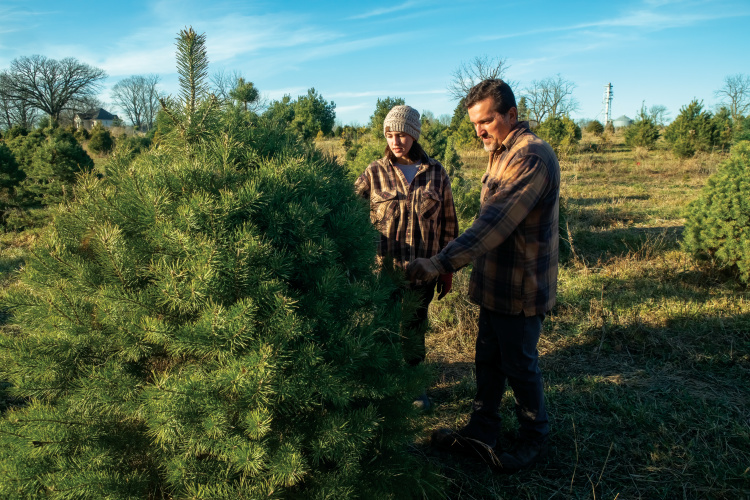
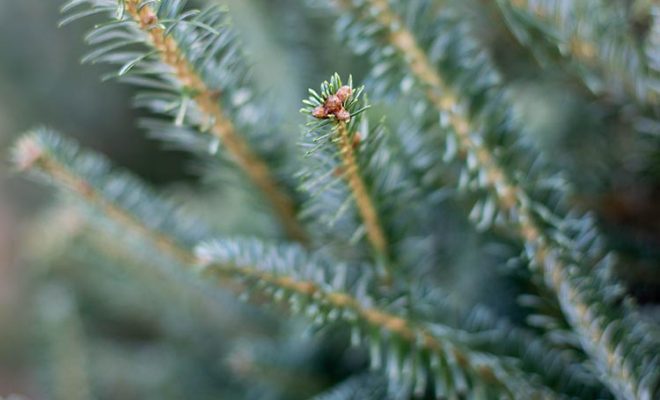
To achieve that classic triangular shape, trees must be hand-pruned yearly to ensure that only one main branch, or “leader,” runs up through the middle of the tree. The long-term nature of the crop presents another unique challenge for Christmas tree farmers like Helmig.
“It takes six to 10 years on average before a Scotch or white pine is ready. Demand fluctuates, so it’s very hard to know the type and number of trees to plant that far down the road,” says Helmig, who stays in touch with other growers to get a feel for demand and trends in consumer tastes.
After finding the perfect tree, visitors can warm themselves by the fire while enjoying hot cocoa and homemade cookies. Shoppers can browse the sales barn for wreaths and swags made by Helmig’s children.
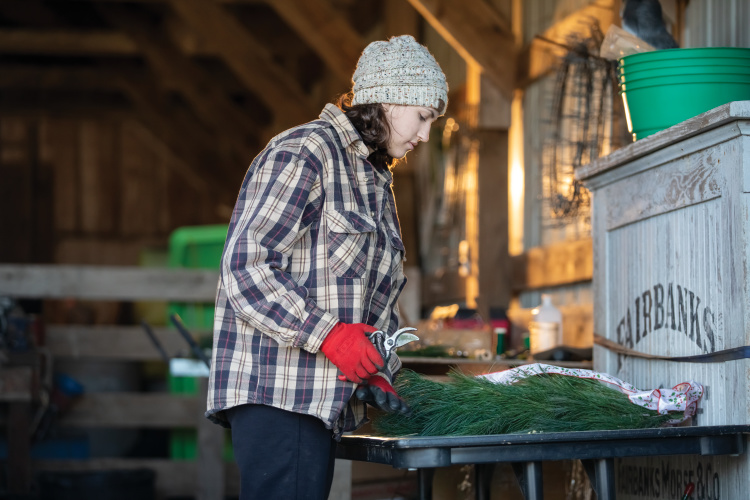
“We try to make things as welcoming as possible,” says Helmig, whose gift shop sells its own version of the iconic Charlie Brown tree. “It’s a fun little add-on.”
Care & Feeding of Your Christmas Tree
1. To avoid drying out your tree, choose a spot away from heat sources like registers, space heaters, fireplaces and wood stoves.
2. Make a fresh cut in the trunk, at least 1 inch from the bottom, just before putting it in the stand. This re-opens the tree stem so it can drink water.
3. Water immediately. After making the fresh cut, place the tree in a stand of warm water. The stand you use should hold at least 1 gallon of fresh water.
4. Add a packet of Christmas tree nutrients, such as “Tree Life,” to the water.
5. Check the water level daily. Do not allow the water level to drop below the fresh cut or the stem will reseal, and the tree will be unable to drink.
Source: Helmig’s Tree Farm
To keep Christmas trees fresh longer, Helmig advises customers to place the tree away from heat sources and keep the water coming.
“We give a fresh cut when you buy your tree and encourage people to make another fresh cut before putting the tree in the stand. Then, just keep adding water,” Helmig advises. “Christmas trees are very thirsty! It is not unusual for a tree to drink 2 gallons of water the first day it is in the stand.”
Helmig enjoys seeing photos of his customers’ decorated trees on social media and recognizing faces at his farm year after year.
“We work hard caring for these trees for years to get them ready, and it’s rewarding to see your hard work bring people back over the years,” Helmig says. “We’re a family business, and we love when other families start their own holiday tradition here.”
See more: How to Pick the Perfect Illinois Christmas Tree
From Dairy to Merry: Richardson Adventure Farm
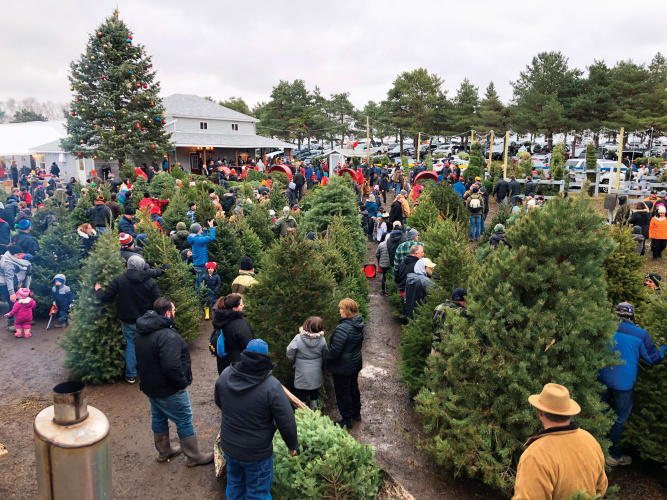
A former dairy-farm-turned-agritourism business in Spring Grove, Richardson Adventure Farm offers something for every season – from a tulip festival in spring to a corn maze in fall. During the holiday season, it’s only natural that this family-run business turns its attention to Christmas trees.
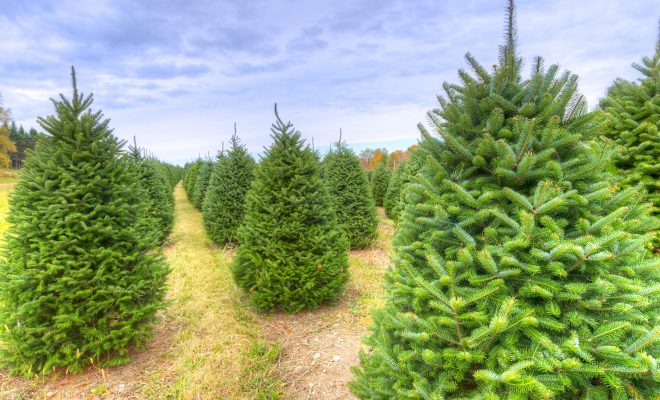
“In 1981, we planted our first Christmas tree, and we’ve continued to grow ever since,” says Robert Richardson, who runs the farm with his brother George, George’s son, Ryan, and their extended families. Today, Richardson Adventure Farm is home to a full-on forest of Christmas trees, with more than 50,000 evergreens spread over 100 acres.
Several varieties grow at the Richardson farm, including Douglas fir, white (concolor) fir, Canaan fir, blue spruce, white pine and Fraser fir, along with pre-cut Fraser firs imported from northern Wisconsin.
“Magazines often promote the Fraser fir, but they don’t grow well here,” notes Richardson, who suggests its cousin the Canaan fir as a worthy substitute. “The Canaan fir grows faster and more full and looks almost identical. The white, or concolor, fir has become a favorite as well. It’s a fragrant, heavy tree that holds its needles nicely.”
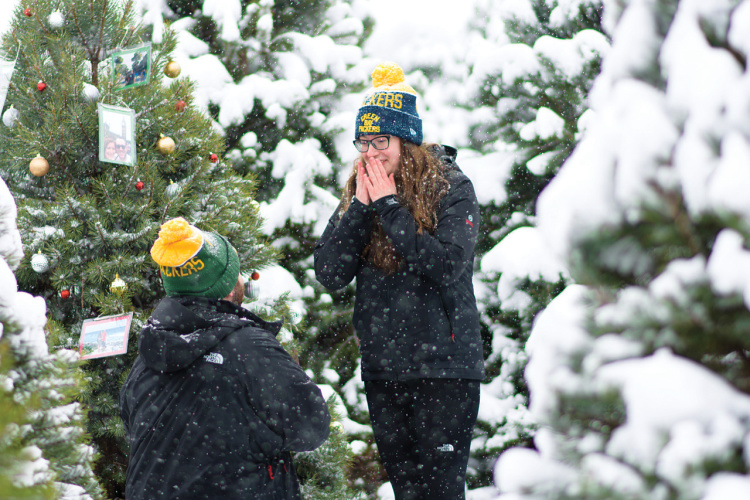
As president of the Illinois Christmas Tree Growers Association, Richardson proudly promotes live trees as a sustainable holiday tradition. While an artificial tree will eventually end up in a landfill, a real tree can return to the soil as mulch after the holidays. Richardson also notes that a tree farmer will plant one or two seedlings for every tree that is cut down.
“A Christmas tree you cut yourself is as fresh as it could ever be. You can buy an artificial tree, but it’s not going to look or smell like a real tree,” Richardson says. “While they’re growing, Christmas trees are cleaning the air, providing a habitat for wildlife and food for the soul. We encourage people to buy live trees – it’s good for farmers, the economy and the environment.”
And let’s face it, the experience of shopping for an artificial tree never inspired a Norman Rockwell painting.
As Richardson points out: “We’re not just selling the tree. We’re selling the experience of getting the tree. We offer a place where people can reconnect with nature and their families.”
See more: 13 Things You Didn’t Know About Christmas Trees
If You Go
For a few magical weeks between Thanksgiving and Christmas, you can enjoy an outdoor family outing to pick the perfect Christmas tree. Then, savor some hot cocoa and homemade treats as you shop for wreaths, swags and other festive finishing touches. To find a tree farm near you, visit ilchristmastrees.com.
Helmig’s Tree Farm
9361 N. 3850 E. Rd., Saybrook
Hours: Friday, Nov. 26, and then Saturdays and Sundays only through Dec. 12, from 10 a.m. to 5 p.m.
(309) 475-9056
helmigstreefarm.com
Richardson Adventure Farm
9407 Richardson Rd., Spring Grove
Hours: Friday, Nov. 26, through Dec. 5, seven days a week, from 9 a.m. to 6 p.m.
(815) 675-9729
richardsonadventurefarm.com