Immerse Yourself in a Historical Getaway to Monroe County
| Posted on
With the Mississippi River forming its western boundary, Monroe County is just minutes from St. Louis, but feels a world away.
The French settled here in the early 1700s, yet it was 19th-century German migrations that heavily influenced the area’s architecture, industry and customs. Established in 1816, the county is named for James Monroe, elected U.S. president the same year.
River bluffs, the American Bottom flood plain and still-surviving prairie give the area a unique topography.
“These natural attributes along with the historical significance of our area give Monroe County its charm,” says Dennis Knobloch, a county commissioner and author of several books on the area’s history.
Undisturbed prairie and centuries-old buildings give visitors the sense that not much has changed here over time, yet Monroe County isn’t stuck in the past. Read on for ideas in planning a springtime sojourn to Monroe County.
1. Maeystown

The National Register of Historic Places includes the entire village of Maeystown – some 60 buildings – on its list. Enter town via a one-lane stone bridge and slip into a bygone era. The Corner George Inn Bed & Breakfast is located in an 1884 hotel and saloon. The Maeystown General Store next door looks similar to when it opened in 1904. The mill, built in the 1850s by German immigrant and namesake Jacob Maeys, now houses the Maeystown Preservation Society, which operates the mill museum and offers weekend tours. Special events include Fruehlingsfest (Springfest) the first Sunday in May, a spring art show, a summer plein-air paint out and of course, Oktoberfest.
2. Stone Bridges

German immigrants in the mid-1800s used local limestone to construct European-style stone bridges over streams and creeks. Many still stand, with some in use. The most visible (and photographed) bridge is at the Maeystown entrance, but another can easily be found in Columbia near the intersection of Illinois Route 3 and Gall Road. Consult greatriverroad.com for a helpful driving tour of the bridges.
3. Natural Areas
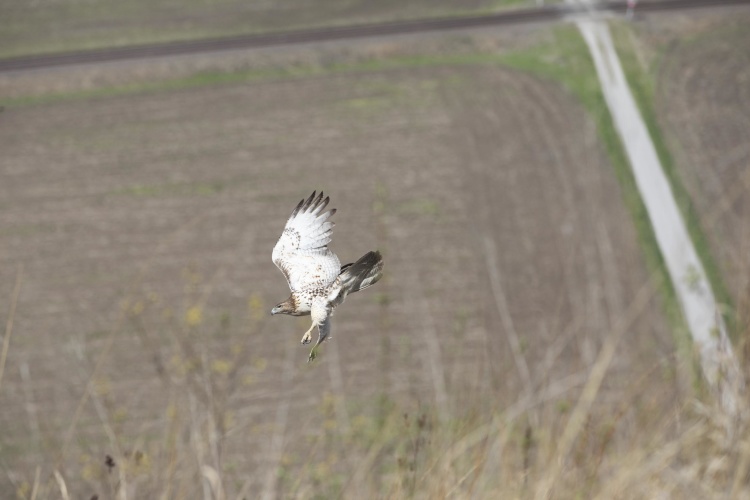
Designated as a National Natural Landmark, Fults Hill Prairie Nature Preserve contains the largest complex of loess hill prairies along the Mississippi River in Illinois. Three trails make up the Salt Lick Point Land and Water Reserve, named for the area’s salt wells (salt production was one of the first major industries). Wildflowers abound in spring. A 2-mile trail system through upland woodlands brings you to hilltop prairies at White Rock Nature Preserve, one of the most unique ecosystems in the state.
4. Waterloo
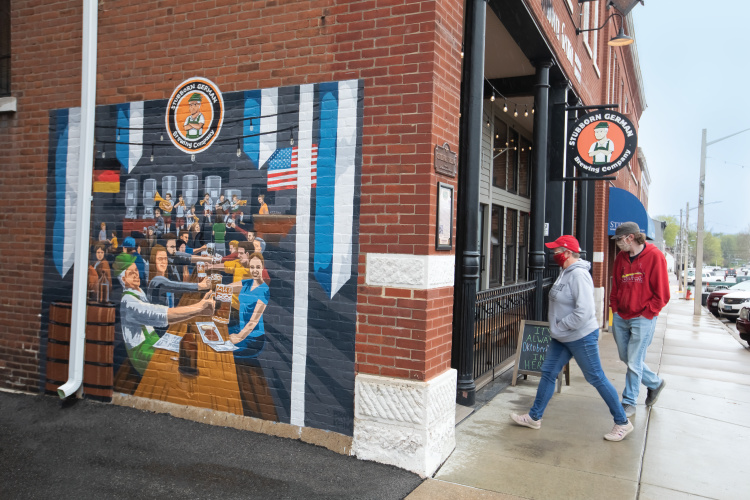
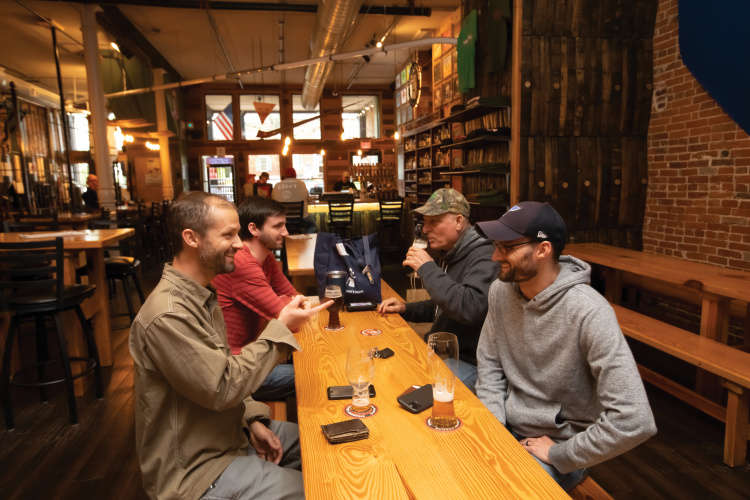
The county seat of Waterloo’s town square and a two-block section of Main Street also can be found on the National Register of Historic Places. Signage on more than 20 buildings explains the history. Celebrate the area’s wine and beer-making heritage at the Stubborn German Brewing Co., Vintage Wine Bar or Hopskeller Brewing Company, all located in historic buildings.
See more: Local Flavor Spotlight: JV’s Downtown Bar & Grill
5. Kaskaskia-Cahokia Trail
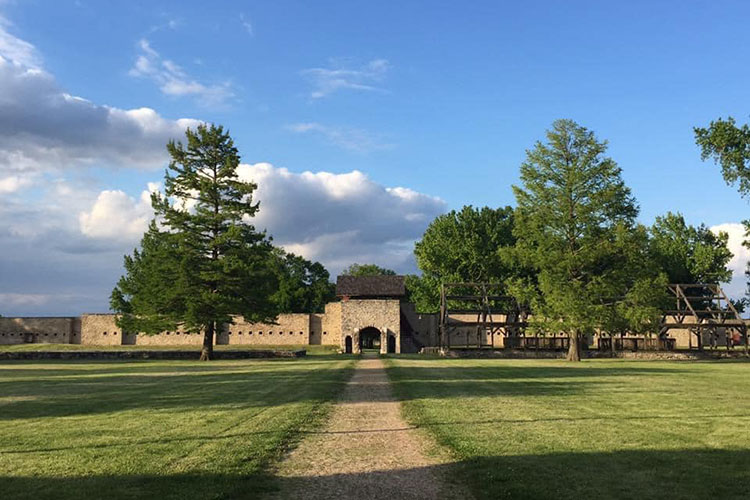
Illinois’ first road goes back thousands of years to the Indigenous peoples carving a trail from present-day Randolph County through Monroe to St. Clair County. French colonists called this “The King’s Road,” which today meanders 60 miles along back roads and through quaint villages. In Waterloo, “if you stand in the backyard of the Bellefontaine Museum and look to the back of the History Museum of Monroe County, you can actually see a portion of the old trail,” Knobloch says.
6. Illinois Caverns
Newly reopened after more than a decade, Illinois Caverns State Natural Area south of Waterloo is an unimproved cave with nearly 3 miles of walking-height passages. Owned by the Illinois Department of Natural Resources, it offers free admission, but a permit is required.Visitors must be in a group and have a hard hat and three light sources per person. A stream meanders through the cave, so prepare to get wet and muddy. This region is known as the Sinkhole Plain, one of the densest concentrations of sinkholes in the U.S. It’s open April-October, Wednesdays through Sundays.
7. Peterstown House
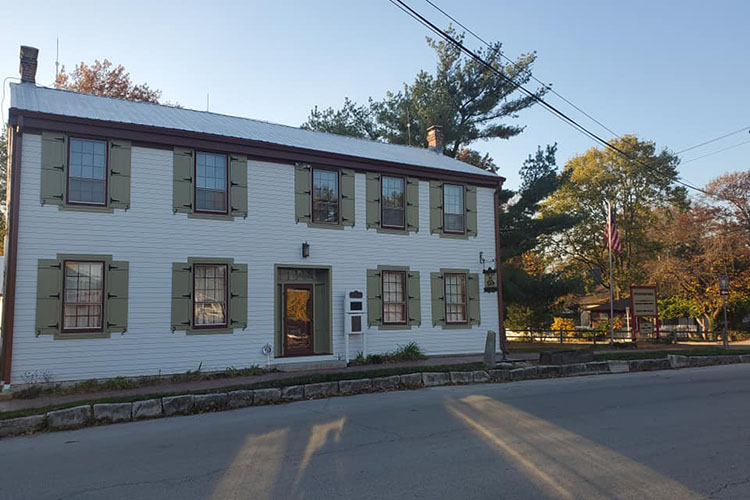
Constructed in the 1830s, Waterloo’s Peterstown House, named for its first owner Emory Peter Rogers, served as an inn and stop when the Kaskaskia-Cahokia Trail was a stagecoach route. Listed on the National Register of Historic Places, Peterstown House represents the only intact inn still standing along the trail. Its museum is open weekend afternoons from April through December.
See more: Illinois Landmarks Added to National Register of Historic Places
8. Stumpy’s Spirits Distillery

A farm family puts the corn, wheat, barley or rye growing in the fields surrounding Stumpy’s to use to craft the small-batch whiskey, bourbon, vodka or gin in your glass. Founder Adam Stumpf representsthe eighth generation of farmers in his family. Each has been called “Stumpy” along the way, giving the Columbia-based distillery its name. In fact, its gin is named “Eighth” after all those generations. Adam and his wife, Laura, started the distillery in 2014. It’s one of very few distillers growing 100% of its ingredients. It offers tours, which include tastings and a souvenir glass, Thursday through Sunday afternoons by reservation.
See more: 7 Spots to Visit on a Spring Getaway to Vibrant Vandalia