Fuel pumps in Illinois can be confusing. With all the options available at gas stations, choosing the right one for your budget, your vehicle and the environment can be a challenge. If you find yourself uncertain when it comes time to fill your tank, check out the list below breaking down fuel types and differences.
What Is Biofuel?
A biofuel is any liquid fuel derived from biomass (renewable sources such as crops or wastes). Because their production relies, in part, on agriculture, biofuels can be produced in a very short time compared to the extremely slow natural process of fossil fuel formation.
See more: Farm Facts: Biofuels
Ethanol, most made from corn, and biodiesel, most made from soybean oil, represent the two most common types of biofuels found at Illinois pumps. Both burn cleaner than pure gasoline and diesel fuel. Both reduce the consumption of fuel made from nonrenewable crude oil.
What Is Octane Rating?
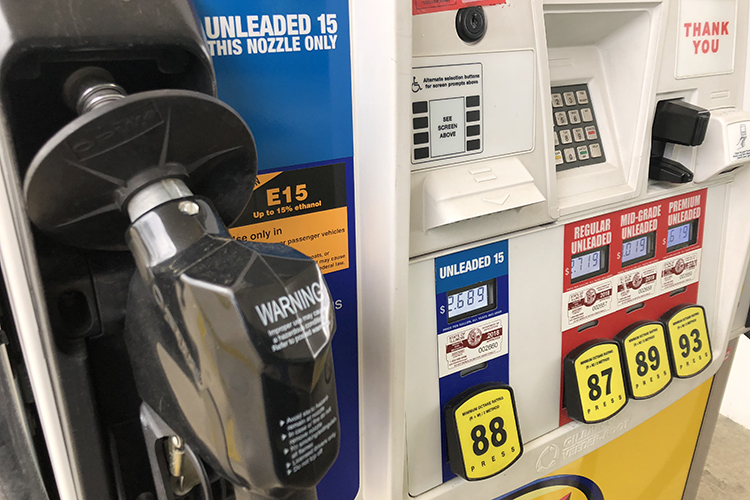
According to the U.S. Energy Information Administration, octane ratings are measures of fuel stability. The higher an octane number, the more stable the fuel and the better its performance. Gas stations display these numbers on the pumps, with 87 generally being the lowest-octane fuel and 91 to 94 the highest. You should always check your vehicle owner’s manual to determine the appropriate octane rating for your car’s engine.
See more: Farm, Food and Environmental Groups Weigh-In on Sustainability
Fuel Types and Differences
Unleaded 87
With the lowest octane rating, gas stations usually label this type of fuel as “regular.” Most contains 10% ethanol, and most vehicles can run on this basic fuel.
Unleaded 88 or E15
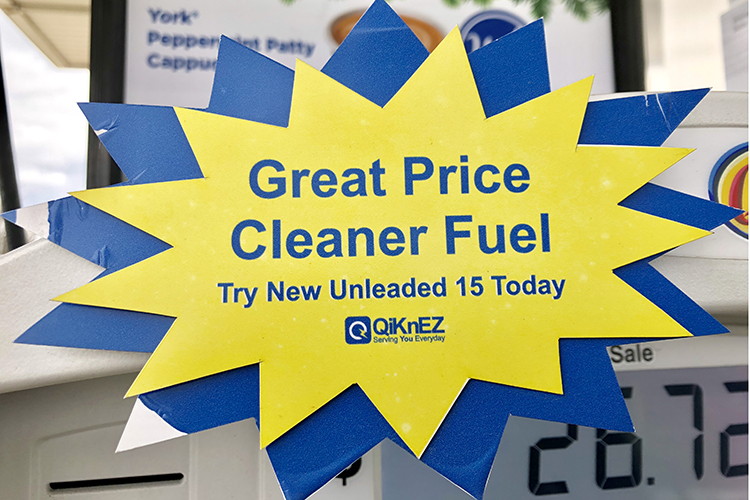
This contains 15% biofuel (ethanol) and 85% gas. It’s approved for all cars from model year 2001 and newer. In many instances, it is priced significantly less than even Unleaded 87. The U.S. Department of Energy (USDOE) provides more information here.
Unleaded 89, 91 or 93
These are higher octane and more expensive options. Some vehicle manufacturers recommend these for larger engines.
See more: The Dusty Truth: Rural Roads Are Critical to Commodity Transportation
E85
Also known as flex fuel, E85 is a high-level ethanol-gasoline blend that can only be used in a flex-fuel vehicle. It can contain anywhere from 51% to 83% ethanol, depending on the geographical location and season. It releases fewer pollutants and can be significantly less expensive than regular gasoline at the pump, but also has less energy per gallon. Illinois has more E85 pumps than any other state, according to the Chicago Area Clean Cities Coalition. The USDOE provides more information on E85 here.
Diesel, Biodiesel or Renewable Diesel
Different from the other fuels mentioned above, diesel fuel exclusively powers diesel engines and has a much lower octane rating. If your vehicle is not diesel-powered, this type of fuel can do significant damage to your engine. Likewise, the other fuel types mentioned above are not compatible with diesel-powered vehicles.
If you do drive a vehicle with a diesel engine, filling your tank with a biodiesel blend could be a good choice for both your wallet and the environment. In 2022, the Illinois General Assembly approved and the governor signed legislation that extends a current sales tax exemption until 2023, and then increases the biodiesel blend level subject to the tax exemption until 2026. USDOE provides more information on biodiesel here.
Renewable diesel is similar to biodiesel, but produced in a different manner, according to the Clean Fuels Alliance America. Illinois soybeans can also be used to produce renewable diesel, and it also has significant benefits for the environment.
Need help sorting out all the choices at the pump? Listen to this episode of the Partners podcast:
Listen to “Sorting Out Choices at the Pump” on Spreaker.
Sources: U.S. Energy Information Administration, FuelEconomy.gov, unl88.com