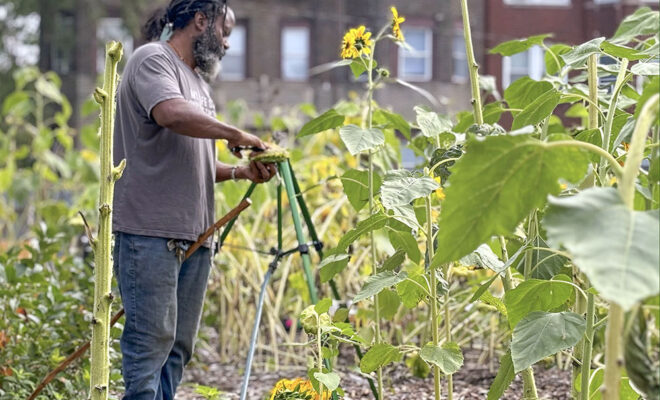
Cars and city buses whiz by on a nearby street as local farmers and food vendors chat with customers amid the green trees and paved paths of Lincoln Park. Skyscrapers peeking out behind the row of tents contrast the brightly colored fruits, vegetables, pastries and plants for sale at the farmers market. Agriculture looks like this in the heart of the city.
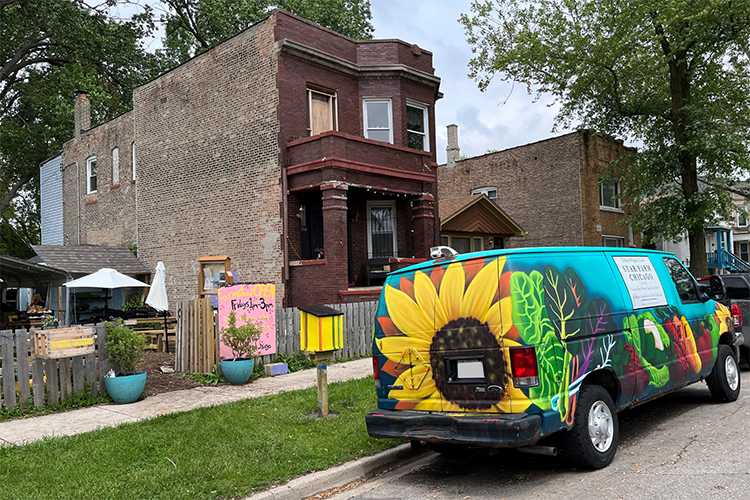
Stephanie Dunn, founder and executive director of Star Farm Chicago, has seen the value farms and farmers markets bring to the city. Her nonprofit, located in the Back of the Yards neighborhood, offers fresh ingredients to area residents and resources to empower minority business owners.
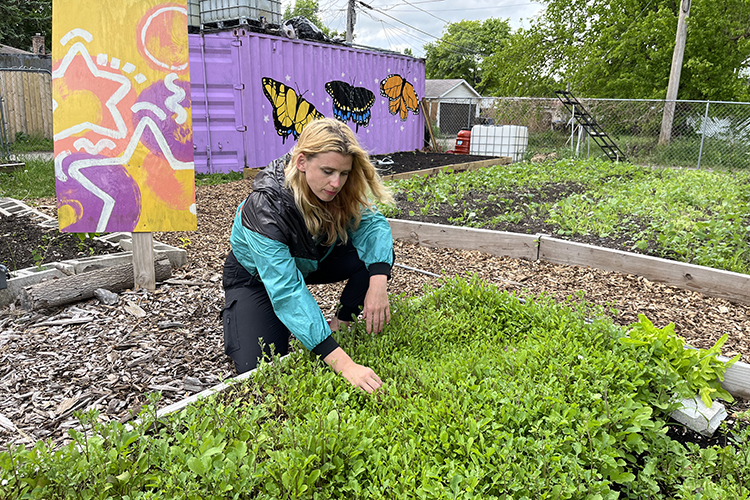
“What we love to do is hire from the community and then bring those people back to the community to interact with other people in the public, to talk up Back of the Yards, vocational training and all of the other programming that we do [at Star Farm],” she says.
The urban farm includes five planting sites where workers and volunteers grow more than 10,000 pounds of produce each year. The farm also aggregates an additional quarter million pounds of fruits and vegetables from local growers, including from minority farmers who participate in the farm’s incubator program.
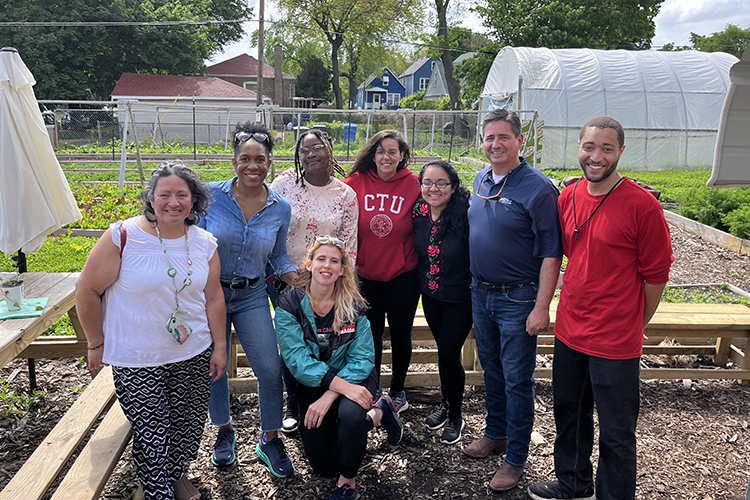
“The incubator farm is a shared space that people can come together [who] either want to learn about farming or to help mentor other people who want to farm,” says Natasha Coleman, one of five women participating in the program.
She grows and sells a variety of tomatoes, collards, chard, peppers, onions, radishes, beets and more, through her business, Coleman Pharaoh Garden.
Dunn’s mentorship and the use of Star Farm resources, such as an on-site cold storage facility, helped Coleman grow her enterprise to include an additional 10 acres in 2022.
“When we’re able to offer basic resources like land and water access, [incubator farmers] have the chance to really unfold their dreams,” Dunn says. “We’ve seen an incredible amount of empowerment, strength and courage come from these women.”
Star Farm farmers sell their products at a variety of traditional markets, pop-up shops and mobile markets throughout the year. Producing foods that are culturally relevant to community members is a priority.
“Farmers markets are a unique access point for communities because we’re right in the neighborhoods where [customers] live,” Dunn says. “When customers come to a farmers market instead of going to a traditional grocery store, they know that they can expect to have a conversation with a real person who was the producer behind the food.”
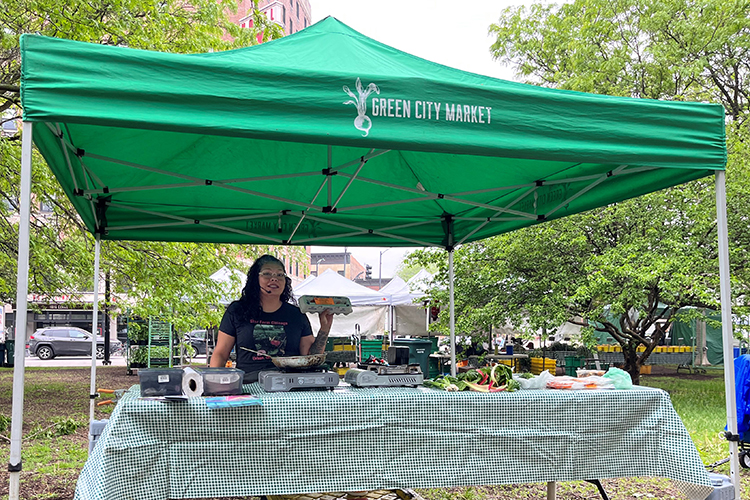
Many of those interactions take place at farmers markets like Green City Market, located in the Lincoln Park and West Loop neighborhoods. To help make fresh foods affordable to area residents, some vendors not only match Illinois Link (also known as Supplemental Nutrition Assistance Program or Electronic Benefits Transfer) dollars but triple them for customers as part of a U.S. Department of Agriculture pilot program. Eligible market shoppers who spend $25 of Link benefits get an automatic $50 more to spend.
“What we believe here at Green City Market is that access to local food is a right, not a privilege, and everyone should be able to shop at the farmers market and support local, sustainable growers,” says Mandy Moody, the nonprofit market’s executive director.
“One of the best kept secrets of Green City Market is the beautiful community of bringing folks together and having that opportunity to chat with the person who has had their hands in the dirt and that grew that food for you,” Moody says. “There’s this wonderful sense of gratitude that is exchanged at the farmers market with shoppers.”
Listen to “Cultivating Our Communities Part II: Empty Lots to Fields of Fresh” on Spreaker.
This content is part of the 2022 Cultivating Our Communities series, which aims to highlight the diversity of Illinois agriculture. Illinois Farm Bureau’s Cultivating Our Communities campaign is a partnership with Illinois Lt. Governor Juliana Stratton, the Illinois Specialty Growers Association, and the Illinois Department of Agriculture. Learn more at this link.
More in the Cultivating Our Communities series: How Rolling Lawns Farm Creates Unique Milk Flavors