More often than wars, global trade disputes or extreme weather events, insects, diseases and weeds threaten the food supply with relentless consistency, season after season.
Beetles eat corn silks, preventing full pollination of the ears. Stem rust disease can devastate wheat. Weeds compete with food crops for the same air, sunlight, soil nutrients and moisture. We have a variety of tools to reduce the impact of these pests, with world crop damage already estimated at 40% lost to weeds, insects and diseases, according to the United Nations.
Without pesticides, that loss could double.
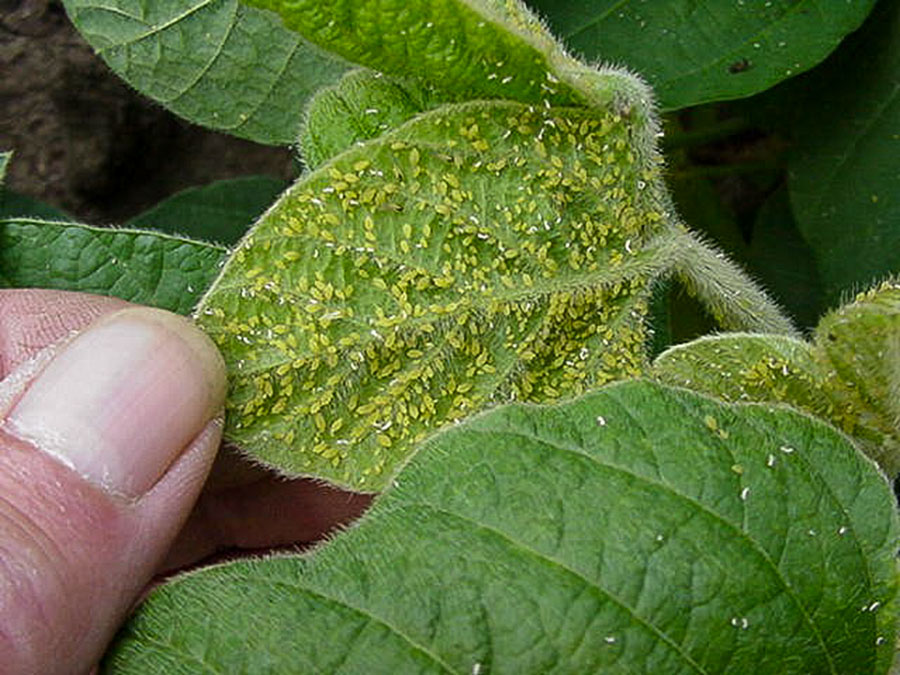
Pesticides, sometimes called chemicals and crop protection products, remain critical to attaining a plentiful, affordable and diverse food supply, especially significant when fewer than 2% of people grow food for 100% of the population. Conventional and organic farmers alike have pesticides in their arsenal, whether man-made or naturally derived to kill pests, including insecticides for insects, fungicides for diseases and herbicides for weeds. We take those products seriously to ensure safety:
- Federal agencies test and approve pesticides: U.S. Food and Drug Administration, U.S. Department of Agriculture and U.S. Environmental Protection Agency test each product and must deem them safe before allowing commercial use.
- Pesticide applicators must be licensed: More often than a license to drive, farmers and hired applicators routinely train and take an exam to attain mandatory certification before allowed to buy and apply the products.
- Farmers try to use less: About 95% of the spray tank is water and only about a soda can’s worth of active ingredient is applied across an acre, equivalent to the size of a football field. Changes in farming practices, such as adoption of GMOs has reduced my farm’s insecticide use by half in the last 25 years while producing nearly 50% more corn per acre. In recent years, we have adopted cover crops, which helps control weeds to reduce herbicide needs.
Likewise, advancements in the technology to apply pesticides makes their use more accurate and effective than ever. As one of the most technologically advanced pieces of equipment on the farm, modern sprayers have automatic flow controls and shutoffs, droplet size adjustments, spray pattern variations and available sensors to scan crop health and weed infestations. Applicators pair these features with guidance technology and an in-cab computer system to prevent over-application, minimize off-target movement and enhance precision in placement and quantity, all to attain the goal of allowing food crops to thrive.
About the author: Joanie Stiers farms with her family in west central Illinois, where they grow corn, soybeans, wheat and hay and raise beef cattle and backyard chickens.