While you may not have heard of the Chicagoland-based company Ingredion, you probably have two dozen of their products in your home right now.
This Fortune 500 company turns grains and other plant materials into products like Mazola corn oil and Argo cornstarch, in addition to making sweeteners, starches and biomaterials. It then uses these ingredients in products ranging from skin care to pet food and beverages to bakery items.
Andrew Utterback, Ingredion’s senior manager of sustainability, says you might have between two and three dozen interactions with an Ingredion product in a given day.
The company that became Westchester-based Ingredion started as the Corn Products Refining Company in 1906. Production of Argo cornstarch began in 1908 at a plant in Bedford Park.
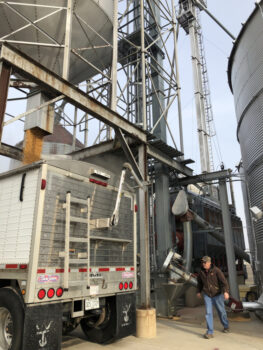
This plant now serves as the largest manufacturing site in Ingredion’s global footprint, grinding nearly 250,000 bushels of corn a day purchased from farmers such as Joe White of Kane County, who has been hauling grain to Ingredion’s Bedford Park plant for more than four decades.
VIDEO: Watch as Kane County farmer Joe White loads his truck and delivers his corn to the Ingredion processing plant right outside Chicago’s southwest side.
Ag Education A-Maizes
Across the street from the Bedford Park plant sits Walker Elementary School, where teacher Eva Manzke works as an interventionist – stepping in when third and fourth graders need some additional help in reading and math.
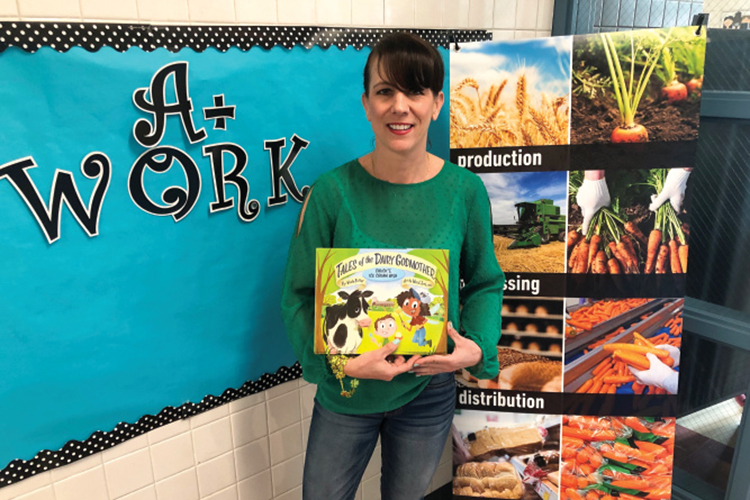
Even with a major food-processing facility in their backyard, students have very little awareness of Ingredion’s role in the food supply chain, says Manzke, who was named the Illinois Farm Bureau Agriculture in the Classroom’s 2023 Teacher of the Year. To increase their knowledge, she weaves lessons about ag-related topics into her curriculum whenever she can.
“We look at corn from planting to harvest and beyond to give students a working knowledge of why all the trains and trucks loaded with corn come into our community,” says Manzke, a native of the area. “Lessons are highly saturated with what one bushel of corn produces.”
VIDEO: See and hear from teacher Eva Manzke at Walker Elementary in Bedford Park.
Manzke also helps oversee a fifth-grade after-school program titled B.A.M. (Body, Agriculture and Mind), which includes field trips to local farms, healthy foods, physical activity and other elements.
Research shows just 21% of teens know where their food comes from. Ag education helps students connect the importance of healthy food to a healthy body, says Manzke, who also coaches girls track at Argo Community High School, named for the iconic cornstarch.
See more: Q&A With Cheryl Walsh, the Pig Lady of Peoria County

Stalks of Sustainability
To ensure a continuing source of grains for their products, Ingredion has partnered with farmers in several ways.
“Ingredion cares about the long-term success and resiliency in our supply chains,” Utterback says. “For us to be successful, our growers need to be successful.”
For example, Ingredion has partnered with PepsiCo and Iowa-based Soil and Water Outcomes Fund (SWOF) to pay participating farmers per acre to add practices such as no-till and cover crops to sequester carbon and improve water quality. PepsiCo buys corn syrup, starch and other ingredients from Ingredion.
The two companies pay into SWOF, which in turn encourages enrollment, assists farmers in implementing the practices, and helps measure and quantify results. In 2022, Illinois farmers in 17 counties enrolled approximately 45,000 acres in the program.

“We have a target of 1 million acres in our global supply chain in regenerative agriculture by 2030,” Utterback says. “This helps us toward that goal.”
Farmers consider the additional $20 to $40 per acre to adopt regenerative practices a meaningful amount of money, which reduces the risk inherent in new methods, he adds.
“Partnering with our suppliers to adopt regenerative practices on their farms will make those farms more consistent and resilient in the face of a changing climate, which is hugely beneficial to both the farmers and Ingredion,” Utterback says.
Learn more about Ingredion in this Partners podcast: