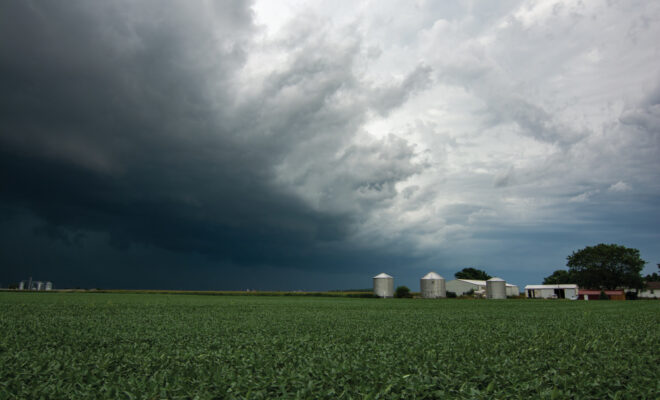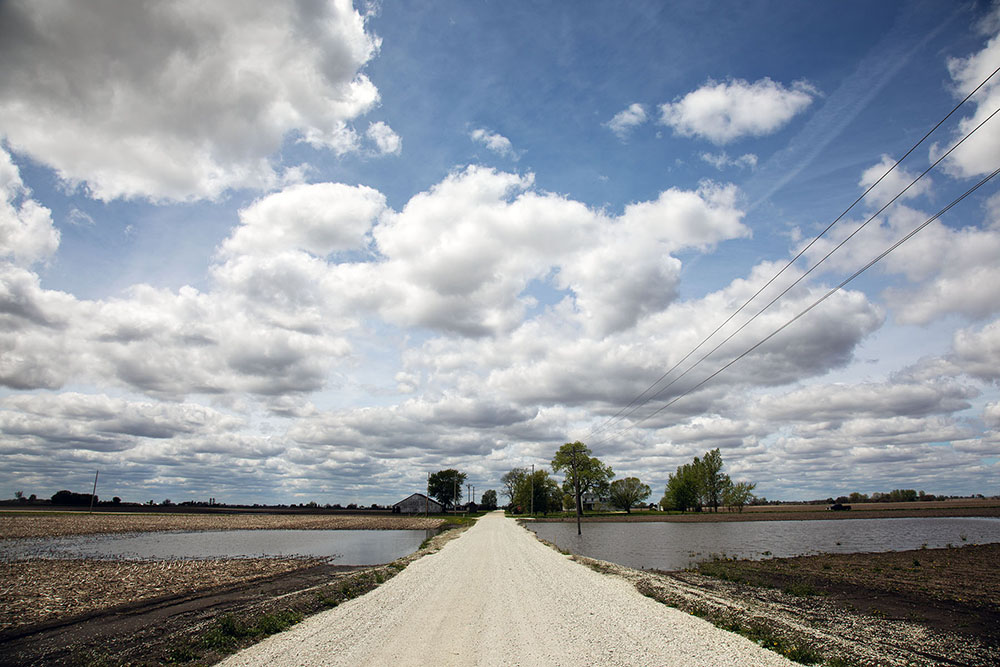
“We have always been able to plant,” I reassured Mom while seated at my desk that faces hers. We should have been seated in a tractor. The season was spring and the year 2019, when it rained. And rained. And rained.
I took screenshots of weather forecasts, showing seven days of clouds and rain. It seemed unbelievable, and mentally, an out-of-body experience that endured. By May 30 of that year (past our typical planting season), we had 80% of our acres yet to plant and had dumped 10-plus inches from the rain gauge. The guys used the rainy days to start maintenance on harvest machinery. They had faith that we would have a crop to harvest.
For generations, farmers have endured weather stresses that impact farm production and livelihoods, and they can name those most-adverse years like sports statistics. Thankfully, technology and modern research give us an adaptive edge, building resilience in the face of weather variability.

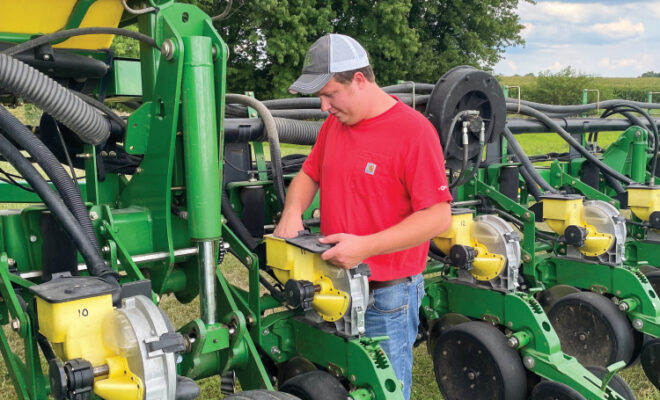
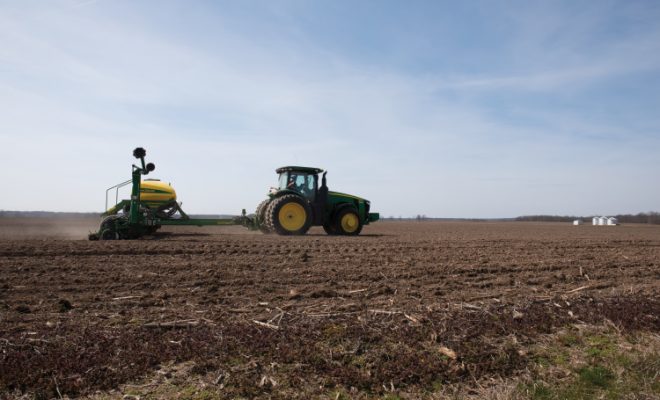
Our planters hold more seed in one fill than Grandpa could plant in a single day in the 1970s. Bigger and faster planters plant crops quicker and more precisely, necessary with larger farm sizes today. Smartphones show live subscription weather forecasts and field-specific precipitation totals. Tile drainage systems improve water management within fields.
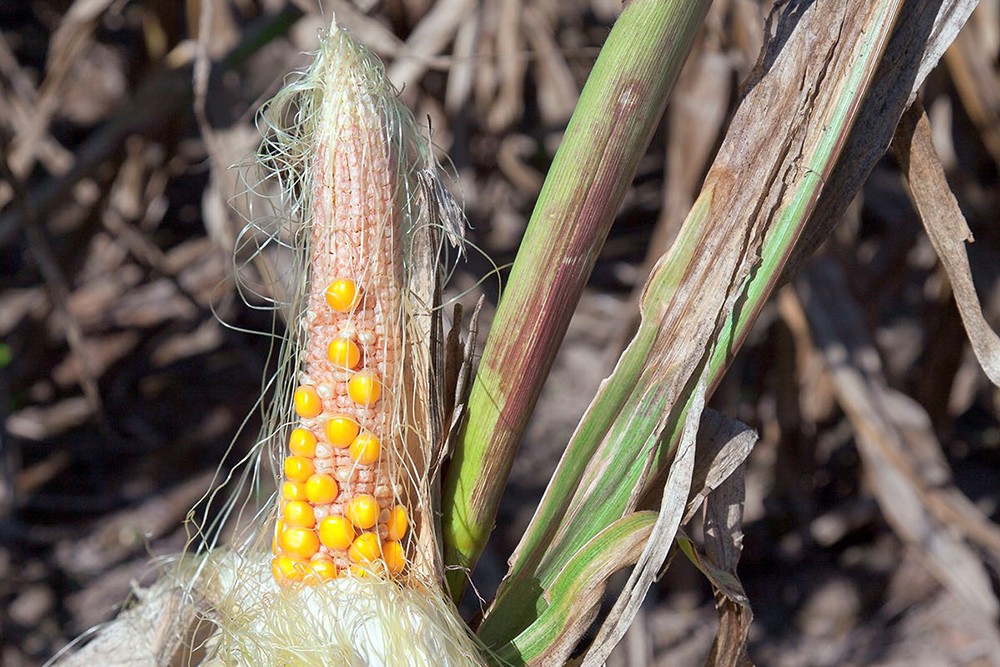
Data shows that over time weather comes with greater variability and extremes from cold to hot and dry to wet. Since 1980, the number of days it has rained more than two inches has doubled in Illinois, a statistic cited in a docuseries at WatchUsGrow.org. More rain in a shorter time can trigger crop losses and soil erosion, but farmers have adjusted to protect crops and the environment.
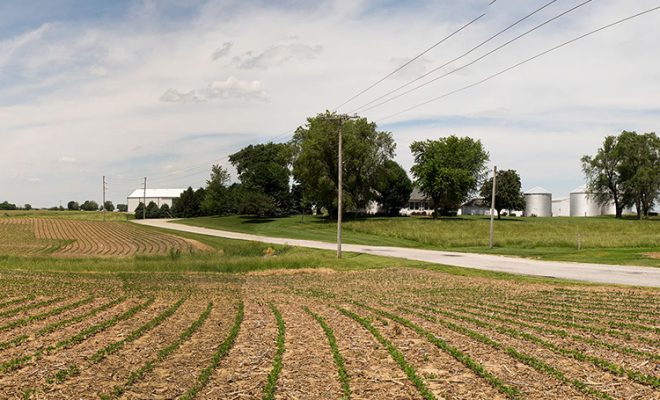
More than ever on our farm and farms across the state, we use cover crops, or ground cover between primary crops. We and other farmers install grass filter strips along streams and use reduced tillage practices to slow and filter water flowing across the land.
When the weather finally cooperated in June 2019, we had a full crew and machines ready to act. The air conditioning stopped working in a tractor, but my brother sweated it out. We planted four times more acres in a day than in the prime of Grandpa’s career and dutifully planted every acre we could.
About the author: Joanie Stiers farms with her family, growing corn, soybeans, wheat, hay and raising beef cattle and backyard chickens in west-central Illinois.
See more: Farmers Share a Steadfast Commitment to the Land Through Generations