


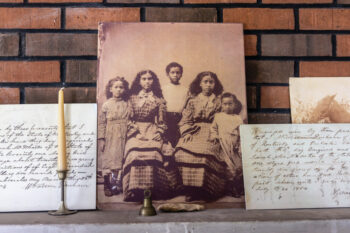
Visitors to one of America’s newest national parks, the New Philadelphia National Historic Site in Pike County, experience an inspiring story of freedom and perseverance where, decades before the Civil War, a formerly enslaved man founded an integrated community.
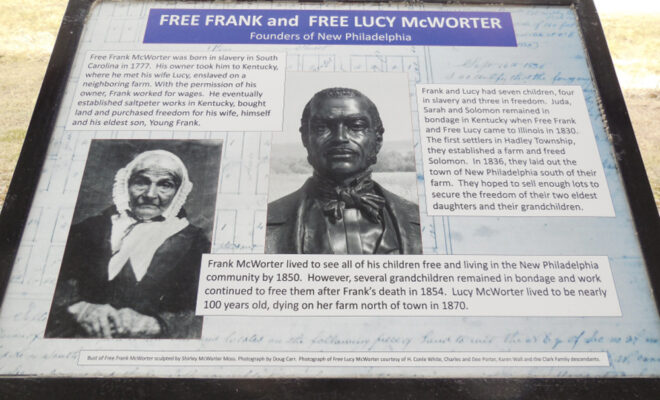
Designated in late 2022 as a national historic site by an act of Congress, the New Philadelphia National Historic Site celebrates the legacy of “Free Frank” McWorter. In 1836, he established a town on the country’s western frontier, which welcomed African Americans and European Americans alike.
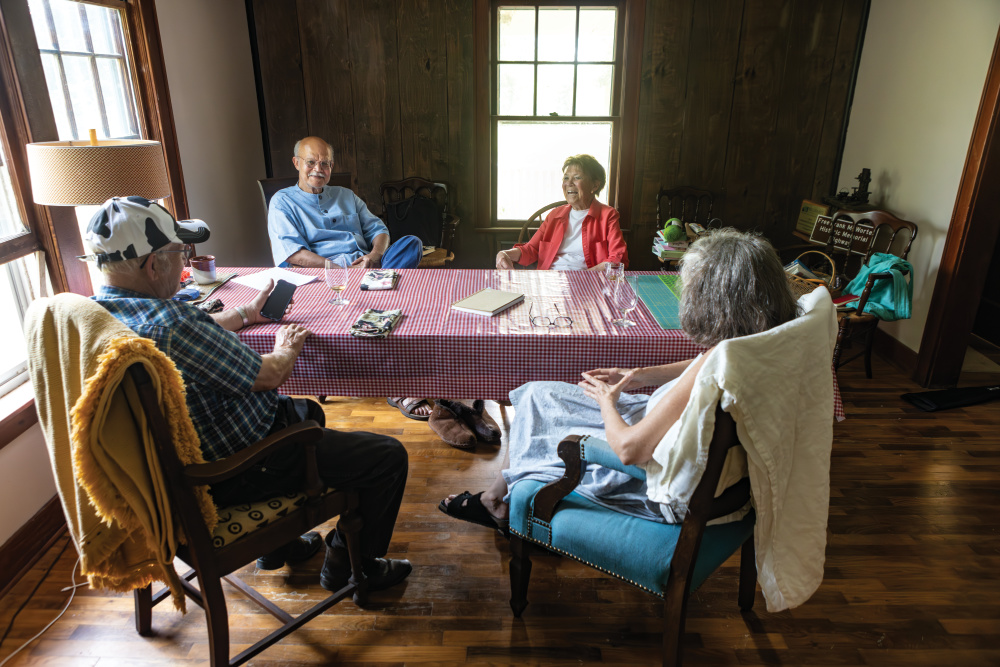
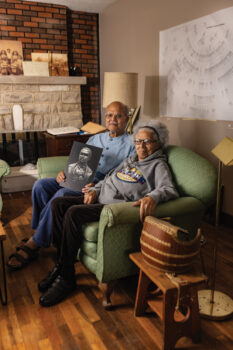
“The story of New Philadelphia is a narrative of freedom and how people who are oppressed will strive to be free,” says Gerald McWorter, professor emeritus at the University of Illinois Urbana-Champaign and great-great grandson of Frank. “It’s a very important part of America’s story.”
An enslaved man in Kentucky, Frank hired out for additional work mining saltpeter, an ingredient of early gunpowder, to earn enough money to buy freedom for himself, his wife, Lucy, and several of their children. In 1830, he purchased land in Pike County and moved his family there.
Settling in a free state, the McWorter family farmed and began acquiring additional land. In 1836, Frank filed a town plat with the county, making New Philadelphia the first known town in the United States planned and legally registered by an African American.
See more: Take a Hike to Pike County and Enjoy History, Beauty and Fall Activities
Welcoming All
Although it was only 20 miles from the slave state of Missouri, Frank’s New Philadelphia community boldly welcomed both African American and European American settlers to work, worship and socialize together.
The name New Philadelphia was chosen to show it was a new community of brotherly love, Gerald explains.
Frank, Lucy and their family continued their entrepreneurial efforts to earn enough to buy the freedom of several other family members.
“Theirs was entrepreneurship with a special purpose,” Gerald says. “Not to accumulate wealth, but to liberate their family.”
As a community that welcomed African Americans, New Philadelphia became an important stop for enslaved people seeking freedom on the Underground Railroad.
“The family story is that if freedom seekers could get to New Philadelphia, they could get a pair of shoes and a horse, and one of the McWorter boys would help them get further north to freedom,” Gerald says.
Situated near the Mississippi and Illinois rivers, New Philadelphia flourished for a time after Frank died in 1854. However, the town was bypassed by the railroad and began to decline as many citizens moved farther west to seek economic opportunities.
While the McWorter family and other community residents continued to farm nearby, the town was eventually deserted and plowed under, leaving no trace of the once thriving community of homes, streets and businesses.
See more: Walking Through History Along the Champaign County African American Heritage Trail

Highlighting History
In the mid-1990s, locals organized the New Philadelphia Association to bring attention to the site’s historical significance. The association displayed informational signs and kiosks and, over time, acquired the site of the long-lost community.
In addition, the New Philadelphia Association developed an animated virtual reality tour of the town’s history, which visitors can access through their smartphones. The virtual tour can also be found online at newphiladelphiail.org.
“The program takes you back to when the town was thriving,” says Phillip Bradshaw, a local farmer and president of the association. “You see the horse and buggies, ladies putting washing on the line and a steam engine. It really brings the site to life.”
Archeologists from the Universities of Maryland and Illinois, as well as the Illinois State Museum, have conducted numerous excavations. Their work has confirmed the oral histories about the significance of New Philadelphia, Bradshaw says.
See more: History and Winter Fun Abound in Lee County
Attracting More Visitors
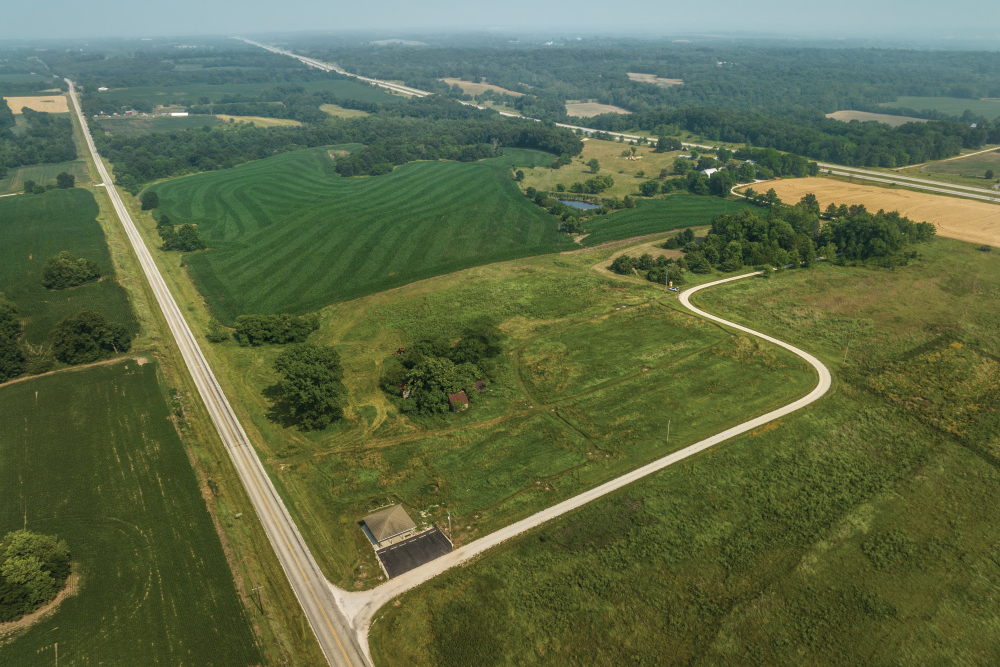
Location: 2159E County Highway 2, Barry; 2 miles east of Barry near Interstate 72 in Pike County Learn more at the New Philadelphia Association website, newphiladelphiail.org, or the National Park Service New Philadelphia website, nps.gov/neph/index.htm.If You Go ...
New Philadelphia National Historic Site
The National Park Service (NPS) plans to build on the work of the New Philadelphia Association, says Mike Ward, NPS deputy regional director, and is currently working on accepting land donations from the association.
With its new designation, the New Philadelphia National Historic Site is already drawing more visitors.
“We knew that would happen when it became a national park, and it’s been great to see,” Bradshaw says.
Visitors can now get a New Philadelphia stamp in their National Park Service Passport Book in nearby Barry at the town hall or library. Bradshaw hopes that beyond just the stamp, visitors to the New Philadelphia National Historic Site develop an appreciation for Frank and the unique community he pioneered in western Illinois.
“When you look at New Philadelphia and you see that the people from different races coexisted, even though this was before the Civil War and was only 20 miles from a slave state, I think it’s a very good lesson for today,” Bradshaw says.
You Might Also Like
-

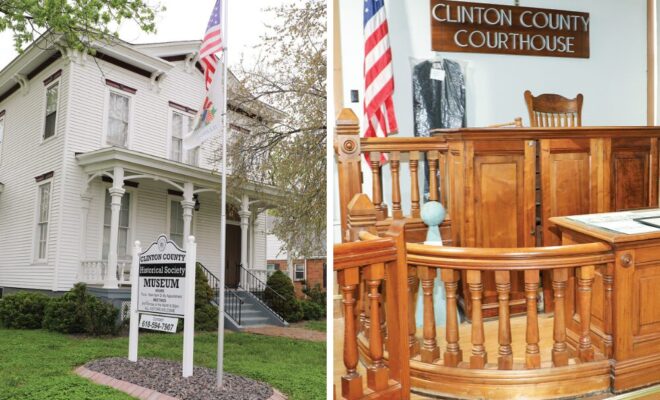
Clinton County Historical Society Museum Honors Judge Sidney Breese and Illinois’ History
-
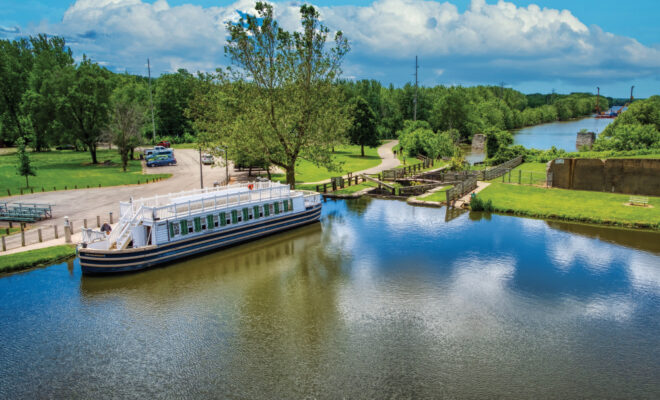
The I&M Canal Promotes Culture and Heritage in LaSalle, Illinois
-
New Philadelphia National Historic Site Honors a Frontier of Freedom
-
Walking Through History Along the Champaign County African American Heritage Trail
Moyi Moyi Farm NPC, non- profit, is a 20 hectare plot at Cornfields Village, Escourt, Kwa Zulu Natal, South Africa. It was bought through cattle sale by my grandfather, Moyi Moyi Mchunu’and grandma Esther in 1936. They established a thriving Methodist Christian community that farmed vegetables and sorghum corn for the town markets. They lie buried there with some members of their congregation.
Their grandchildren, led by late Mbusi, Prof. Mandla and Vusi founded the MMF NPC, fenced in the land, build founding structures, laid water piping as they develop this plot again to be the centre of knowledge, arts, crafts production, veggie and chicken farming.
Prof. Abdul is my mentor and the New Philadelphia project the inspiration for MMF NPC!
Vusi Mchunu