Chicagoland School Bus Company Uses Biodiesel, Offering Students a Healthier Ride
| Posted on

There are many reasons why Cook-Illinois Corp. relies on biodiesel to fuel the school buses and other transportation vehicles it operates in Chicagoland and adjacent areas. Biodiesel is greener, more cost effective and supports Illinois farmers.
But the biggest reason the company uses biodiesel in its fleet of more than 2,000 school buses is to provide a healthier environment for the thousands of students who ride Cook-Illinois buses every school day, according to John Benish Jr., president and chief operating officer of the family-owned transportation company based in DuPage County.
“Biodiesel improves the atmosphere outside the bus where the kids are getting off and getting on, and it improves the atmosphere inside the bus,” Benish says. “We are transporting growing bodies, so anything we can do to make that environment safer and cleaner we are all about.”
See more: Home Kitchen and Cottage Food Businesses Flourish in Illinois
Fueling Local
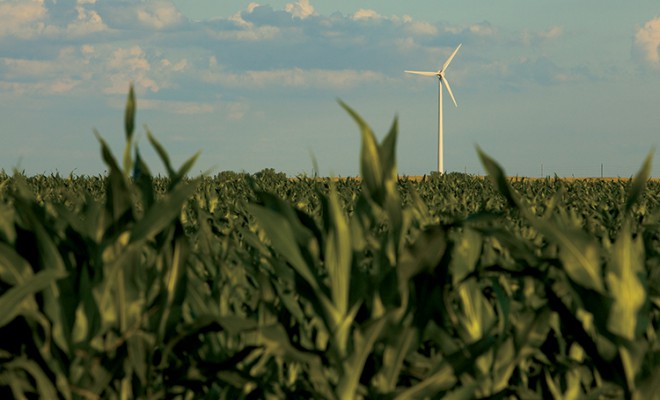
Biodiesel is also a key market for farmers in Illinois because soybeans account for roughly half of the vegetable oil used for biodiesel production.
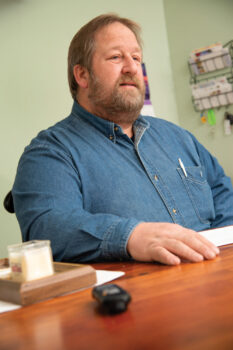
Bill Pauling, a soybean grower and DuPage County Farm Bureau president, says the demand for biodiesel is important in an era of uncertain commodity prices.
“It’s very helpful to have that extra market,” he adds.
Cook-Illinois began using biodiesel nearly 20 years ago and quickly adopted it fleetwide. The company uses biodiesel blends ranging from 11% to 20% in its buses. It’s also conducting a test on some buses running on 100% biodiesel.
See more: Chicago High School for Agricultural Sciences Prioritizes Ag Education

Biodiesel Benefits
The Basics of Biofuel
Biodiesel is a liquid fuel of petroleum diesel blended with renewable sources, such as vegetable oils and animal fats. It is a cleaner-burning replacement for petroleum-based diesel fuel.
Renewable diesel is a biofuel made from 100% vegetable oils that is chemically equivalent to petroleum diesel. It can be sold at retail stations with or without blending with petroleum diesel.
Ethanol is an alcohol made from plant materials that can be blended with gasoline to increase octane and reduce carbon monoxide and other smog-causing emissions.
Source: Department of Energy
Benish explains a key advantage of biodiesel is its flexibility, adding there is a lot of talk about the future of electric buses, but biodiesel can be used now and in existing equipment.
Continuous quality improvements in biodiesel have also made the fuel very reliable, and reliability is critical when transporting students. “We just can’t have a bus full of kindergarteners break down on the side of the road,” Benish says.
Biodiesel is a cleaner-burning, biodegradable fuel made from a blend of petroleum diesel with soybean oil, another vegetable oil or animal fats. Studies have shown using biodiesel or its sister product, renewable diesel, helps reduce emissions of particulate matter, carbon monoxide and other pollutants.
An analysis completed by Illinois-based Argonne National Laboratory also found biodiesel made from 100% soybean oil reduces carbon dioxide emissions by 74% compared with petroleum diesel.
“We are going to be buying diesel no matter what, so why not choose something that’s both greener and cost effective?” Benish says.
See more: Farm-to-School Partnerships Make a Nutritional Difference for Illinois Children (VIDEO)
The B20 Club
The B20 Club, a partnership between the Illinois Soybean Association checkoff program and the American Lung Association, recognizes a select group of Illinois-based companies, municipalities and other organizations with strong commitments to using biodiesel blends of 20% or greater.
By fueling with biodiesel, members of the B20 Club have prevented significant levels of harmful pollutants from entering the air, Bailey Arnold, director of clean air initiatives at the Lung Association says in a press release. That translates into an estimated $25 million in health-related savings and a carbon reduction equivalent to planting more than 3.3 million trees during the 10 years since the B20 Club was launched.
“It’s a great group. We get together about twice a year and we share ideas, like what’s new in the market or how to use more biodiesel,” says John Benish Jr., Cook-Illinois Corp. president and chief operating officer. “They really help raise the awareness of biodiesel in and around Chicago and throughout the country.”