Epiphany Farms Hospitality Group Blends Agriculture, Community and Cuisine
| Posted on
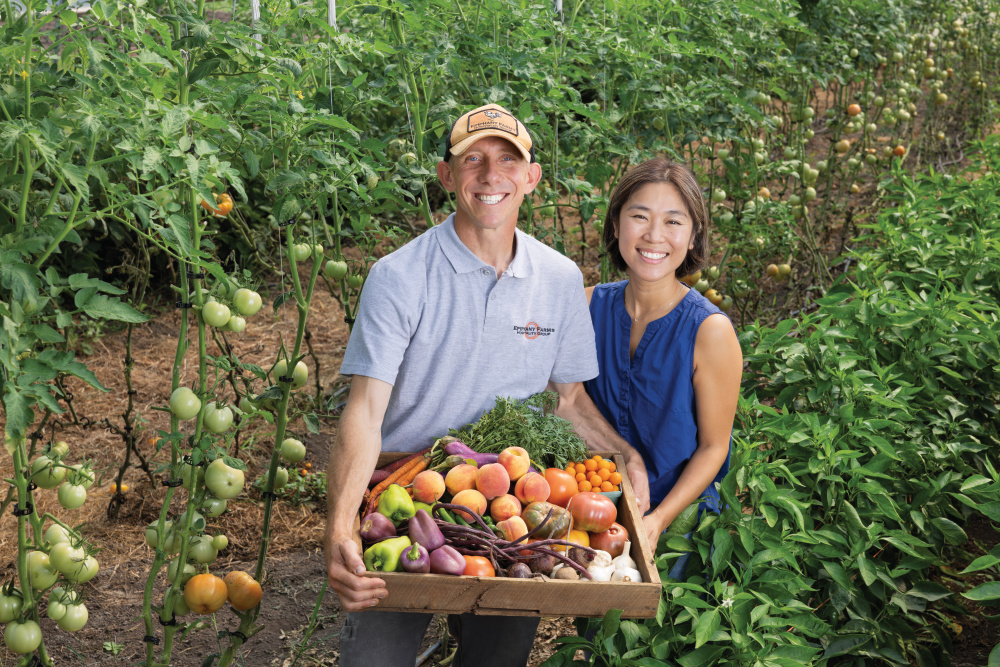
Nearly two decades ago, Ken Myszka, an Illinois native, and his wife, Nanam, who grew up in Seoul, South Korea, envisioned a culinary concept that honored and connected both the land and their shared love of food, culture and community.
The couple dreamt of closing the gap between field and fork, and in 2009, the Myszkas forged Epiphany Farms Hospitality Group, a multifaceted enterprise now comprising four Bloomington-based restaurants, seven special-event spaces, a farm-to-table catering service, a community supported agriculture (CSA) program, and, at its core, a 70-acre working farm and vineyard in Downs.
“We’re trying to create a world-class destination for diversified regenerative agriculture,” Ken Myszka says of their approach to food systems.
See more: Pollen & Pastry Creations Are the Icing on the Cake of Special Events
A Holistic Epiphany
Myszka discovered agriculture through the lens of a chef. After attending the Culinary Institute of America, Myszka worked in esteemed kitchens in New York, Las Vegas and Colorado Springs; then came what he calls an epiphany.
“I realized that if I wanted to become a great chef, I needed to learn how to manage and restore the land to grow delicious, nutrient-rich food,” Myszka says of farming.
Becoming a first-generation farmer typically means navigating steep startup costs, limited access to land and capital, and a lack of generational knowledge, all while building credibility in an industry deeply rooted in tradition. That’s why Myszka says he purposely studied the “godfathers of regenerative agriculture,” similarly to how he previously examined the “godfathers of cuisine.”
“I kept coming across the idea of permaculture, holistically designing farms by working with nature rather than against it to create a permanent system that mimics natural ecosystems,” Myszka recalls.
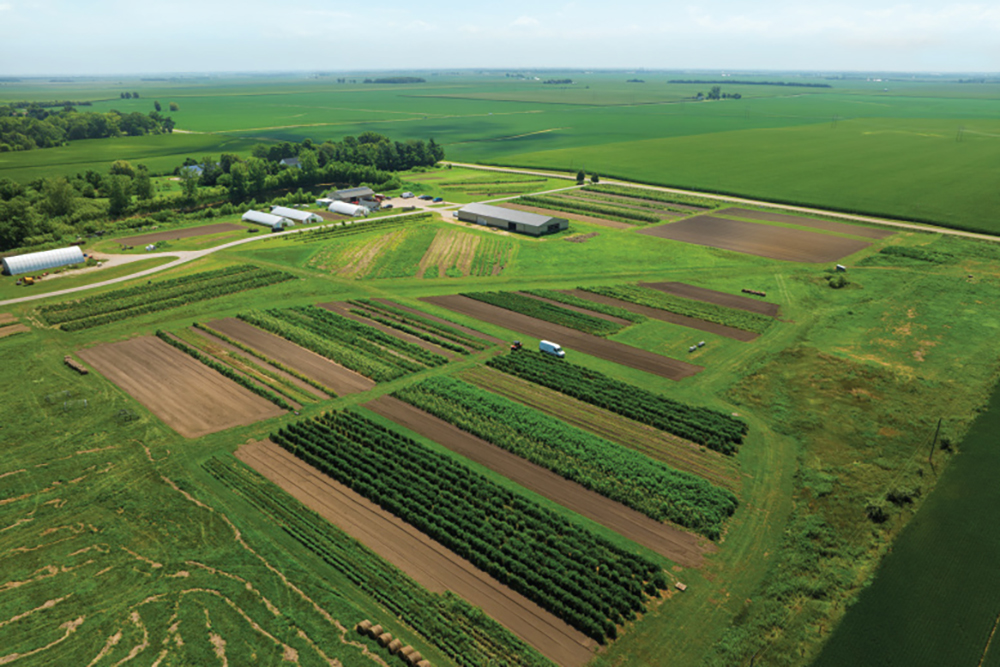
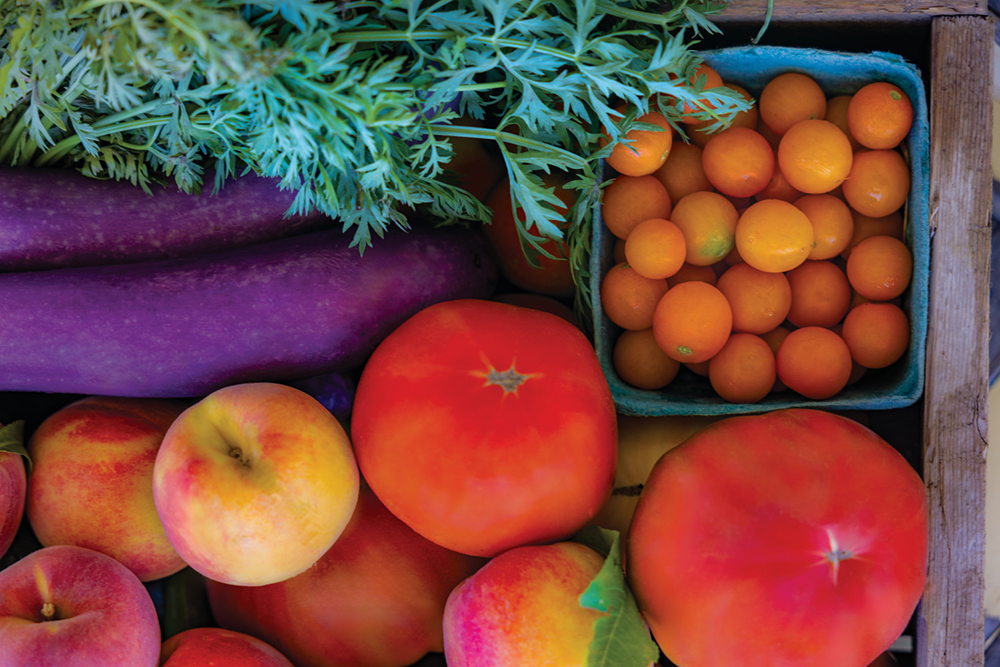
Epiphany Farms grows hundreds of produce varieties and raises heritage livestock, including poultry, all using regenerative methods that build soil health and biodiversity. The organic bounties include beets, berries, cabbage, celery root, currants, garlic, grapes, hazelnuts, herbs, peppers, rutabaga, radishes, squash, sunchokes, tomatoes and turnips, among many other commodities.
The abundant yield affords the ingredients for Epiphany Farms’ restaurants, its farm store and service lines, 150 CSA members, and about 50 more Illinois-based restaurants and grocers sourcing Epiphany Farms’ goods via Down at the Farms cooperative.
See more: Wild Harvest Honey Farm and Others Work to Protect Pollinators and Educate
Morphing Menus
Epiphany Farms Hospitality Group operates four distinct restaurants in Bloomington, each with its own personality.
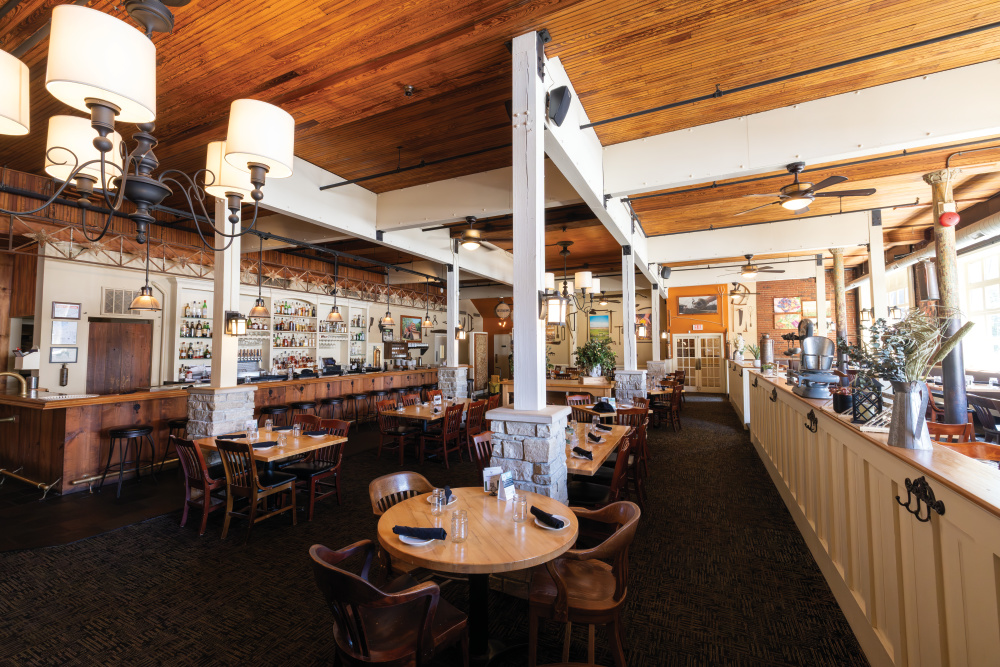
At Epiphany Farms Restaurant (EFR), the vibe feels like a warm, farmhouse-chic celebration of the Midwest’s seasons. This flagship site offers cozy indoor charm with a sunlit patio that further illuminates the space. EFR’s refined menu highlights farm-fresh produce, pasture-raised proteins and local flair to achieve inventive dishes and imaginative cocktails that help shape Bloomington’s culinary scene.
Just upstairs, Anju Above transports taste buds with its focus on globally inspired tapas-style cuisine. Translating to “drinking food” in Korean (aka bar snacks), its modern yet eclectic offerings include Neapolitan pizzas, vibrant sushi rolls, pillowy steam buns and soul-warming ramen, all served within an upbeat atmosphere.
See more: Salger’s Ostrich Products “Meats” a Need With Red Meat Alternative
A nod to Nanam’s heritage with farm-driven ethos, Harmony Korean Steakhouse is a fun fusion of laid-back Midwestern hospitality and lively Gangnam-style dining energy, where friends and family gather for interactive grilling and sizzling savory shareables that delight with daring flavor depth.
“Because our three kids – Clover, Comfrey and Morus – call their grandma Harmony, the menu features authentic Korean food, including recipes from Nanam’s childhood,” Myszka explains.
Finally, Bakery and Pickle is a comfy-meets-clever establishment. Foodies in the know access this hidden gem through a secret entrance in an antique shop.
“By day, it’s a food commissary where we make all our baked goods and pickle or preserve the harvest,” Myszka says. “At nighttime, it turns into a Prohibition-era speakeasy featuring farm-to-table fare.”
Deeply seasonal food offerings spotlight ingredients at their peak with all four restaurant menus
ever evolving.
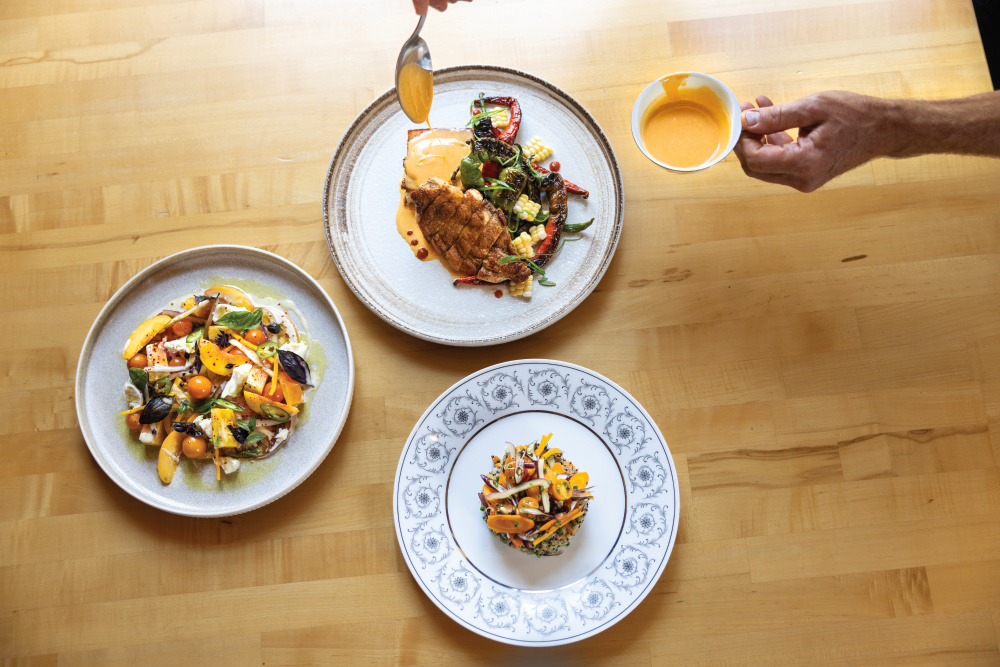
“Our menus are very fluid but with consistent foundations,” Myszka explains. “Epiphany Farms’ meals always have a bunch of veggies from our farm, but the medleys won’t necessarily be the same for returning guests.”
For example, the Farm-Raised Chicken entree at EFR features slow-roasted White Ranger chicken breast served with mashed potatoes, a demi-glace and seasonally specific vegetables that change depending on the freshest harvest.
See more: Evergreen Farm Brewing Keeps It “Ale” in the Family
Next Course
Epiphany Farms Hospitality Group was built with purposeful planning and execution.
“Each of the restaurants exists to kind of solve a problem or need for the farm,” Myszka says. “Synchronously, the farm exists to supply the restaurants. So, there’s a lot of value in that and equilibrium empowering us to reinvest in ourselves.”
Furthermore, because Epiphany Farms Hospitality Group is invested in the products from seeds to servings, there’s a genuine level of prideful ownership and commitment.
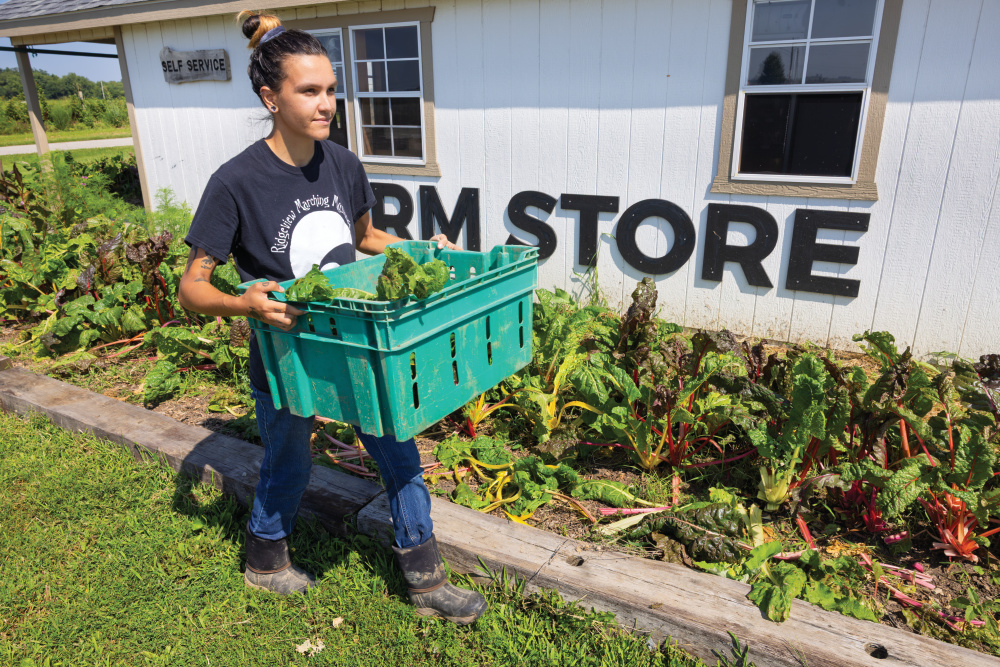
The hospitality group operates a comprehensive compound with several agricultural structures, including multiple greenhouses for season extension, a central pack house and distribution center for processing harvests, a farm store, and a dedicated farm office, each supporting the robust regenerative farming practices that supply their culinary channels.
Additionally, Epiphany Farms is also intentional about engaging the community in the process, literally bringing consumers to the source. Aside from hosting curated farm-to-table dinners and events on-site and in the restaurants, Epiphany Farms leads farm tours, hands-on workshops and public talks, all intended to deepen the public’s understanding of where their food comes from and why it matters. Perhaps Epiphany Farms Hospitality Group has and will continue to inspire an epiphany for future agriculturists, chefs and farmers.
If You Go…
Locations:
Bakery & Pickle
513 N. Main St., Bloomington
Epiphany Farms Estate
23676 E. 800 North Road, Downs
Epiphany Farms Restaurant & Anju Above
220 E. Front St., Bloomington
Harmony Korean Steakhouse
7 Currency Drive, Bloomington
Main Contact Info:
Website: epiphanyfarms.com
Phone: 309-828-2323