Ellen Ewing doesn’t consider herself a farmer or even an agriculturalist. But her interest in food and nutrition as well as a personal mission to help others has her elbow-deep in soil. After reading an article titled “From Battlefields to Farm Fields” and seeing how horticulture therapy had positively impacted her oldest son’s life, Ewing set out to fill two big gaps: A need for community for veterans and food scarcity in North Chicago.
In 2016, she became the founding president of Growing Healthy Veterans – a nonprofit that engages active and retired military members in therapeutic horticulture and service to the community.
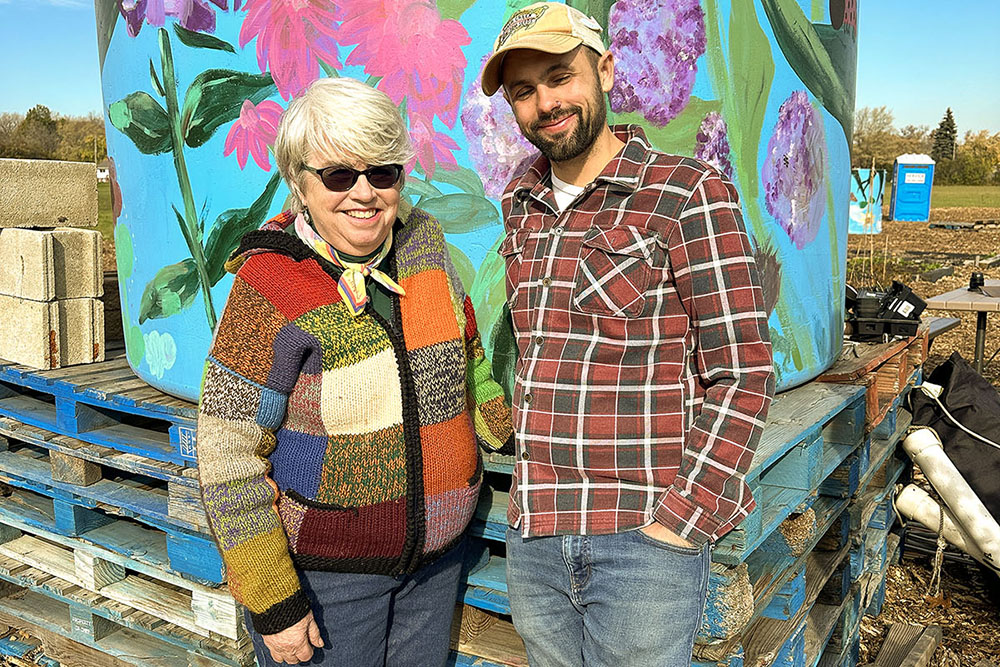
The work began years before that, though, when Ewing’s oldest son found solace and therapy in horticulture. Living in an environmental community with its own farm and community garden, Ewing says her son, Lukan Paulus, began working in the garden. A few community garden projects later, Paulus had certifications in sustainable agriculture from College of Lake County and in horticultural therapy at the Chicago Botanical Garden. Through one project, Ewing and Paulus became connected with a master gardener and decided they wanted to do similar work as a nonprofit.
Recalling the “From Battlefields to Farm Fields” article, Ewing says it “focused on how veterans are very suited to agriculture because of their training as veterans, but also a lot of them come from farms, and so we decided that that’s what we would do.”
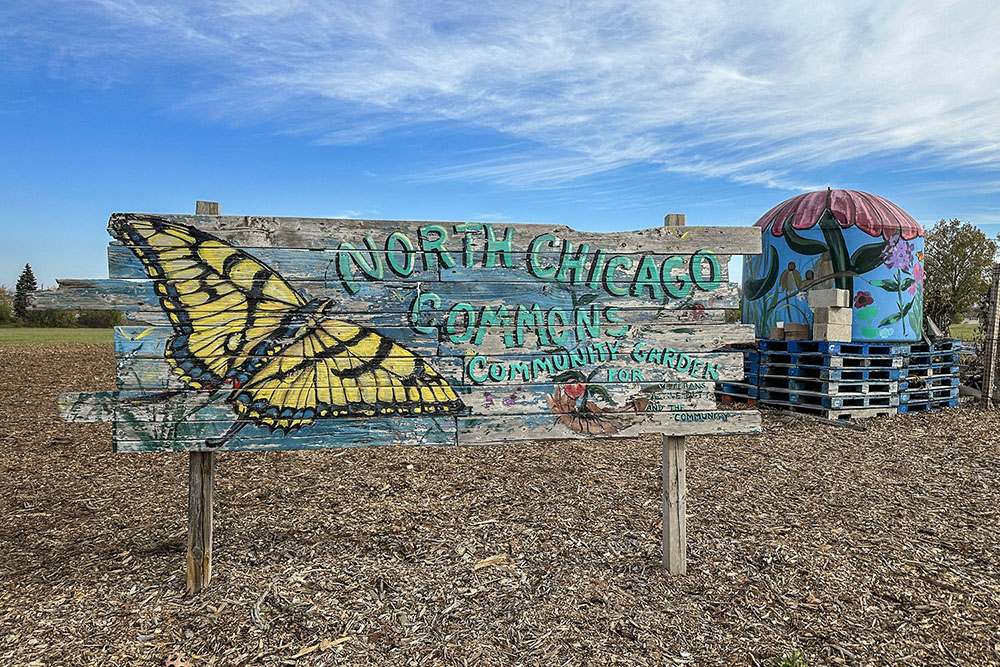
Growing Healthy Veterans
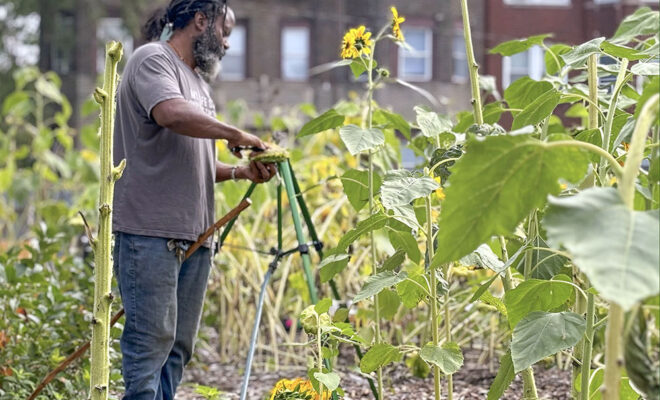
Growing Healthy Veterans (formerly Growing Healthy People) was formed by Paulus and Air Force veteran Marshall Fox. After two successful years of growing at the Prairie Crossing Community Garden in Grayslake, the North Chicago mayor offered Growing Healthy Veterans the use of part of a 14-acre city-owned property, creating the North Chicago Community Garden.
By fall 2018, 33 veterans had participated in the program and distributed over 1,000 pounds of produce to families, residents and local food pantries, but the impact went beyond that. Ewing had helped create a community for United States veterans.
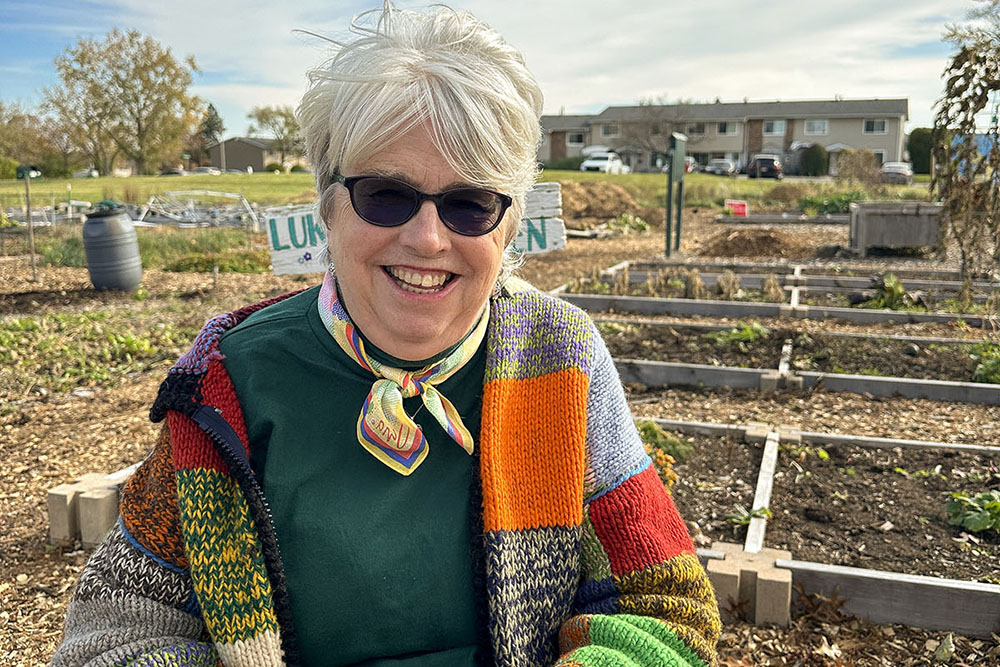
“There are proven studies that horticulture therapy really benefits veterans with post-traumatic stress disorder or moral injury and people with depression,” she says. “Also, you’re growing for a veteran. You’re creating life and seeing it grow as opposed to what they’ve been involved with, unfortunately, before they came back.”
But Ewing says additional benefits have been discovered.
“They can talk to each other and form a community, which they haven’t been able to do,” she says. “Even bigger is that they are back serving their country because North Chicago is one of the biggest food deserts in Illinois.”
Ewing says it’s hard to describe what it feels like to have a participating veteran share that they probably wouldn’t be here today if it weren’t for the program, but she says there’s nothing else she’d rather be doing than dedicating her time to help others.
The North Chicago Community Garden also helps Ewing stay connected to Paulus, who passed away two years ago.
“This was his dream, so being here makes me closer to him,” she says.
And her legacy is to continue Paulus’ work.
See more: Urban Gardens Flourish in Chicago
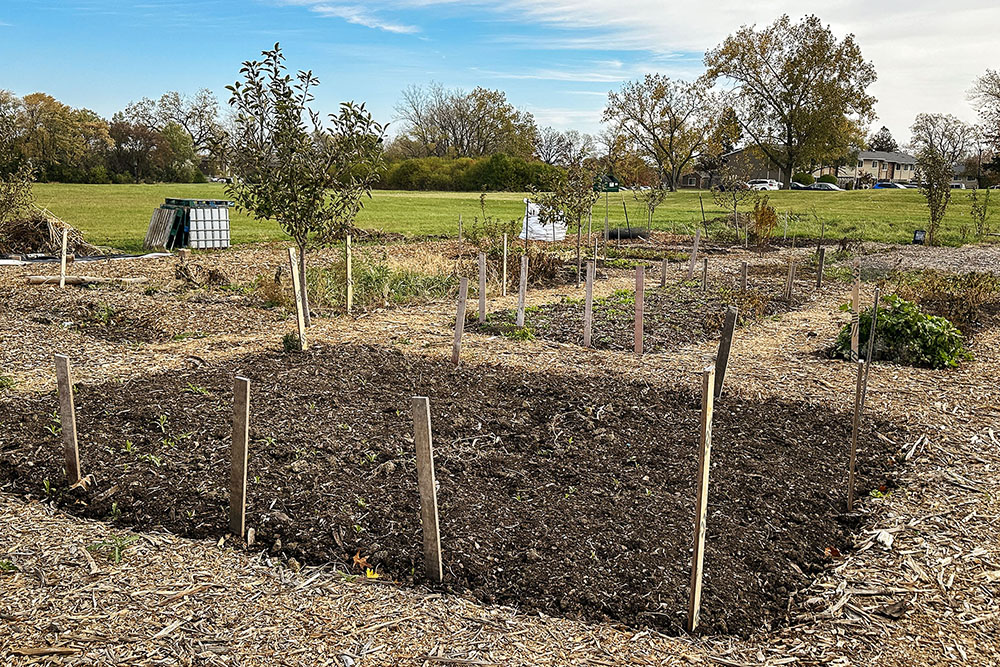
“One of the things that we are saying over and over now is that we want to turn North Chicago from a food desert to a food beacon. I would love my legacy to be that cities all over the country recognize the extreme value of getting veterans involved in urban agriculture, helping to feed people,” she says.
While she works to curb food deserts, she’s already leaving a mark on those around her.
“In so many ways, she does way too much,” says Calvin Piktel, Growing Healthy Veterans operations manager. “She’s a good example of what you can do if you really have your mind set to something. I feel very, very fortunate to be able to work with her and learn everything that she has to know. And she just inspires me every day.”
See more: ‘Sky is the Limit’ for Women in Agriculture (VIDEO)
Editor’s note: This story is part of the Cultivating Our Communities series, a collaboration between Lt. Gov. Juliana Stratton, Illinois Farm Bureau and the Illinois Specialty Growers Association. It strives to raise awareness of Illinois’ diverse farmers, farms, and the food, feed and fuel they produce.
Growing Healthy Veterans