We worked into the wee hours, harvesting until the predicted 3 inches of rain that was guaranteed to park our machines for a few days. From the field, we monitored smartphones, our source for the most current weather forecast. Our go-to weather service predicted two large waves of rain, the first expected to saturate most of the state by dawn.
With a full crew and machines operating smoothly, we harvested more acres in that single day than my grandpa would have in 10 days several decades ago.
For generations, farmers have endured weather stresses that impact farm production and livelihoods. However, evolving technology and modern research give farmers an adaptive edge, building resilience in the face of weather variability.
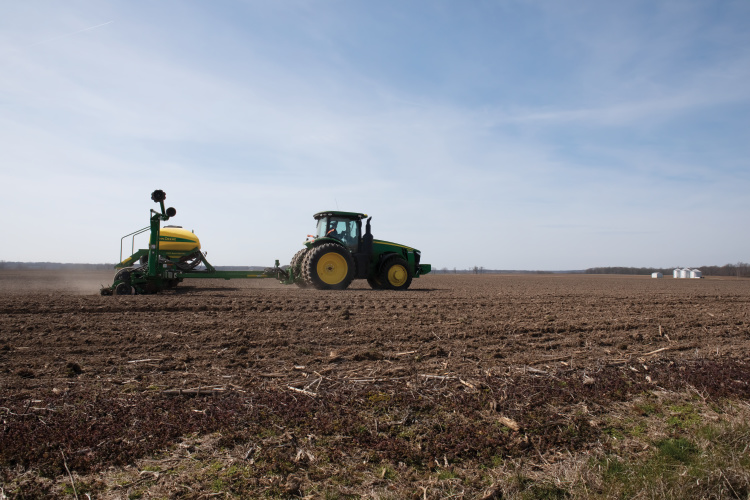
High-capacity combines gather larger volumes of crop during windows of favorable weather. Smartphones show live subscription weather forecasts and field-specific precipitation totals. Bigger and faster planters plant crops quicker. Tile drainage systems improve water management within fields. Even the tedder, a farm implement that aerates mowed hay, helps hay cure sooner to bale before a rainfall spoils one of the multiple cuttings we make each growing season.
See more: Weather Talk: The Universal Language of Farmers
Weather binds farmers from coast to coast and generation to generation. Since farming began, this single variable impacts everything from morning chores and mental states to profitability and table talk. Rain makes grain, and wind can take it down.
We mow hay when the sun shines yet never rule out an irritating pop-up shower before the forage can be baled. When the weather threatens or improves the global supply of food and fuel, our commodity markets react.
Data shows that over time weather comes with greater variability and extremes from cold to hot and dry to wet. Since 1980, the number of days it has rained more than 2 inches has doubled in Illinois, a statistic cited in a docuseries at watchusgrow.org.
More rain in a shorter time can trigger crop losses and soil erosion, but farmers have adjusted to protect crops and the environment.
More than ever on our farm and farms across the state, grass strips along streams, fields of cover crops (ground cover between primary crops) and reduced tillage practices slow and filter water flowing across the land. In fact, Illinois farmers and landowners have dedicated more than 800,000 acres to land and water conservation, removing sensitive lands from crop production to enhance wildlife habitat and reduce erosion.
Farm families remain inextricably linked to Mother Nature in all aspects of our livelihood. Generally, I don’t mind rain on days of birthday parties scheduled during spring planting or fall harvest. A forced rain break puts the focus on the celebration without the mental pull to the field. But you can bet we’ll be checking rain gauges soon after cake and presents.
About the author: Joanie Stiers farms with her family, growing corn, soybeans, wheat and hay and raising beef cattle and backyard chickens in west-central Illinois.
See more: Prescription for a Healthy Crop