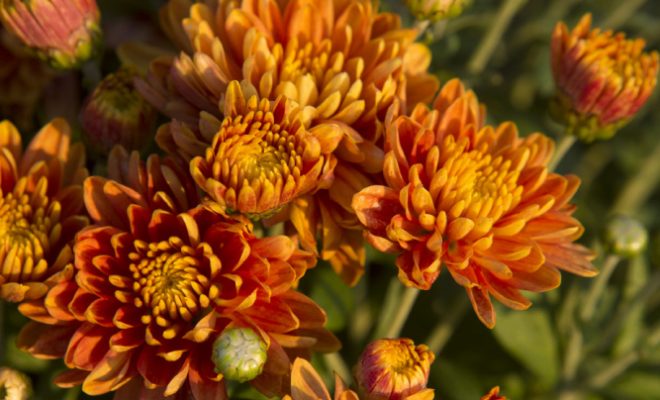
Garden designers suggest growing a minimum of three plants of the same variety in one spot for maximum effect. If cost isn’t an issue, that works. However, with a little time, work and fun, you can grow your own multiples.
Multiplying by seed saving works excellently for most annuals. Collect the seeds when they have dried on the plant. Store them over winter in a cool place in paper, never plastic. If using glass jars from repurposed spice bottles, etc., throw in a desiccant pack saved from something else.
Multiply your perennials by division after they’ve been growing a few years. This method can be done for irises, phlox, daylilies and many more. Dividing benefits the mother plant, especially if the center is dead with new growth coming up in a ring around the original site. Dig up the plant, and pry apart the roots into sections that include roots, crown and leaves. Replant the divisions making sure the crowns are at the same soil level as before.
Some perennials send up daughter plants in the soil surrounding the mother. If the original plant shows no sign of age, dig out the offshoots for replanting at the correct distance. Hostas lend themselves to this method.
Propagate many herbaceous plants (such as geranium, tradescantia zebrina, and Swedish ivy) by a method called “cutting” in late spring or early summer. Choose new, tender tip growth and remove 2 or 3 inches with a clean slice. Remove the lower leaves, dip the cut end in rooting hormone and plant in a potting medium. Keep the transplants out of direct sun and don’t allow them to dry out. Placing the pots in clear plastic will speed the process, but don’t allow the plastic to touch the plant. Once rooted, they can go into the garden.
For woody but flexible plants, such as forsythia and hydrangea, try a method called “layering.” Dig a trench in the soil next to the mother. Choose a long, bendable branch and remove several inches of leaves where it will meet the soil. Cut a few tiny slits on the underside of the bark, bury the branch in the trench leaving a small depression so water will collect. Anchor the branch with a brick and wait five months minimum before cutting the new plant free.
With these tips and tricks, you may become so proficient at plant multiplying, you will have to dig up your lawn for more garden space or become very popular with your gardening friends.
Ask the Expert
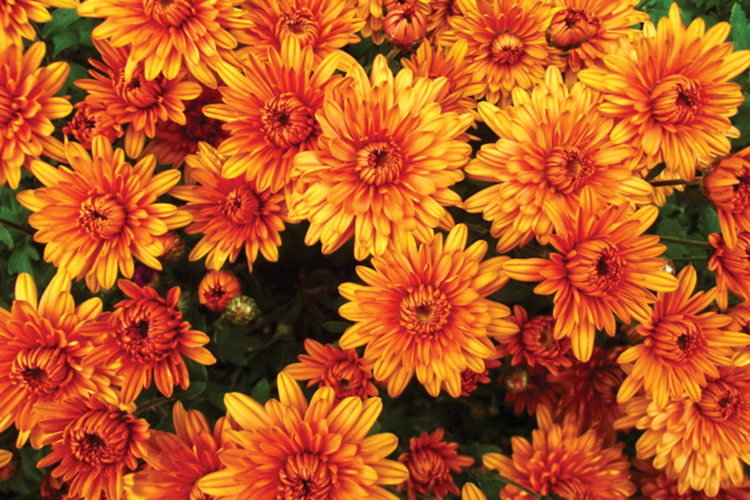
Q. How do I get my purchased potted mums to re-bloom after the first flush is finished and frost is still a month away?
A. Like most perennials, mums have a genetically coded time to bloom once a year, so nothing you do will change that. However, you might be able to keep the plant for blooming next fall. As early as possible, plant it in the ground, leaving the top growth intact all winter to insulate the roots. Fertilize in spring when you see new growth. In June, prune off the top third to promote a compact plant.
About the Author: Jan Phipps is a University of Illinois Extension Master Gardener. She farms, gardens, writes and podcasts near Chrisman.
See more: Helpful Garden Gadgets