If you’ve ever planted a seed in your garden to watch it grow, you know how difficult it can be to create the right conditions to help it thrive. Maybe the plant needs more water, or has too much, maybe the soil around your house isn’t fertile enough, so you add potting soil.
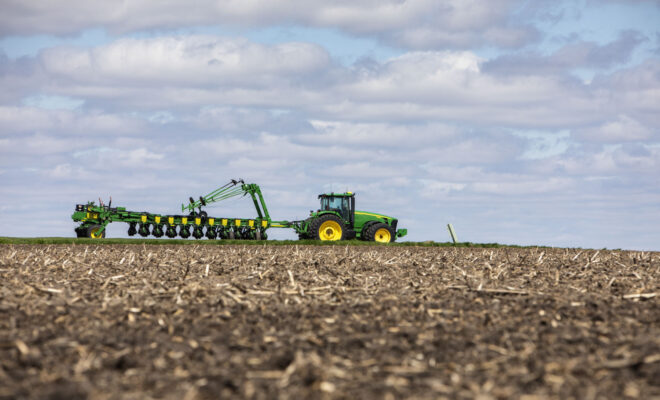
Farmers make similar decisions while planting new crops each spring. Just like the choices you make from season-to-season impact how plants grow in your garden, the stewardship practices we use on our farms matter too.
See more: Farmers, Stewards of the Land and Water
In agriculture, a sustainable future intertwines with environmental stewardship. Farmers improve soil health and water quality using innovative solutions on their farms, they support clean energy solutions that benefit air quality and produce more with fewer resources.
Farmers Invest in Soil Health, Water Quality
One way Illinois farmers explore new crop production techniques is through work with researchers, universities and industry partners.
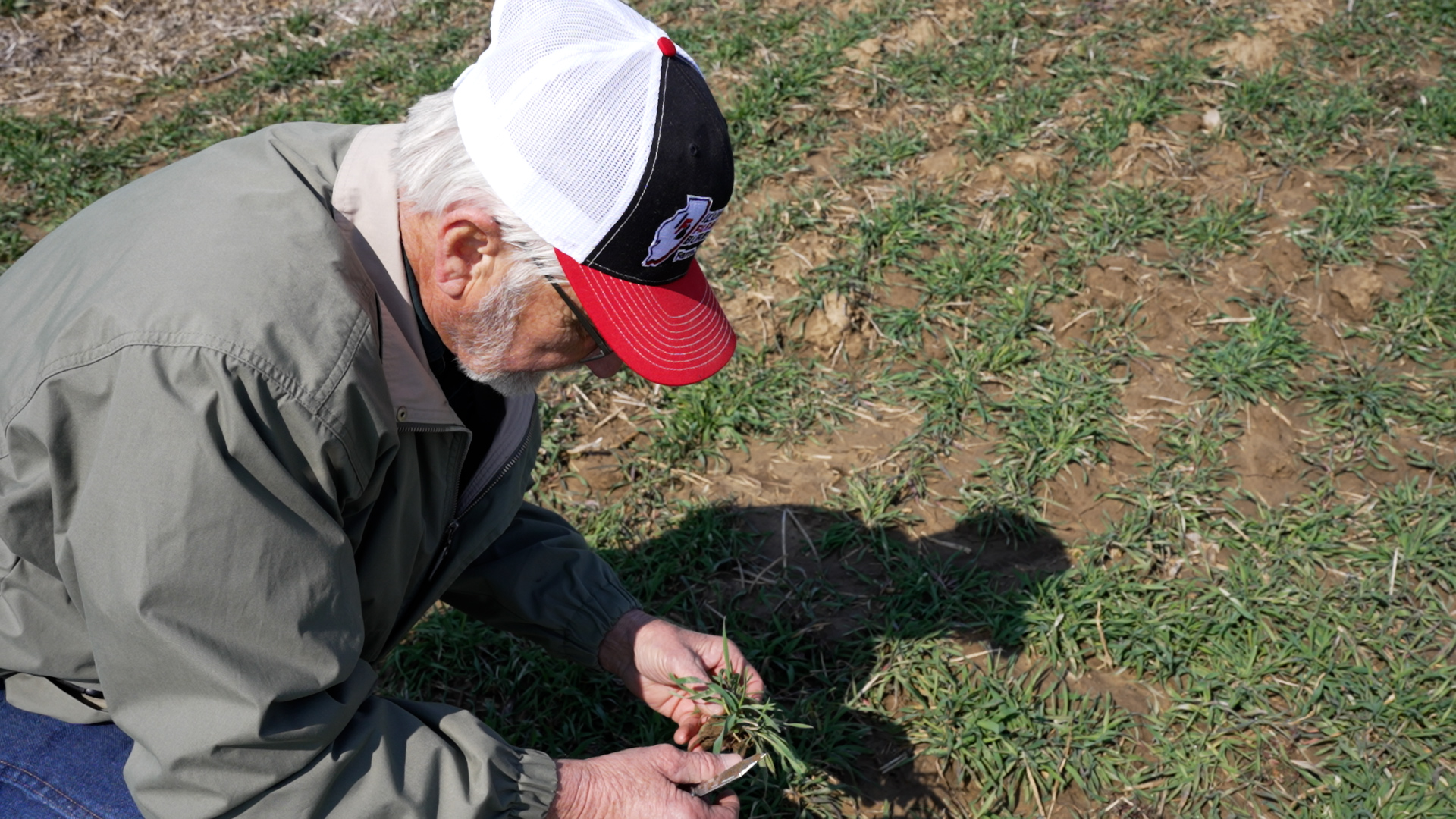
Each year, farmers host on-farm trials through the Illinois Farm Bureau Nutrient Stewardship Grant Program to develop new management practices that protect the land. These studies help growers in each county learn more about the production capabilities of soil in their regions.
In its seventh year, the program has committed over $150,000 to support more than 20 projects across Illinois. Based on voluntary efforts, such as planting cover crops to replenish nutrients in the soil and reduce surface runoff, farmers continue to make increasingly positive impacts on our natural resources.
See more: Today’s Farmers Have the Knowledge to Improve Soil Health (VIDEO)
The goal is balance maximum crop, and ultimately food and fuel production with land management decisions that safeguard farmland for future generations of farm families.
Renewable Fuels Benefit You and the Environment
While stewardship is important, so is agriculture’s contribution to cleaner energy solutions like biofuels.
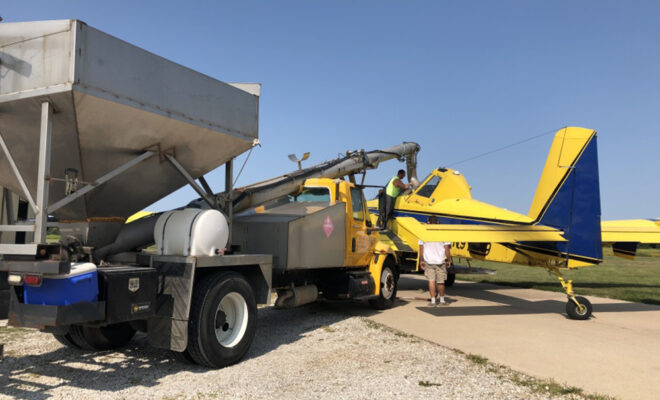
Illinois farmers produce millions of gallons of corn-based ethanol and soy-based biodiesel annually. The supply of these alternative fuels is essential to a strong domestic fuel supply in the U.S., a fact highlighted by supply chain disruptions in recent years.
See more: Farm Facts: Biofuels
More biofuel production means more affordable, environmentally friendly solutions Americans can depend on.
Growing a Bright Future With Fewer Resources
Protecting the environment also means growing more food and raising more livestock with fewer resources than ever before.
Without the technological advancements and climate-smart practices used in modern agriculture, farmers in 1990 would require over 100 million more acres to grow what we do today.
That’s significant because the number of acres used in production agriculture decrease each year, while demand for food, fuel and fiber increase exponentially.
Livestock farmers have also found new ways to do more with less by improving barn construction and reimagining waste management.
Farmers who raise pigs, dairy and beef cattle often recycle the nutrients found in animal manure back into crop production on their farm. Many growers have also tapped into the benefits of using cover crops by using them to replenish their soils between corn and soybean rotations and repurposing them as forage for livestock.
Agriculture, Environmental Needs Are Connected
Farmers make decisions every day to balance the needs of crops and livestock on their farms. Their work supports a steady supply of agricultural products that people rely on and protects the integrity of farmland they hope to one day pass on to the next generation.
Richard Guebert Jr. farms with his son in Randolph County. He serves as president of the Illinois Farm Bureau.