


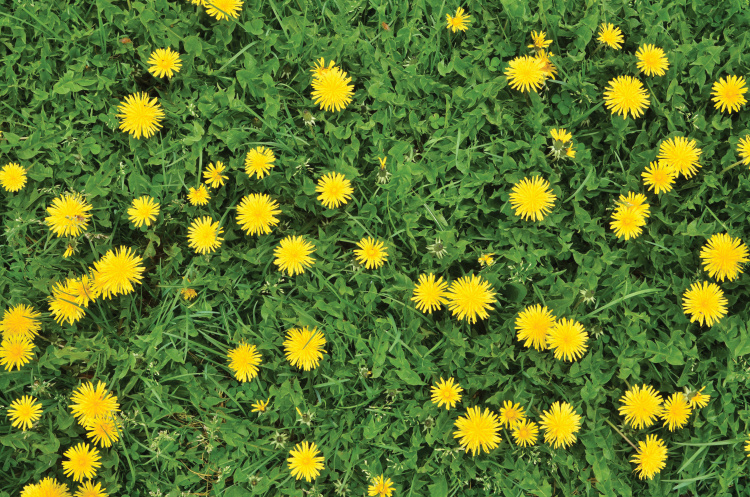
The name dandelion derives from the French dent-de-lion, meaning “teeth of the lion” because of its jagged leaves. The second part of the botanical name Taraxacum officinale tells us it has a medicinal use. In fact, its seeds probably traveled on the
Mayflower along with other medicinal plants brought to the New World by the Pilgrims. It adapted well to America thanks to its versatility and hardiness.
Dandelions grow in full sun or full shade and every light condition in between. Thanks to its deep taproot, the dandelion withstands drought by following moisture deeper and deeper into the soil; however, it grows just as readily in wet conditions. The seeds spread prolifically with the wind, traveling for miles. Deer don’t eat them. They love fertilized and cultivated areas like our lawns and gardens, but lion’s teeth also grow well in natural settings. Heck, they manage to survive in well-traveled public sites with compacted soil.
No wonder dandelions excel at being a weed.
See more: Weeding 101
Before dismissing dandelions as a pest, consider their attributes. First, you can eat them. Slow roast the root in the oven until it is aromatic and dried before adding to salads, stews and soups. Make a caffeine-free coffee by grinding the roasted root into a powder and boiling it in water.
Steeping the leaves in boiling water produces dandelion tea, or use the leaves fresh in salads and stir-fries.
Why go to the trouble? According to Gary Carter, a botanist and herb book author, dandelions are rich in vitamins A and C. They outrank carrots in beta carotene and broccoli or spinach in potassium. They also contain iron and copper.
Bees love dandelion flowers, especially in early spring, a time of fewer blooming plants. If you grow vegetables, fruits or flowers that rely on bees, it helps to have those bright yellow blooms nearby as a food source to attract the bees, so they are in the area when your plants start to bloom.
I like to think of dandelions not as weeds but as wildflowers. I like the color contrast between the vivid yellow bloom and the juicy green grass in the spring. They provide color and diversity in the lawn until the clover blooms several weeks after the big flush of dandelions. Perhaps you too can learn to enjoy the teeth of the lion for its many good qualities.
See more: Invasive or Aggressive? What Homeowners Need to Know About These Types of Plants
Ask the Expert
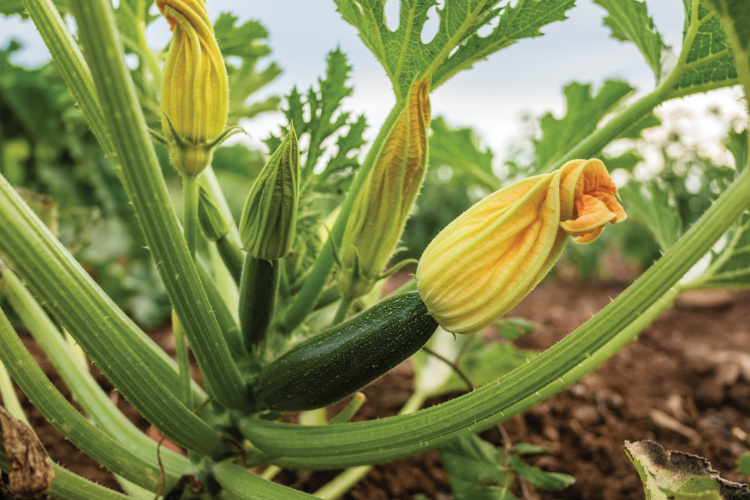
Q: Why do my squash plants flower, then fail to produce fruit?
A: It sounds like a lack of insects, especially bees, moving the pollen from the male blossoms to the female blossoms. Without being fertilized, the female flowers won’t develop the actual squash or fruit part of the plant. The solution is twofold. Refrain from using insecticides and start growing more pollinator plants to attract bees. Meanwhile, try collecting pollen from the male blossoms and spreading it on the tall central stalk inside the female flower.
See more: 4 Fresh Summer Recipes to Make with Your Backyard Harvest



Deer eat them in New York.