


What exactly will you find on Illinois family farms?
Here’s a little teaser: families, just like yours. That’s because families own and operate 96% of farms in Illinois. Yes – 96%.
If you thought it was just faceless corporations “managing” these fields and animals from afar, you might be pleasantly surprised.
Nearly 70,000 families own and operate family farms in Illinois, growing versatile crops like soybeans, corn and wheat, plus important proteins and nutrient sources like pork, beef and dairy, and even specialty crops like pumpkins, apples, peaches and horseradish.
What these families grow and how they grow it might look different from farm to farm, but a common thread for most is it’s a family affair. That creates an inherently strong desire to do it in a way that their families – and yours – can be proud of.
Beginning this spring, more about these families and what they do to grow sustainable and healthy food will be shared giving you the chance to get to know these families better.
Have questions? They’ll answer them. Visit wearethe96.org to learn more.
See more: Local Farmers Still Manage Operations Even with Big Names in the Field
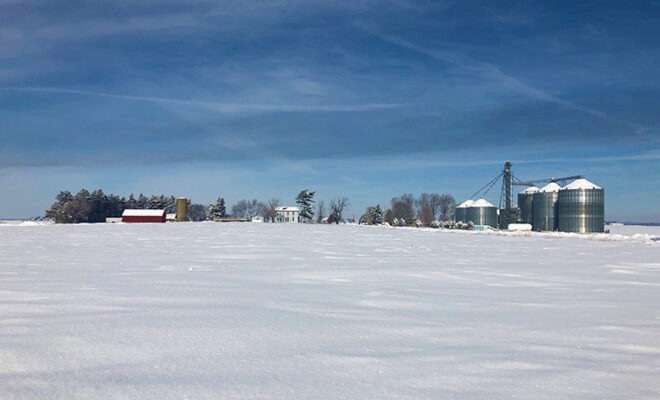
I am the 5th generation to own the Clark Farm located in Livingston County in Illinois. It was homesteaded in 1869 by my Great Grandparents Daniel and Harriet Clark. They came to the United States from Lincolnshire England. It is just an 80 acre farm but very productive each year producing 250 bu. to the acre corn one year and rotating to 75 bushel Soybeans the next. I cash rent the land and have been retired and living along the Gulf Coast of Alabama for 25 years. Farming is now big business so different from when I grew up there. It was mostly what they call Organic farming back in the 1950’s and 1960’s. Great place to raise a family and I have many wonderful memories. We had horses to ride and raised some cattle and hogs and enjoyed 8 years of 4H and many county fairs showing livestock.
I raised my family on a family farm.it is long gone,but the memory remain.our kids remember it as hard work,and cold winters,and too much grass to cut.city kids loved to come over so they could jump in the hay lofts,and chase the chickens.but cool lazy summers were soon replaced by hard work in the fall.my greatest memory was seeing the yellow bus come over the hill and school days began.