In 2016, when sisters Kim Hansen and Kris Straub inherited the Stalhut family’s now 170-year-old farm, Tenderloin Farms, they did like generations before them: considered the best ways the land could be used to make a profit and nurture the land for future generations.
The family grew corn and soybeans on the bulk of the Edwardsville farm. But the sisters wanted to add an enterprise suited to a few of the nonproductive acres that would match their semiretired lifestyles and limited labor pool.
Hansen talked to Partners about the sisters’ work in making their lavender addition successful.
What is the history of the farm?
Our great-great-grandfather came to the United States from Germany and settled here in 1853. The farm began with crops, then dairy and evolved into a hog farm with our parents’ generation. That is where the farm’s name comes from, Tenderloin Farms. Every generation has done what they found was best for their time and the land.
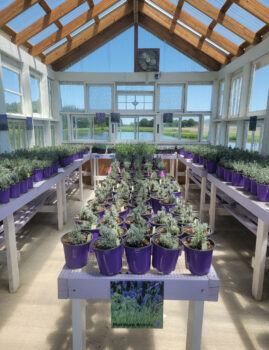
For us, that meant converting a portion of the 20-acre area that is part of our Illinois Centennial Farm purchased in 1917. It had been used for pasture and forest and could not grow row crops. After doing some research, we decided to plant lavender. It has become a labor of love and a business that will keep the farm going for our children.
We also are on the Route 66 Monarch Flyway, a 66-mile-wide path from Chicago to St. Louis used by monarch butterflies as they migrate to Mexico. We planted wildflowers and milkweed on the farm to support them along the way.
See more: The Buzz About Pollinators and Farming
Why did you choose lavender?
We did a lot of research in the beginning and came across an article about a farm in Pennsylvania that had similarly moved from hog production to lavender.
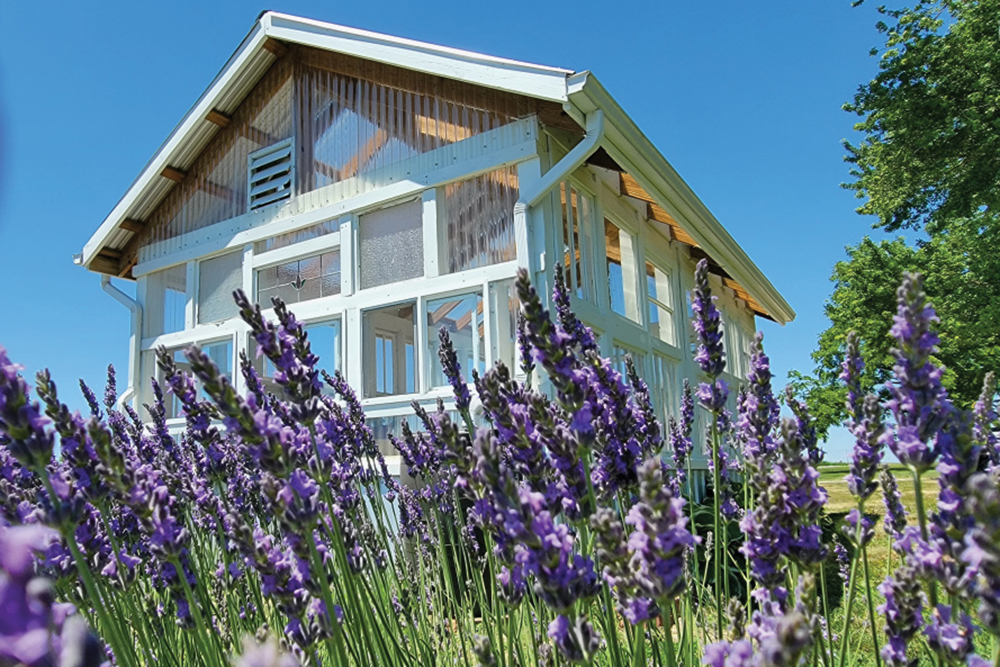
While lavender is not a crop that typically grows well in Illinois, we decided to give 100 plants a try and see how they performed. We have always been gardeners, and there are about 400 varieties to explore, so we had many options. We found varieties that withstand our humidity and survive our winters. Primary bloom time here is in June.
We are not hobby farmers, and this is not an easy enterprise. However, 20 acres is a size we can manage with our families. Our children help us plant, propagate and prune the bushes. We have great neighbors that allow us to borrow equipment as needed and a local dealer that helps us apply nutrients to the lavender.
In what ways do you engage with your community?
We started opening Tenderloin Farms to visitors in 2021. We now host between 4,000 and 5,000 visitors each year during June weekends. Many lavender varieties flower multiple times during the summer, so visitors can pick their own. We share with them our family history and give farm tours. We explain how we work the soil and manage water. We talk about agriculture in general and answer questions about how our cash crops are transported to the river for export.
See more: Q&A with Dennis Green a Farmer and Community Leader
How do you market your lavender?
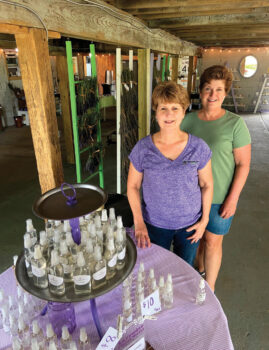
We renovated our barn to become a store for lavender and lavender products. We also sell lavender locally to restaurants and specialty food companies. We offer 25 to 30 products, including candles, shower steamers, bath bombs, soaps, eye and neck pillows, dried and fresh bundles, and buds used in cocktails, other drinks and foods. We sell at local farmers markets and through an online store and are a certified nursery, so we can sell the plants we propagate to the public.
This year, we will be open Friday through Sunday, June 2 to July 4, from 9 a.m. to 3 p.m. each day. For details, visit tfilavender.com or tenderloinfarms.com. Follow us on Facebook and Instagram using @TenderloinFarms for updates.
Learn more about Tenderloin Farms in this Partners podcast:
Listen to “‘Rogue and Radical’ Lavender Ladies” on Spreaker.