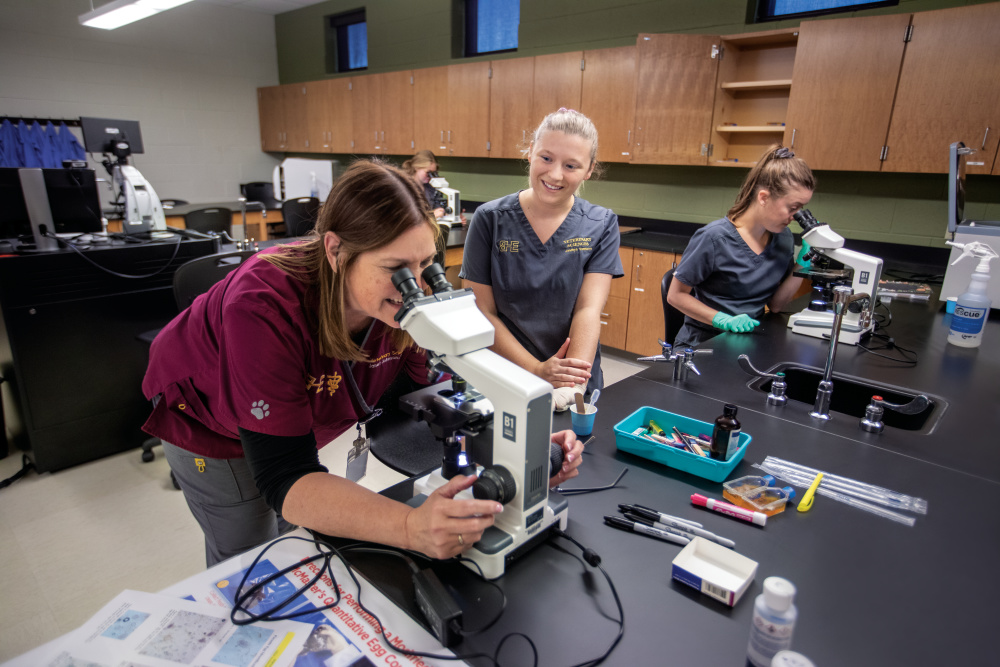
Whether raised on a farm or not connecting with agriculture until adulthood, graduates of several Illinois community colleges have found successful – and sometimes unexpected – careers in the ag world.
A Stable Career
Kindra Callahan grew up on a family farm, helping with grain production, baling hay, raising animals and showing horses.
“I don’t ever remember a time that I didn’t plan on working in agriculture, specifically animal science,” the Cambridge native says. “I thought I would be a veterinarian.”
She enrolled at Black Hawk College East (BHC) south of Kewanee, competing on the national champion horse judging team.
“That travel experience really started the wheels turning in my mind at how big the ag industry is,” Callahan recalls.
At BHC, she served as the Board of Trustees student representative, and they named her Outstanding Agriculture Student the same year she received an associate’s degree.
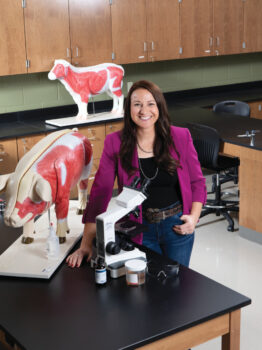
Transferring to Kansas State University (KSU), she competed with the American Quarter Horse Association champion team. She credits the personalized attention from BHC faculty, her student trustee experience and horse judging activities with setting her up for success at KSU.
“Black Hawk not only prepared me that I could ‘be somebody’ at K-State, but to know that shouldn’t be an anomaly,” Callahan says.
After graduation, she took a lucrative position in feed sales with Land O’Lakes Purina, traveling frequently to serve customers in the upper Midwest. When a traumatic auto accident left her “feeling lucky to wake up the next morning,” she reassessed her priorities.
“I remember asking myself, ‘What am I really doing with my days?’” she recalls.
Years before the accident, a favorite teacher had suggested Callahan become an ag educator. She knew the career change would result in a cut in salary. Nevertheless, she felt a calling, and in 2018, she became the agriculture education teacher and FFA advisor at Kewanee High School (KHS).
In just a few years, Callahan has won numerous awards, including the Illinois State Winner for the Teachers Turn the Key Award, a Top 5 Agriculture Educator in Illinois and BHC Outstanding Alumna. The Kewanee FFA chapter was named a finalist for the National Chapter Award, a complete turnaround from Callahan’s first year at KHS. “I couldn’t pay a kid to wear an FFA shirt,” she jokes.
Although less than 2% of Callahan’s students come from a production agriculture background, they learn quickly, in part thanks to the 11-acre KHS farm located on school property. Students make all management decisions and do all the chores required to run the farm, which includes crops, a greenhouse, garden beds and facilities to house animals.
“That’s unique to what we do here,” Callahan says.
See more: AGNITOR Strives to Spark Interest in Ag Careers
Small Town, Big Impact
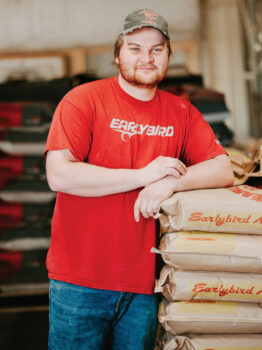
In contrast to Callahan, a majority of community college ag students do not grow up on farms. Justin Coker didn’t either. He enrolled at Illinois Central College (ICC) to become a respiratory therapist but realized that wasn’t a good fit. The Metamora native worked part time at the Goodfield facility of Earlybird, an animal feed manufacturer, since high school graduation.
“I had that exposure to agriculture when I switched programs at ICC, but I never realized there were so many different paths for a career in ag,” Coker says.
At ICC, he earned an associate of arts degree in agriculture before transferring to Illinois State University, where he received a bachelor’s degree in agriculture business and management. He now manages the feed mill in the animal nutrition department at Earlybird.
“I’m in charge of all production,” Coker explains. “We are pushing out close to 50 tons of animal feed every day. Considering the number of customers we reach and the freight we send out to 16 states, it’s impressive to think of what we do here in the small town of Goodfield, Illinois.”
Growing Educational Opportunities
In response to the shortage of skilled workers in agriculture-related industries, ICC and other schools have expanded their ag programs, and federal funding helps support these efforts.
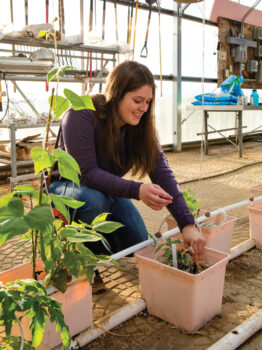
The U.S. Department of Agriculture recently awarded ICC and other members of the Community College Alliance for Agriculture Advancement the first-ever community college research grant from the Natural Resources Conservation Service. ICC’s Demonstration Farm in Peoria includes a constructed wetland that captures drainage from the farm’s fields to naturally remove excess nutrients. Students will test water runoff as part of the research grant.
Meanwhile, Heartland Community College is constructing a $23.4 million ag complex on its campus in Normal. McLean County Farm Bureau pledged $2 million for the facility, which will include space for animals and drones, as well as labs for plants, soil and precision ag.
These and other initiatives expose students to a variety of educational experiences. From hands-on practices at college demonstration farms, internships at local employers and tests of their knowledge in national skills competitions, community college students prepare for jobs as soil and plant scientists, agronomists, precision ag technicians, farmers and ag teachers, and roles in ag business, animal science and production, ag communications and other agricultural fields.
See more: Chicago School Gardens Leader Grows Food and More (VIDEO)
Laying the Groundwork
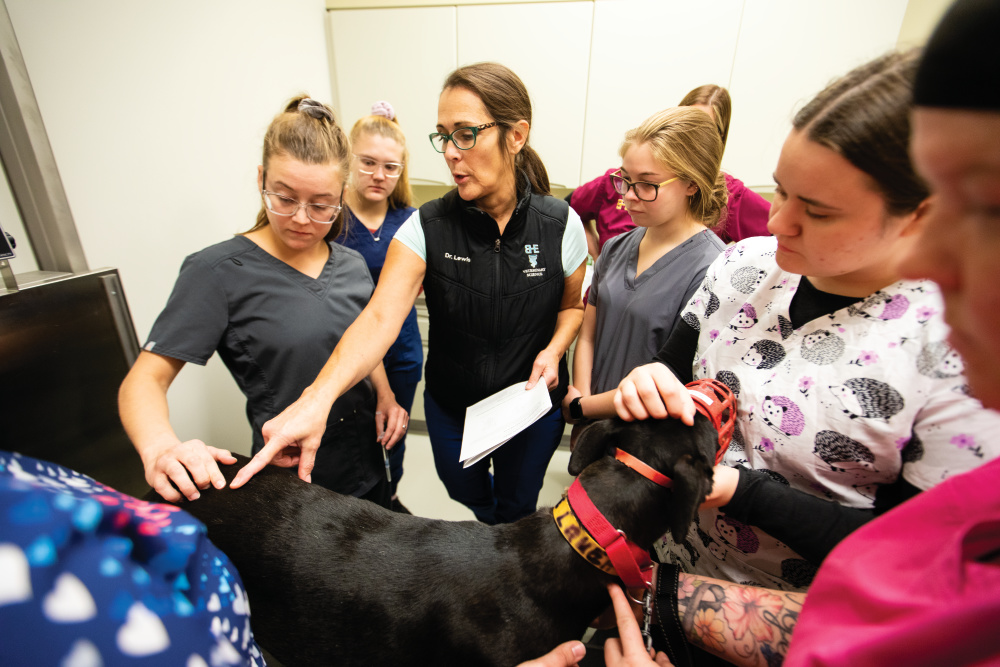
Back at KHS, a new $3 million ag complex also recently opened. Dual credit courses allow students to earn both high school and college credits simultaneously. A KHS course also serves as an introduction to BHC’s popular vet tech program. Veterinary science judging team just won top honors at the recent North American Colleges and Teachers of Agriculture national judging conference, in addition to other BHC programs.
“We took 35 students to the conference, where they competed in program areas from soil science, animal science, equine and our vet tech program,” explains Andrew Larson, a 23-year faculty member at BHC. “We do some things that are maybe a little different from other schools.”
An agronomist, Larson coaches its award-winning national soil judging team.
He says the growing BHC ag program has invested in faculty, facilities and programs in recent years.
“Our goal is to keep growing,” Larson says.
Careers in Agriculture: This is the second of a four-part Careers in Agriculture series. Read the first part: Illinois Educational Programs Connect Students to Food and Agriculture Careers.