Strong production capacity, a robust supply chain and an extensive network of food-processing facilities have long made Illinois a leader in food and agriculture. But Illinois businesses continue to need help attracting a diverse and skilled workforce to support this large agriculture economy.
Illinois Farm Bureau and other groups created the Illinois Agri-Food Alliance (ILAFA), in part, to address this problem and others. The coalition brings diverse representation together to explore collective needs that will ultimately support the agri-food ecosystem in the state, according to Tyler Strom, ILAFA managing director.
Strom says more than 250 stakeholders first converged in 2014 to highlight key areas of need in Illinois agriculture. The resulting Food and Agriculture Road Map for Illinois (FARM Illinois) served as a strategic plan focusing on several topics including workforce development.
He says the challenge stems largely from a problem with perception and awareness, especially when it comes to high school students.
“They are not choosing food and agriculture as a viable career path post-graduation because they’re just not aware of those career opportunities,” Strom says. “Ask high school students today about working in the food and agriculture industry, and they don’t believe there is a career opportunity for them there. We have to dispel that myth. There is a wealth of opportunity here, especially in Illinois. We just need to expose them to it.”
See more: Ingredion Provides the Key Ingredients for Chicagoland Educators’ Ag Lessons
Working Together
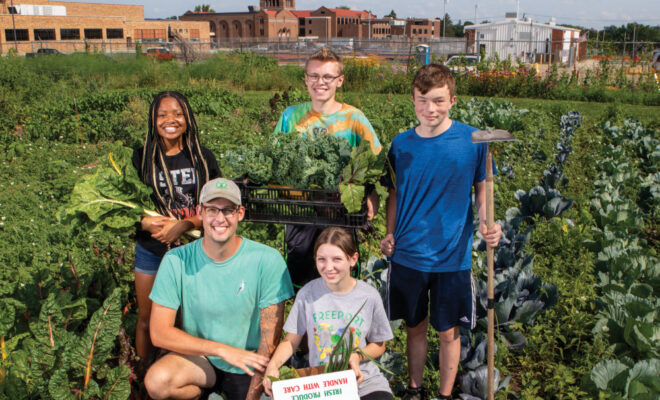
ILAFA hopes to identify people to join the Illinois food and agriculture sector by establishing partnerships with existing organizations, such as the Urban Growers Collective (UGC) and its Green Era Campus in the Chicago area.
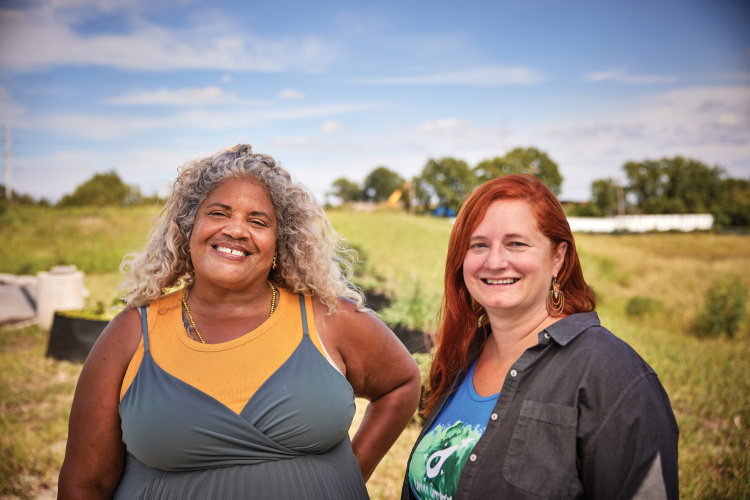
Co-founder Erika Allen says UGC began with the goal of addressing inequities and structural racism by using urban agriculture as a method to cultivate nourishing environments that support optimal health, economic development and healing through creativity on the farm. Youth educational programs are a large part of that effort.
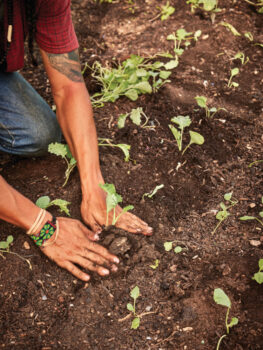
“We train about 180 teens every year,” Allen says. “We have a really high retention rate in our program. Teens are paid a stipend for participation. They have an inquiry-based STEAM (science, technology, engineering, art and math) curriculum that we use.”
The not-for-profit organization works with the After School Matters program and the Chicago Public Schools to connect young people with enrichment opportunities through their educational programs.
“Youth internships and interventions are where I started, creating summer employment programming and being able to educate and engage young people to grow food in their environment at the neighborhood level,” Allen says. “Food access and sovereignty act as a bridge to an entrepreneurial education experience, but also as a way to build leadership.”
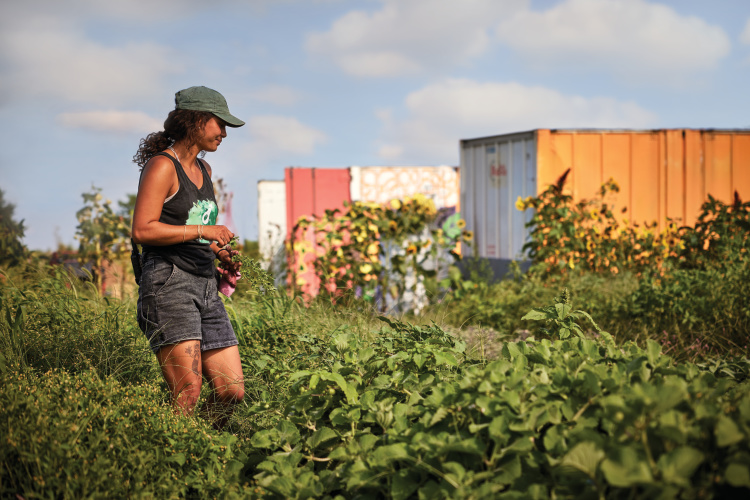
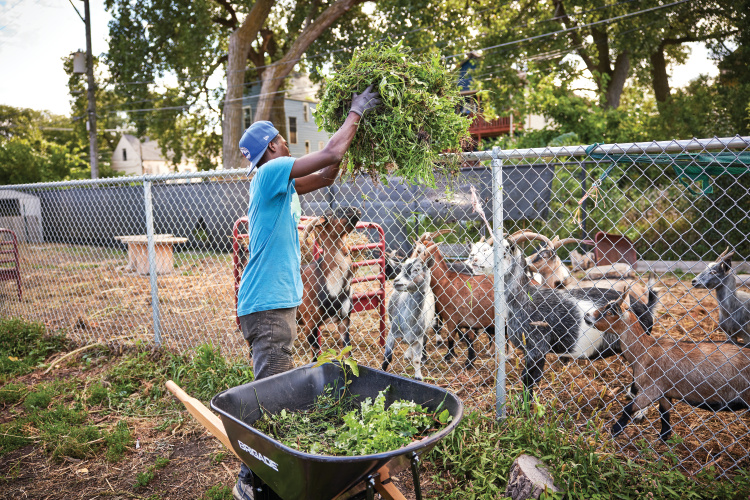
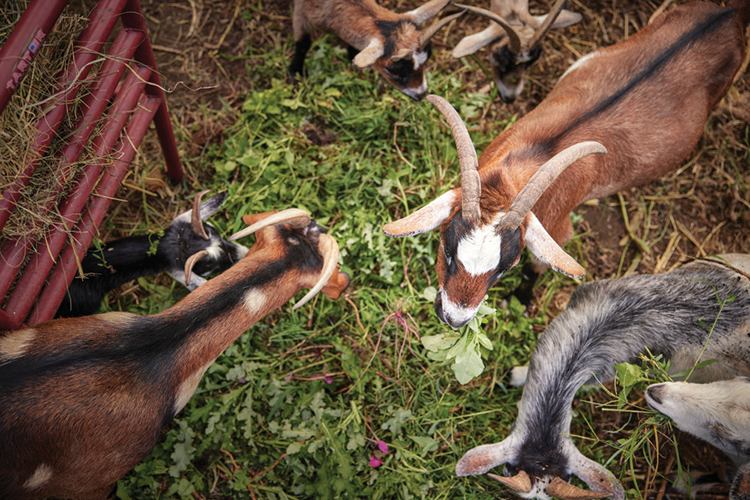
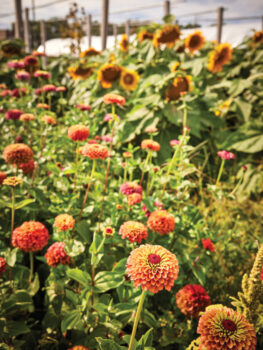
From community gardens to what Allen calls “collectively” supported agriculture subscriptions (CSAs) and even a farmers market on wheels, UGC creates opportunities within the urban food and agriculture system. Participants at urban farm locations use hoop houses to grow produce year-round, raise livestock like goats and chickens, and nurture worms and bees.
A Central Hub
One of the newer UGC developments, the Green Era Campus sits on 9 acres in Chicago’s Auburn Gresham neighborhood. The campus includes an anaerobic digester, an environmentally friendly system in which microorganisms digest organic waste, and a future vertical farm for growing produce.
“We will be providing retail space for folks to come and purchase produce and prepared food, plus a commercial kitchen to support emerging food entrepreneurs, with a focus on young adult innovators,” Allen says. “All of those pieces that we’ve been doing for years will have a central location on an integrated campus with brick-and-mortar facility investment in our community.”
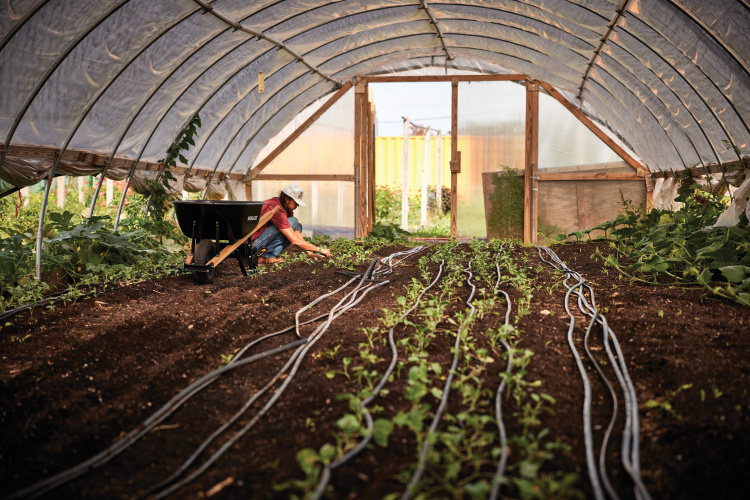
The Green Era Campus will serve as a central hub for the UGC’s eight other urban farms and support the many collective partner projects, which are generally located on Chicago’s South Side. Strom says it is a perfect example of the diverse opportunities available in the food and agriculture sector.
“Green Era has quickly become a state-of-the-art facility for taking scrap waste and converting it into energy, as well as having additional byproduct utilization for farmer use,” says Strom, who called the site a model that all students in Illinois and across the United States should be learning about. “It is creating this cyclical system, and there are a number of different types of job and career opportunities that are going to be available there.”
Virtual Engagement
“We have to make students aware that Illinois is a really unique place when it comes to food and agriculture,” Strom says. “We are very innovative, and we are on the cutting edge of developing new types of technologies and facilities and models that are really leading the future direction of where our food system is going.”
Strom described another tool that ILAFA’s network of workforce partners is supporting to help accomplish that goal. Students and educators can access the tool, called AGNITOR, through a nationally built digital platform known as Pathful. This virtual environment connects industry professionals with schools to talk about careers and highlight the breadth of opportunities in food and agriculture.
The ILAFA also has a careers coordinator based in Chicago who serves as a conduit to build stronger relationships between the agriculture sector and education, with the hope of getting more agri-food career awareness in front of students.
For more information about the Illinois Agri-Food Alliance and AGNITOR, visit ilagrifood.org.