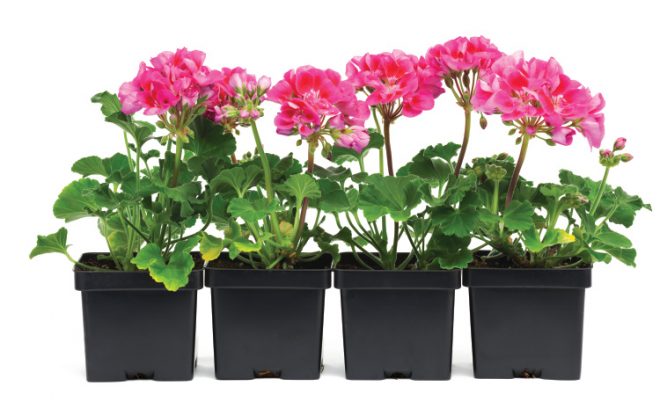
Beginning gardeners often start out with a houseplant followed by growing annuals outside in the summer, showcasing an array of color throughout the season. Or perhaps after the preplanted pots start piling up in the garage, you decide to just buy the plants and reuse those containers. Also, compared to other plants, annuals cost little.
Eventually, gardeners want more of a challenge and step up to perennials, perhaps erroneously thinking they require less work than annuals since you plant them once, and that’s the end. True, the top growth dies back every winter, with the roots remaining viable to push up new growth the next growing season. However, the surprise comes with the amount of care perennials require.
The usual maintenance of weeding and watering apply, as well as deadheading spent blooms to stimulate the production of new flowers. Some need protection in winter, while others require dividing as often as every three years. Finally, unlike most annuals, they don’t bloom all summer, sticking to a predetermined flower time.
So, why bother? Perennials are worth it because of their amazing variety in size, leaf color and shape, flower color and shape, and growing habit – often found within the same genus – that provide your garden with beautiful staples.
See more: Multiply Your Plants to Expand Your Garden
A Successful Start
There are several starter perennials proven successful if planted at the right time of year. Plus, these varieties help keep your garden looking beautiful throughout the planting season.
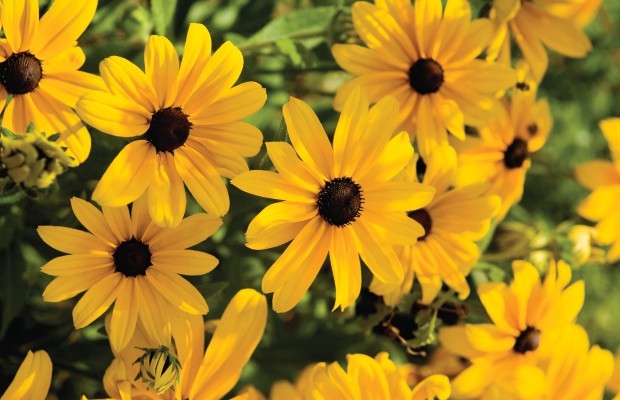
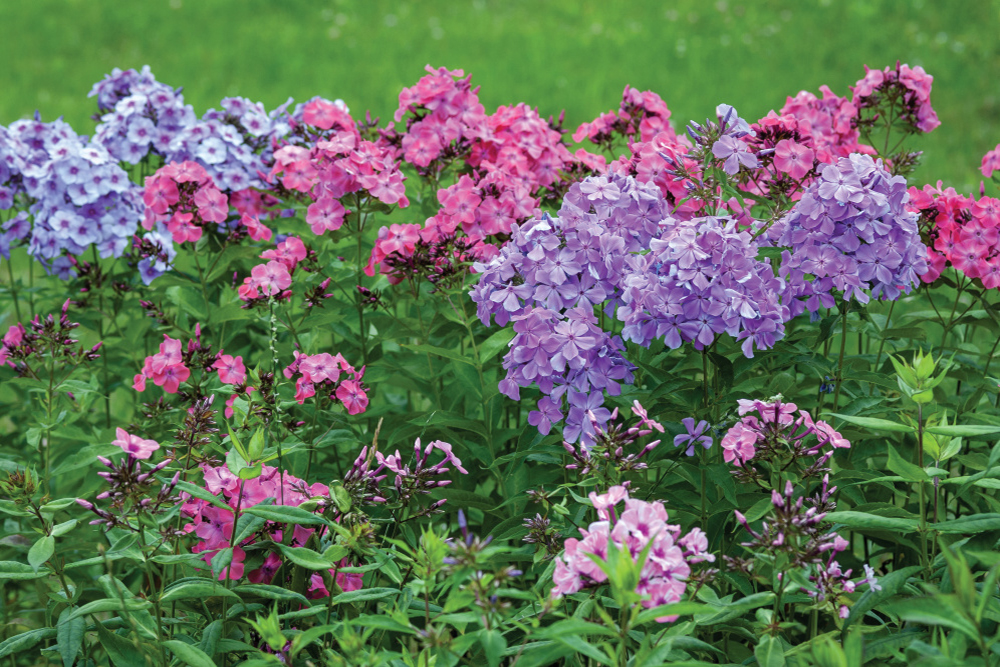
Spring and early summer are great for candytuft (Iberis), a groundcover, and perennial sage (Salvia officinalis). Summer is also great for phlox (Phlox paniculate), also known as garden phlox. If kept watered, it blooms from midsummer to frost. It’s also a good time of year for the Rudbeckia variety, another long bloomer with many plant heights. Give both of these perennials space because they spread out from the base, adding more plants each year. Rudbeckia also spreads from seeds.
In late summer to mid-fall, Autumn Joy Sedum (Sedum spectabile) and goldenrod (Solidago) are successful options. The color salmon graces the flat, umbrel blooms of Autumn Joy, a color not often found in flowers but perfect for fall. Goldenrod attracts blue-winged wasps whose larvae devour Japanese beetle larvae underground. Don’t confuse goldenrod – often falsely mistaken for causing allergies – with ragweed, the real culprit.
Finally, all these suggestions grow best in full sun. Save the plant tags that come with your perennials. At some point, you will need to know the exact variety to look up the best time for dividing.
Once comfortable growing perennials, you might start to specialize, growing only pollinator-friendly plants, using a color theme or specializing in your favorite genus.
Farm
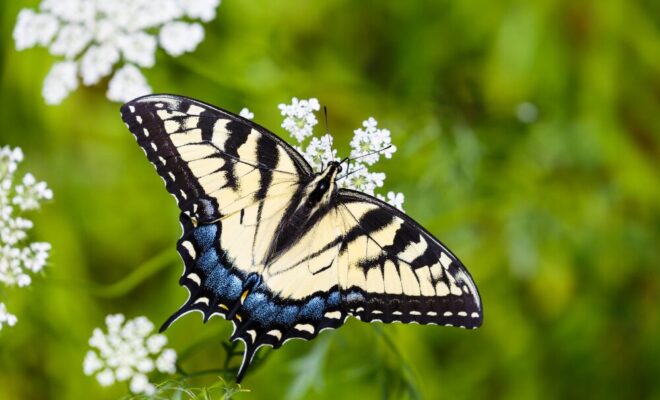
Learn How Different Flowers Attract Diverse Pollinators
Most of us grow flowers for their beauty, color and scent, but what you plant can be more than pretty, it can help attract pollinators.Ask the Expert
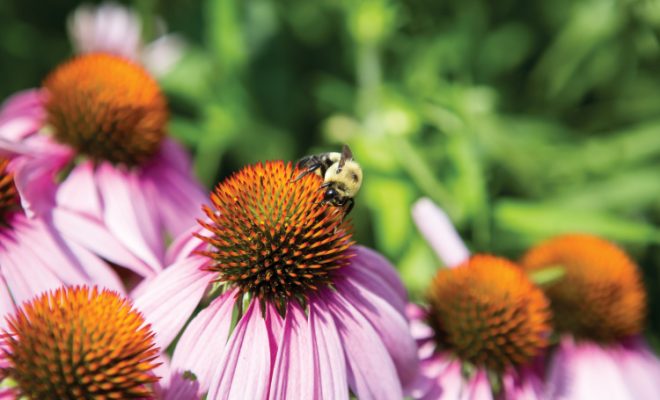
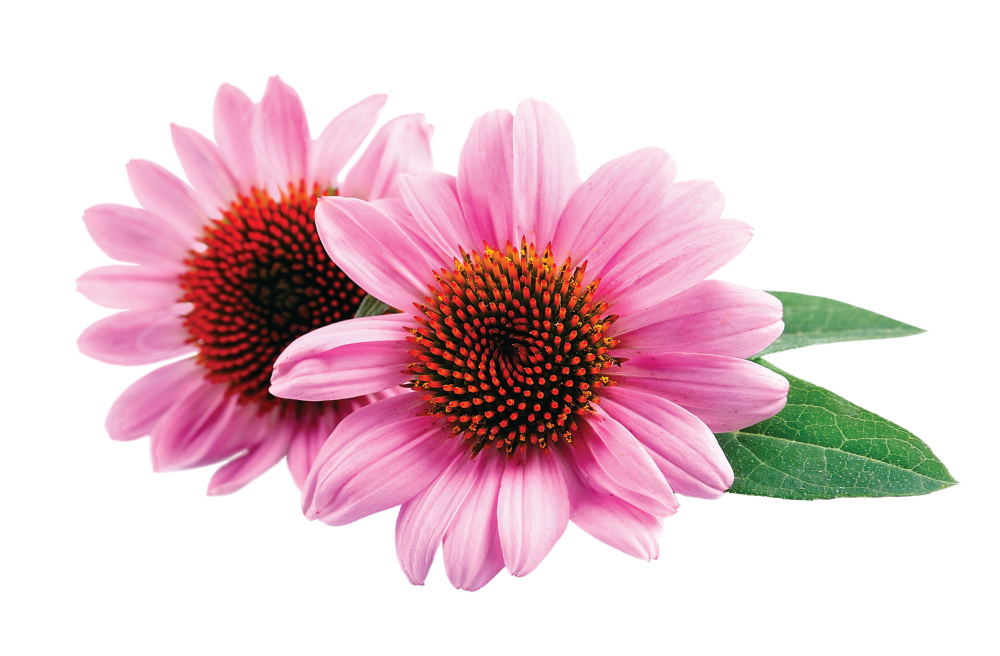
Q. I tried to grow coneflower last summer. It struggled along but eventually died. I really want to grow them for the goldfinch pair that comes to my birdbath. Any suggestions?
A. Coneflower (Echinacea purpurea) is a tough plant once established. A coneflower with a deep root system will survive in any soil except heavy clay. However, it takes a year to grow the roots deep enough. Last year, Illinois had a very dry June, with dry weather returning in August and September. Try again this year, growing it in full sun and providing supplemental water during dry spells. I predict success.
About the Author: Jan Phipps is a University of Illinois Extension Master Gardener. She gardens, writes and podcasts near Chrisman.