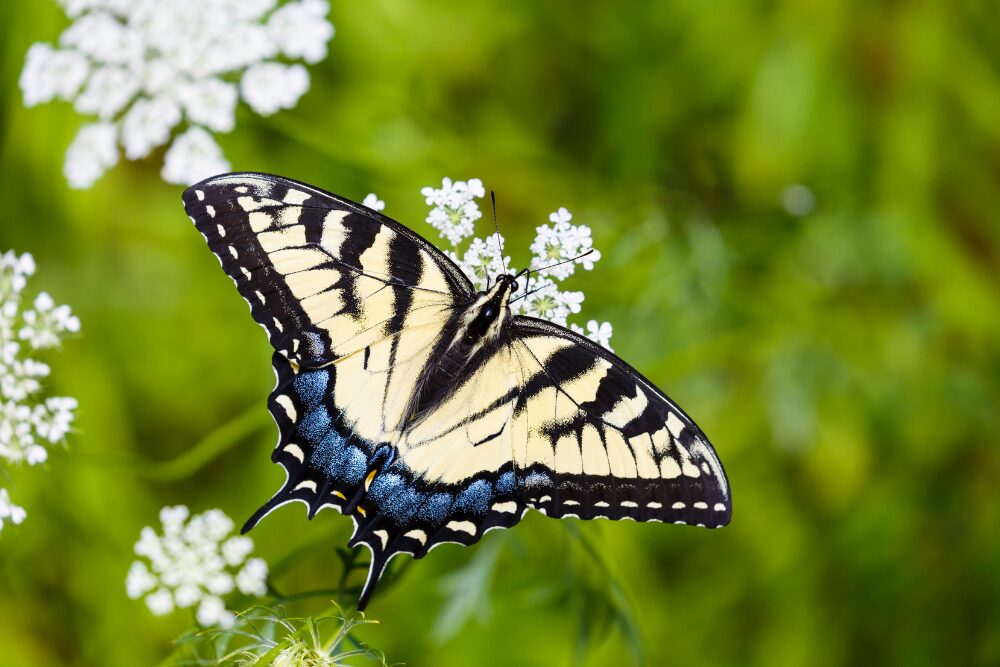
Most of us grow flowers for their beauty, color and scent. However, they evolve to attract specific pollinators to the benefit of both flora and fauna. Insects and birds receive a sweet meal of nectar while the plant distributes its pollen, thus ensuring the continuation of its species.
See more: Expect the Unexpected: Things New Gardeners Should Know
Shape Matters
Tony Avent, a noted horticulturist, wrote an article in Garden Gate magazine many years ago describing how the shape of a flower attracts specific pollinators.
Picture the columbine flower with nectar spurs extending from the petal base. The spur length determines which pollinator it attracts: bees, hummingbirds or hawkmoths. Each species of columbine varies in spur length, appealing to a different insect or bird.
The hooded spathes of Jack-in-the-pulpit use a false fungus odor to attract fungus gnats. Cleverly, when young, the plants include an escape hatch, allowing the pollen-laden gnats to escape to visit other plants. Later, the hatch disappears, trapping the gnats and the pollen they carry inside for fertilization.
Butterflies enjoy somewhere to land when feeding. Visualize the flat round umbels of yarrow, Queen Anne’s lace and butterfly weed. Many tiny individual nectar-laden flowers comprise each umbel, tempting bees, flies and butterflies.
See more: Round Robin: A Gardener’s Continuing Battle to Discourage Nesting in Hanging Baskets
Budding Attraction
Some plants adapted showy stamens that stick up above the flower petals. Waving in the breeze, they alert insects to land for a snack. Crawling to the bloom’s center to get to the nectar, they pick up pollen from the stamens. Clematis, Japanese anemone and hellebore utilize this method.
Tubular plants evolved to attract long-tongued bird species, like hummingbirds. Still, other tubular flowers use scent to lure night-flyers. The scent of honeysuckle attracts night-flying hawkmoths, while penstemon and aptly named butterfly bush (Buddleia) appeal to hummingbirds and butterflies during the day.
The carnivorous plants – such as the pitcher plant, Venus flytrap and voodoo lily – employ flowers and odors to attract pollinators, who then turn into prey. Insects notice the flowers standing above the plant, or perhaps the odor attracts them. They land and slide down the slippery-sided tube, hopefully, covered in pollen and become trapped inside.
Take a stroll through your yard, noticing flower shapes and attractors. If you discover the absence of some of the shapes described, keep those in mind on your next trip to the garden center.
See more: How You Can Support Illinois Pollinators
Ask the Expert
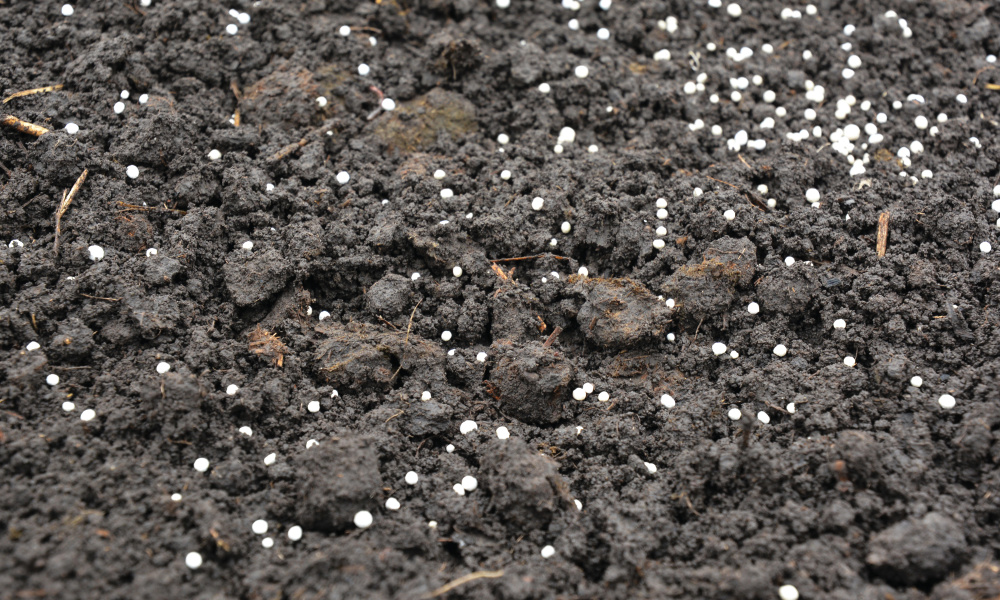
Q: When preparing my pots for planting, I noticed some time-release fertilizer from last year. Could it still be active?
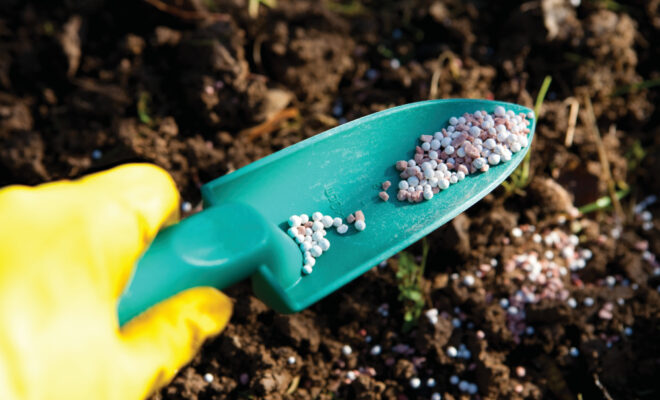
A: No, not if it was in the potting soil for the entirety of the previous growing season. Time-release fertilizer comes in small capsules that slowly release fertilizer in response to moisture. What you see are the empty, spent capsules left over from last year. Full capsules, which are opaque and solid, won’t float when watered. Spent capsules, which are translucent, float to the surface. Either pick them off or work them down into the damp soil where they eventually dissolve.
About the Author: Jan Phipps is a University of Illinois Extension Master Gardener. She gardens, writes and podcasts near Chrisman.