Over time, gardeners learn the unexpected happens and to stop blaming themselves for mostly natural occurrences out of their control. Hopefully these tips for new gardeners will help prepare for some of the surprises and prevent future casualties.
Wily Weeds
New weeds appear after every single rain. Yes, even on mulched ground. Not near as many, but those wily weeds find a way. The solution: Check gardens a few days after every rain and pull the weeds while they are small and the soil is still moist.
See more: Rooted Bird Feeders Allow Mother Nature to Take Over Filling the Bird Feeder
Casualty Causes
Like all living organisms, plants die. And they might die before their time. Sometimes, the environment causes this, with temperatures and rain amounts varying from season to season. Other times, the gardener plants the wrong plant in the wrong place. Or it can even be for no discernible reason. Of course, a reason exists, and if you discover the cause, future prevention means success next time you grow that same plant. Look for signs, like overwatering, diseases or amount of sunlight to help you identify the issue and prevent it in the future.
Unwelcome Guests
Nice gardens invite and indeed draw not-so-nice wildlife. To modify an old adage: “Plant it, and they will come.” If we house-dwellers love plants, think how much more those beings who live outside love and need nature. Once the sun sets, wildlife becomes active. I often think if I could turn on the sun at night like a light switch, my nighttime yard would teem with skunks, raccoons, moles, voles, ground squirrels, squirrels, rabbits, deer, opossums, groundhogs and perhaps a coyote or two, hunting all the above. Pets – digging dogs and cats – do a lot of damage as well.
Destruction happens mostly by wildlife but also by insects. Everything looks picture perfect, and then the Japanese beetles emerge, munching their way through the foliage and occasionally blooms of many ornamentals.
We all know the importance of planting for pollinators, butterflies included. To get swallowtail butterflies, we plant parsley only to discover it’s for the larval form to eat. The solution for this situation: Plant two or more plants – one for them to munch on and one for you to enjoy.
See more: Helpful Garden Gadgets
Mother Nature
The worst destruction? Wind. A storm comes through, and the tall plants bend at wrong-looking angles while the short plants lodge, often remaining so for the rest of summer. Consider this when placing your plants. If in pots, you can bring plants undercover when harsh storms appear in the forecast.
Watering Woes
Watering can be a relaxing and mind-freeing activity until August, when it becomes a hot and tedious chore. The solution? Choose plants wisely for your soil type and, of course, mulch.
Lots of factors detour the gardener, but if you ask any experienced gardener if it is worth it, you will get an unreserved “Yes!”
See more: Round Robin: A Gardener’s Continuing Battle to Discourage Nesting in Hanging Baskets
Ask the Expert
Q: I read too much fertilizer will “burn” plants. What does that mean?
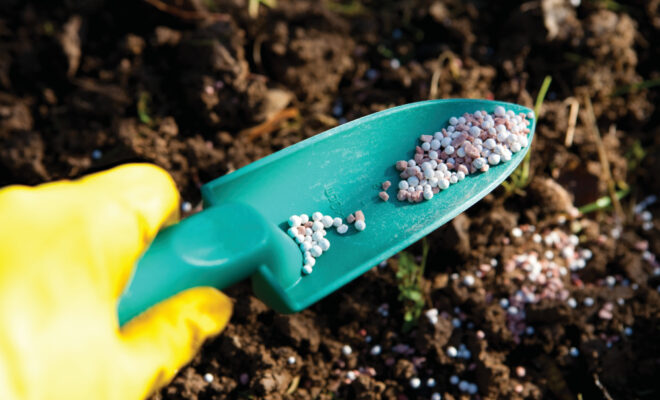
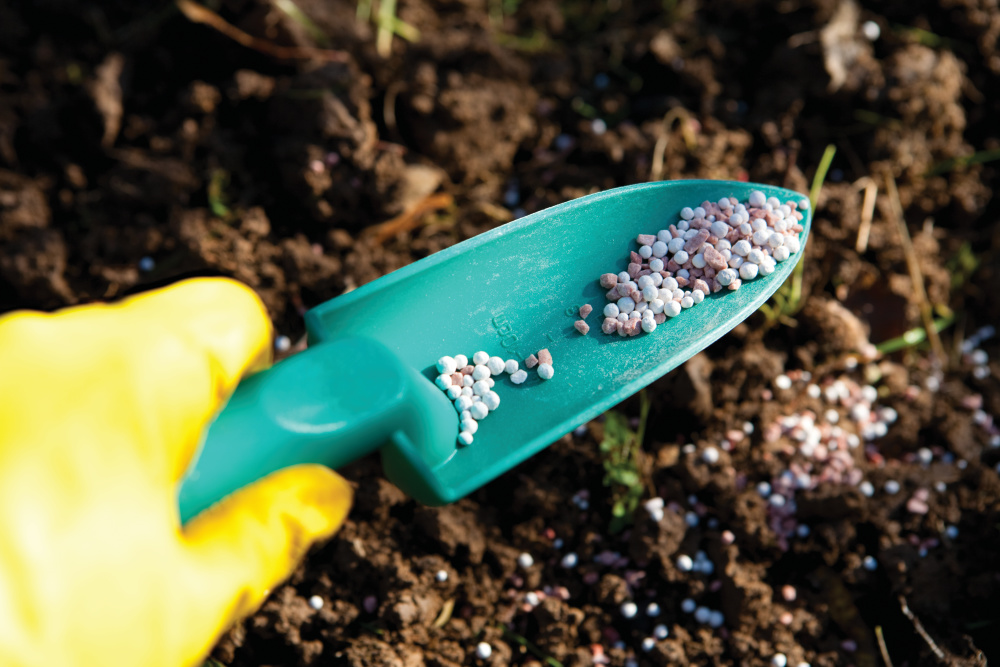
A: The word “burn” refers to the leaves turning brown and desiccated. Chemical fertilizers often contain salts. Too many salts impede the plant’s ability to move water from the roots to the canopy. Without water, the leaves dry out and turn brown. If this happens with a potted plant, flush water through the container, collecting the excess fertilized but now diluted water to use on other plants. For in-ground plants, flush the soil around the plant to dilute what is in the soil.
About the Author: Jan Phipps is a University of Illinois Extension Master Gardener. She gardens, writes and podcasts near Chrisman.