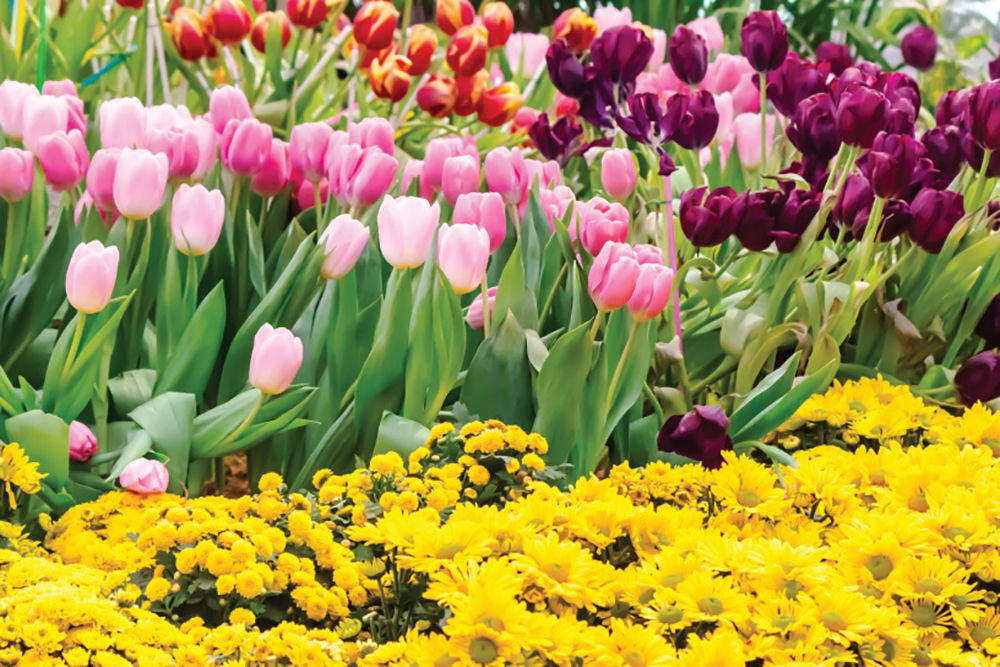
You, too, may have noticed it. Movie directors seem to know nothing about horticulture. They spend big bucks producing a film but have no one advising them about the floral backdrops. In fact, they hide some of the best scenery behind the actors. Admit it gardeners, you’ve silently yelled at the screen, “Move over, you’re blocking the view of that plant.”
That happens only when the plant is real. What about the made-for-TV movies with their preference for fake flora? You must have noticed the riot of color – natural and unnatural – lining the driveway, sidewalk and porch or surrounding the trees, all of it simultaneously in full bloom.
See more: Hostas on the Bluff Grows Many Different Types of Hostas (VIDEO)
Have you detected another tip-off? Showing all color and no foliage or stems. My all-time favorite goof showed a bank of real shrubs with fake flowers attached to the front in a perfect grid pattern. Even nongardeners know randomness rules in nature.
Don’t forget the out-of-season plants like daffodils blooming in high summer. And spring flowering plants blooming alongside those naturally growing in deep autumn. Tulips happily thriving next to chrysanthemums. Lilacs in all their purple glory surrounded by autumn joy sedum and goldenrod.
At least those plants appear in the same U.S. Department of Agriculture growing zones. Seeing tropical hibiscus and gardenias staged in a Chicago backyard when they thrive in Miami can ruin the whole plot. Or a Norfolk Island pine planted next to an Illinois cornfield? That’s about the time my hair bursts into flames.
The male lead runs a developing landscape business. During the movie, he works at different locations plying his trade. We watch as he erects mulch volcanoes around the base of trees. That is so wrong in so many ways. It’s late fall or winter, and he cheerfully prunes forsythia into a hedge. If the script writers did some research, they would discover he just cut off next year’s blooms and that forsythia, a standalone plant, is a bad candidate for a hedge.
I hope I haven’t ruined movie watching for you. It’s too late for me.
See more: Understanding Fairy Circles and the Myths Around Them
Ask the Expert
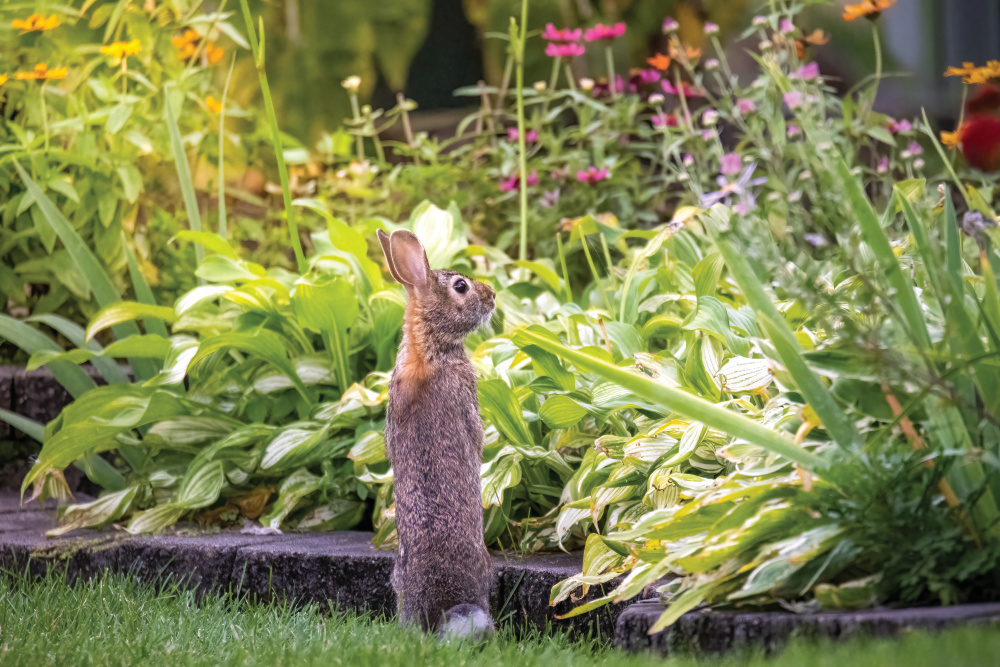
Q: Spring is coming, and with it rabbits and their destruction. For once, I want to win this yearly battle. Any suggestions?
A: I suggest a four-pronged approach. First, use barriers to protect seedlings until they grow some height and toughness. Second, encourage the white clover in your lawn to flourish so they fill up on it. Third, use commercial rabbit repellent products, carefully following the directions. Fourth, plant rabbit-resistant plants. Do an internet search for candidates, focusing on .edu sites that won’t try to sell you anything. Gardeners everywhere wish you success.
About the Author: Jan Phipps is a University of Illinois Extension Master Gardener. She gardens, writes and podcasts near Chrisman.
See more: Planting for the Future: A Perennials Guide for Beginning Gardeners