After farmer Lucas Roney spends the fall season gathering crops, he likes seeing his fields literally greening up with new growth as he parks harvesting equipment in the shed.
“As farmers, we always like to see things growing,” says Roney, who grows corn and soybeans with his family in Moultrie County. “Whenever you can look out there in the winter and see there are plants growing in the field, it makes you feel good about what you are doing. You feel like you’re keeping the soil alive.”
They’ve Got It Covered
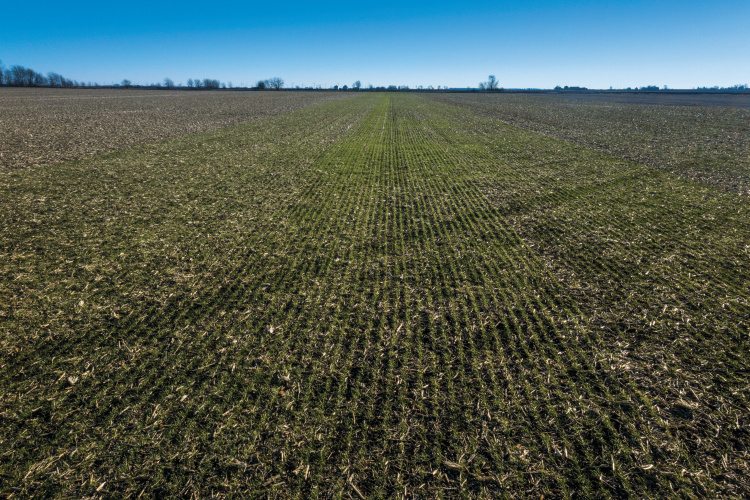
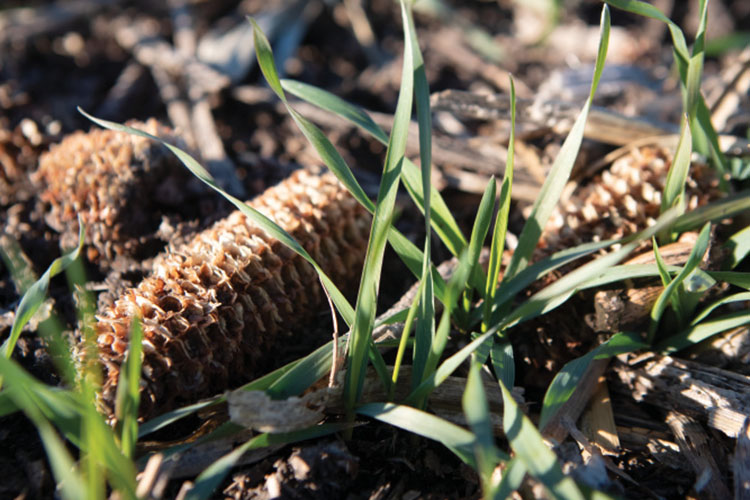
Throughout the Illinois landscape, more and more farmers have adopted the use of cover crops, a ground cover planted but not harvested in the traditional sense. Instead, a cover crop’s job is to hold soil in place, keep the soil active, store nutrients, retain moisture and improve the soil structure. (Some cover crops are harvested for forage, such as oats and turnips used for feeding cattle.)
Environmental benefits abound, including reduction of both soil erosion and nutrient loss into rivers and streams. By spring, farmers terminate the cover crop and plant corn and soybeans directly into the residual blanket that naturally gives yield-robbing weeds less space to grow.
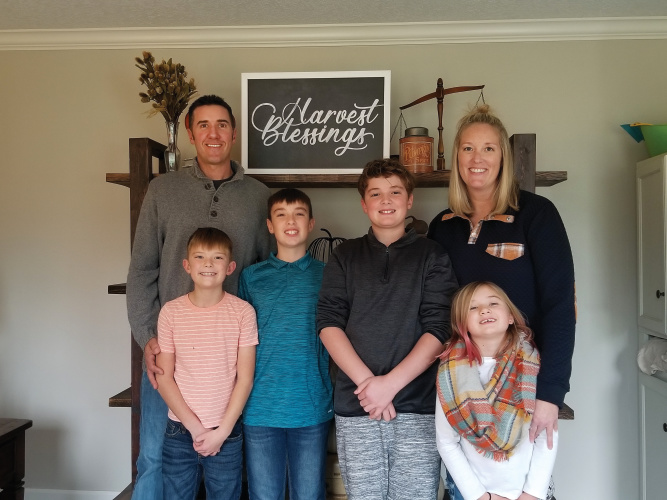
“As stewards of the land, we try to do everything we can to make sure that the environment is minimally impacted by what we do,” says Roney, a fourth-generation farmer, father of four and a director on the Moultrie County Farm Bureau board. “I want to make sure the land is as good or better than what we started with and make sure it is there for our next generation. I think cover crops is one of the best ways to help ensure that.”
See more: How Climate-Smart Farming Practices Help the Planet
An Unharvested Benefit

An early adopter of cover crops, Livingston County farmer Matt Boucher remembers neighbors asking if he was growing hay or planned to harvest a field of rye before planting it to soybeans.
Instead, he planted right into the green cover on his field, contrary to the most popular practice of planting into a field considered “clean,” or free of growth. Today, his farm primarily uses a drill to sow cover crops on about 70% of the family’s farmland. He also has hired aerial application, which involves showering cover crop seed above standing corn or soybeans just before fall harvest to grow by late fall. Sometimes, fertilizer-spreading trucks have broadcasted cover crop seed across a harvested field.
Boucher’s most common cover crop choices include annual rye, cereal rye, buckwheat or radish (not the type for eating, rather a deep-rooted variety that breaks up compacted soil).
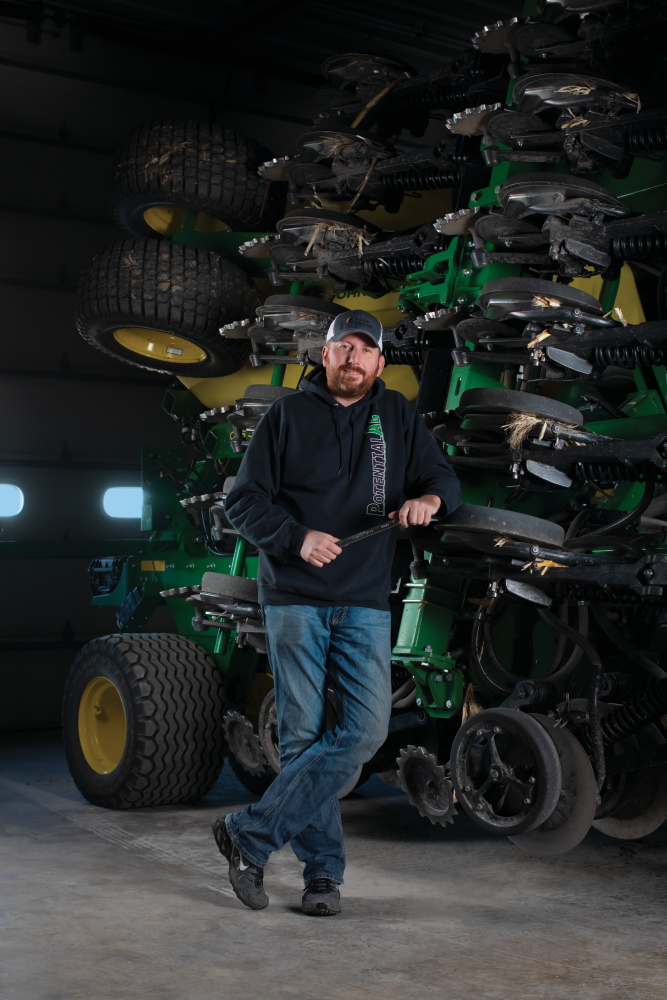
“We’ve gone from a straight single product to 12- to 15-way mixes of cover crop varieties, and we’ve seen good results in both their various situations,” says Boucher, who grows corn, soybeans and wheat with his family.
Boucher doesn’t measure the results of cover crops in bushels or the boost to his corn and soybean production. Instead, his family sets environmental goals for the cover crops to accomplish, such as reduced erosion, weed control, nitrogen naturally produced from a legume cover crop or even “tillage.” He finds that cover crops and their various root systems loosen the soil and produce a suitable seedbed without relying solely on means of mechanical tillage.
See more: Why Flexibility on the Farm Is Vital (VIDEO)
Barriers to Adoption
Cover crop adopters recognize the investment in management, time and expense creates the largest barrier to wider adoption.
Namely, cover crops do not generate income for farmers. Cash crops like corn and soybeans do, and farmers fear risking the profitability that puts food on their tables.
“We are putting something out in the field that isn’t going to be harvested, that we are not necessarily going to get a direct financial result from year one,” Boucher says. “It can be a challenge for some farmers to see the return on their investment.”
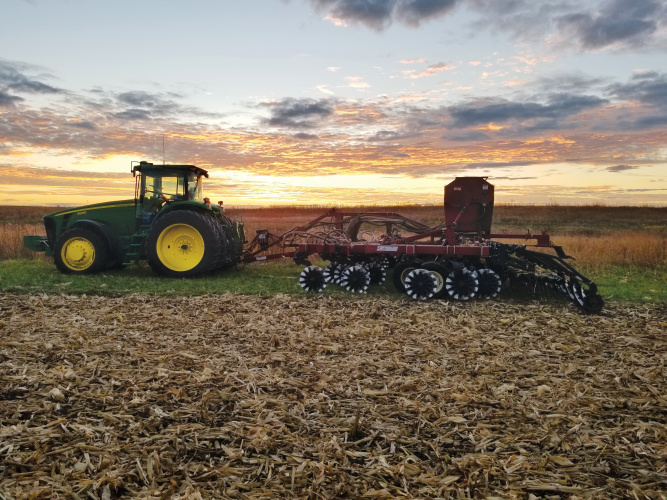
After about seven years of cover crops, his family now sees improvements in the soil structure. Boucher shares these results and cover crop tips on the farm’s Facebook page and through the family’s seed company, Potential Ag. In addition to corn and soybean seed, Boucher also sells seed for cover crops and works with farmer customers who want to learn more about this trending conservation practice.
Roney’s cover crop practices are enrolled in the Conservation Stewardship Program, a U.S. Department of Agriculture initiative that helps with its costs. He also provides updates on his cover crops in reports for the Illinois Farm Bureau CropWatchers® 2.0 program on FarmWeekNow.com, which provides farmers statewide with internet-based regional crop updates during the growing season.
“I really think there is going to be increased adoption in cover crops,” Roney says.
See more: Land: A Farmer’s Most Important Relationship With Mother Nature