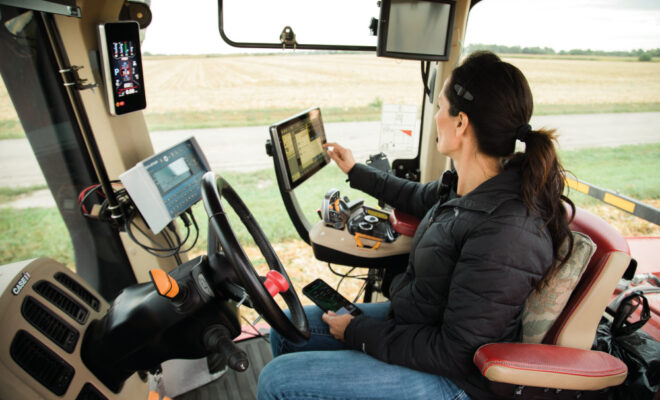
I remember when the first yield monitor arrived on the farm in the 1990s. The black metal box with push-button controls collected and displayed instant production data from the cab of the combine, the machine that harvests corn and soybeans on our farm. The device seems clunky now, but we basically had a tractor with a computer in it. That was a big deal in an era when cellphones did nothing more than make calls from a bag attached to a car as a power source.
That monitor started a data-collecting revolution on the farm. Today, tablets and advanced touchscreen displays collect data about what we do with our equipment in the field within an inch of where we do it.
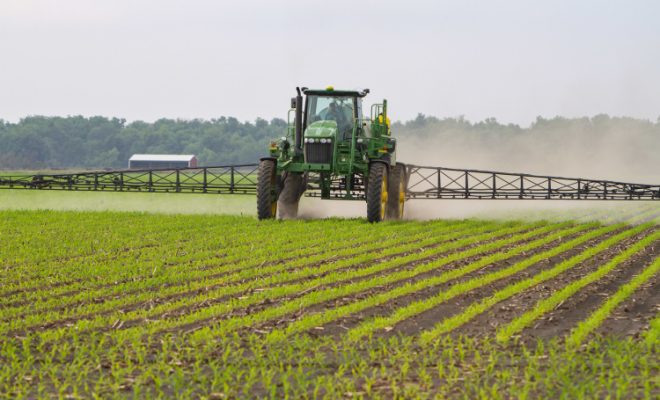
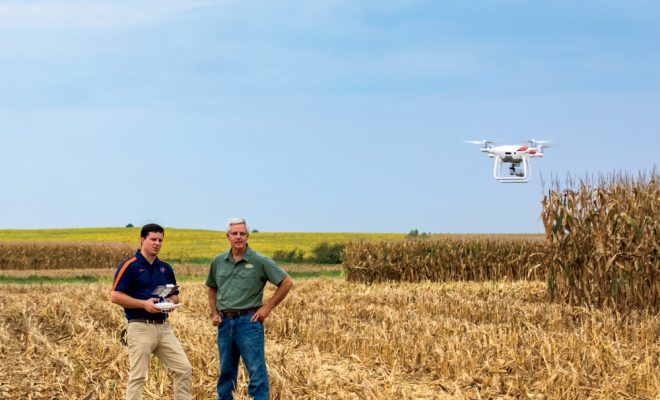
Systems record the rate and speed at which we plant seed, apply herbicide to protect our crops and harvest. GPS soil samplings tell us pH and nutrient levels by location within a field. Satellite imagery measures biomass and logs plant health. Thumb drives store measurements on liquid fertilizer application, ground contact and seed spacing. Devices even collect tractor usage information to assign efficiency scores. And we have lots of colorful maps that categorize the data and display results visually by field.
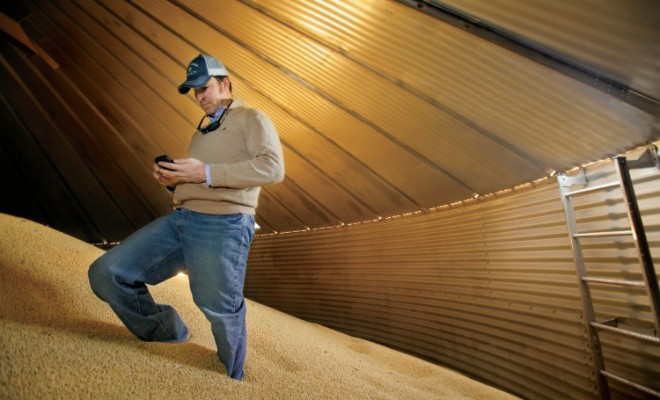
The information overwhelms us, largely because digital data proves easily collected like an unattended email inbox or a phone full of photos. These field numbers and digital images can either stay on a thumb drive out of sight and mind or make change-driving decisions for the next growing season and the future. Possibly, data can validate practices on the farm, including all we do to protect our planet.
See more: Are Robots the Future of Sustainable Farming?
During winter, an agronomist helps us analyze and decipher some of the data to adjust soil nutrients, set site-specific seeding rates and improve field drainage systems. The information may prompt us to try new cover crops or micronutrient products.
Routinely, we determine the next field trials to test fertilizers, planting rates and seed varieties for improved outcomes. Often, those outcomes reveal themselves at harvest when the yield monitor shows on-the-go results and collects even more data to help drive the subsequent decisions.
About the Author: Joanie Stiers farms with her family in west-central Illinois, where they grow corn, soybeans, wheat and hay and raise beef cattle and backyard chickens.