


Curious about what the term “organic” really means? You’re not alone. As organic foods become increasingly prevalent on grocery store shelves and restaurant menus, many want to learn more about how farmers grow these products, but sometimes it’s hard to sift through the myths and misinformation and uncover the truth.
Fortunately for you, we’ve done the hard work, answering five common questions about organic foods and growing practices as well as organic certification processes. Read on for our answers and prepare to expand your knowledge base. Chances are, you’re going to learn something new.
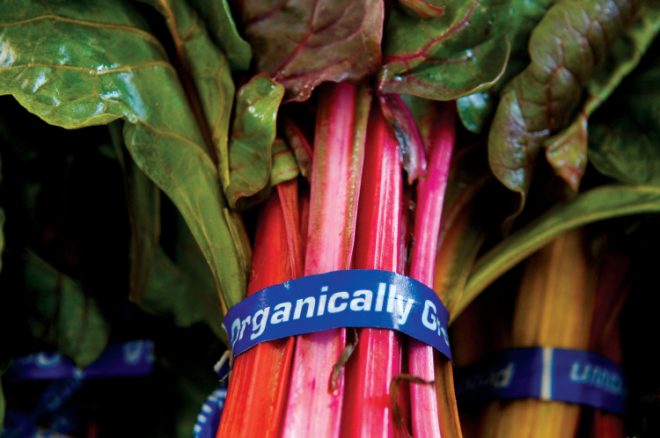
How do organically grown and conventionally grown produce differ? How are they alike?
Both organic and conventional produce may contain synthetic and natural pesticides and herbicides, although USDA-certified organic products can only be exposed to pesticides and herbicides deemed acceptable on the National List of Allowed and Prohibited Substances. Conventionally grown produce may be grown in ways that comply with established organic standards despite not having the certification.
Organically grown produce cannot comprise any GMOs, such as genetically modified seeds, and can only include substances approved on the National List, while conventionally grown produce can feature a broader range of substances and may include GMOs approved by the FDA.

Hi
I would like to save this article but I can’t seem to find a way to download it. I am a farm bureau member. Maybe there is something I’m missing.
Thx
P.S. Please don’t share my personal info.
Hi Kelly, if you’re interested in a PDF of the article, please email us at ilfbpartners@farmflavormedia.com. Thanks!
Jessy Yancey
editor, Illinois Partners