


Curious about what the term “organic” really means? You’re not alone. As organic foods become increasingly prevalent on grocery store shelves and restaurant menus, many want to learn more about how farmers grow these products, but sometimes it’s hard to sift through the myths and misinformation and uncover the truth.
Fortunately for you, we’ve done the hard work, answering five common questions about organic foods and growing practices as well as organic certification processes. Read on for our answers and prepare to expand your knowledge base. Chances are, you’re going to learn something new.

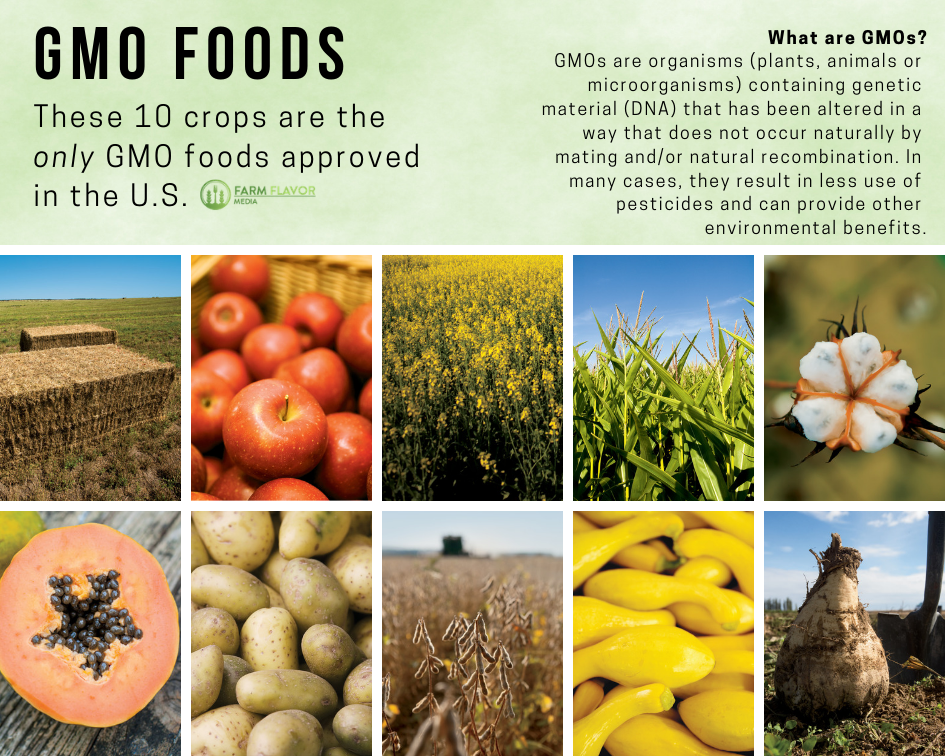
What are GMOs?
GMOs are organisms (plants, animals or microorganisms) containing genetic material (DNA) which has been altered in a way that does not occur naturally by mating and/or natural recombination. In many cases, they result in less use of pesticides and can provide other environmental benefits. GMO crops improved by using biotechnology and available in the U.S. are:
- Alfalfa
- Apples
- Canola
- Corn
- Cotton
- Papaya
- Potatoes
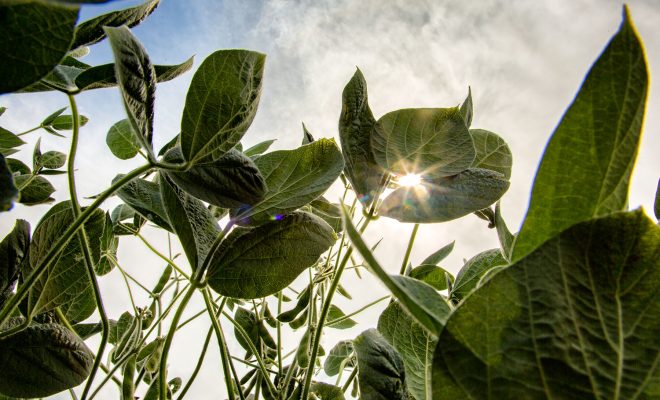
- Soybeans
- Squash
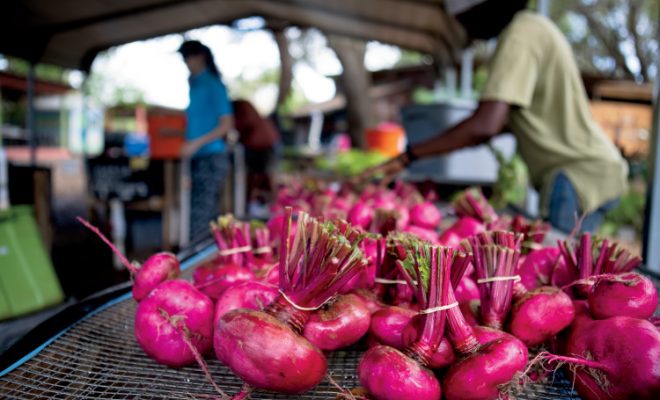
- Sugar Beets

Hi
I would like to save this article but I can’t seem to find a way to download it. I am a farm bureau member. Maybe there is something I’m missing.
Thx
P.S. Please don’t share my personal info.
Hi Kelly, if you’re interested in a PDF of the article, please email us at ilfbpartners@farmflavormedia.com. Thanks!
Jessy Yancey
editor, Illinois Partners