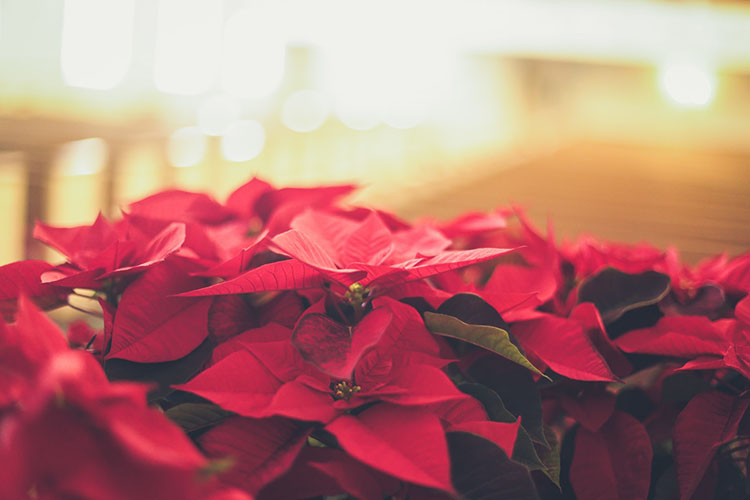
Before you go shopping for this year’s poinsettia, have a plan for getting it home. Poinsettias not only love to be warm, they require warmth – in the store, getting to the car, traveling in the car and settling into their new home.
Your aim is to prevent leaf drop, which starts in the store. Being too cold and residing in a clear plastic sleeve alerts the buyer their plant will not last long once it is home.
The leaves produce ethylene gas. It becomes trapped around the leaves in the plastic wrapper, which speeds up maturing leading to premature leaf drop.
After you find a store that displays the poinsettias without the plastic, check the leaves carefully for whiteflies. The actual flies may not be present, but by looking at the underside of the leaves, you can determine if any eggs or larvae are present, signaling a future infestation. If you see tiny oval or circular raised bumps, find a different store because the whole shipment might be at risk.
See more: 10 Poinsettia Pointers for the Holiday Season
Next, check the flowers, which are the rounded, yellow things centered in the middle of the red bracts (leaves). Are they loose or missing? Bad news! The plant won’t last long. Look for a different one.
Finally, you found the perfect poinsettia. Now, you need to get it home through the December cold. Buy it at your last stop, so it doesn’t languish in a cold vehicle while you continue to shop. Protect the leaves from the cold wind during the transfer to and from the car.
Home, at last. Now what? Lots of light, lots of warmth and quite a bit of water. Your poinsettia grew in a bright greenhouse under optimum conditions, so don’t shock it with a low-light site. Stay away from doors that expose it to cold air periodically. Poinsettias prefer evenly moist soil conditions, not soggy and never dry. I remove the colored foil pot wrapper so I can more easily see and feel the soil. Depending on the humidity in your house, most poinsettias require water every four to five days.
Poinsettias need no fertilizer while in bloom. Also, they are not toxic to humans or pets, unless one ingests bushels of leaves.
Enjoy your plant, and hopefully, it will make it to June when you can plant it outside.
See more: 10 Fun Facts About Poinsettias
Ask the Expert
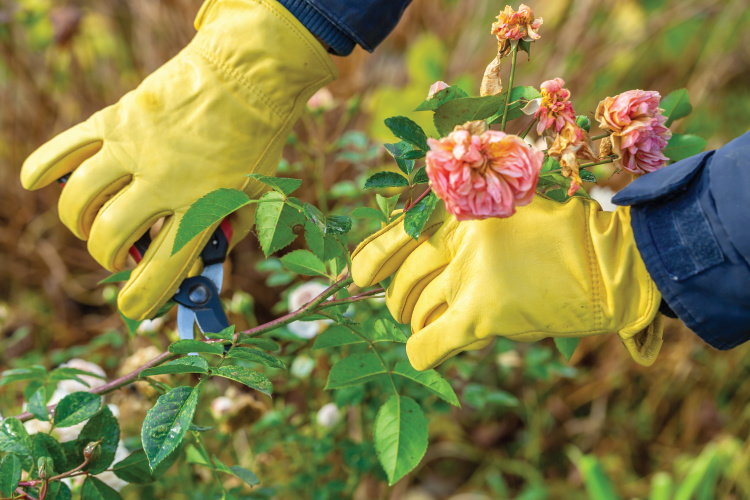
Q: I’ve allowed my shrub roses to get too big. When should I prune them?
A: Pruning in late winter allows you to remove up to one-third of the plant without stressing it. Do not shear it. Instead, remove individual branches, either back to a major cane or down to the ground. Stepping back occasionally to check will help you maintain the shrub’s standard shape. Remove dead wood anytime it becomes evident.
See more: Winter Garden and Yard Prep Leads to a Fast Start in the Spring