In their ongoing efforts to reduce soil erosion, keep nutrients in place and improve the environment, many Illinois farmers look to the skies for support.
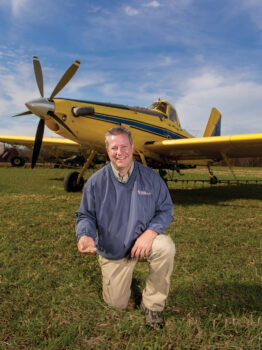
Joe Curless, a Fulton County farmer who co-operates Curless Flying Service with his father, Harley, says a growing number of farmers in the Prairie State hire aerial applicators to seed their cover crop acres using planes.
“There are a lot of farmers who really like aerial seeding, so the word is starting to spread,” Joe Curless says.
The western Illinois flying service, started by Harley in 1977 near Astoria, has long worked with area farmers to apply crop protection products. The business added aerial cover crop seeding to its service lineup a few years ago.
See more: Nourishing Nutrients: How Farmers Manage Soil Health to Grow Better Crops
Gaining Ground With Cover Crops
Cover crops – a key conservation tool for farmers that create a protective blanket on land – continue to gain ground. A recent satellite-based survey by the University of Illinois shows farmers in the Midwest planted cover crops on 140 million acres in 2021 – or 7.2% of the region’s crop acres – up fourfold from a decade earlier.
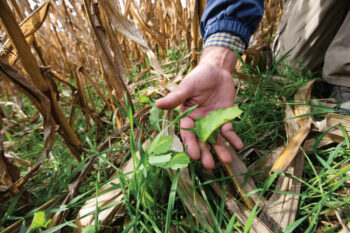
Cover crops grow during the fall and early spring, when cash crops, produced mostly for their commercial value such as corn and soybeans, are not on the soil. A growing, green cover helps protect fields from erosion, keeping the soil in the field and out of nearby rivers and streams. Scientific studies have shown planting cover crops also helps farmers reduce losses of crop nutrients, improve soil health and suppress yield-robbing weeds.
The Curless family has long planted cover crops on their fields near the bluffs of the Illinois River.
“The cover crop helps keep my soil in place and keeps my nutrients – which are expensive – in the soil,” Curless says. “That way, my crops can utilize them, and they stay out of the watersh
A Head Start for Soil and Water Stewardship
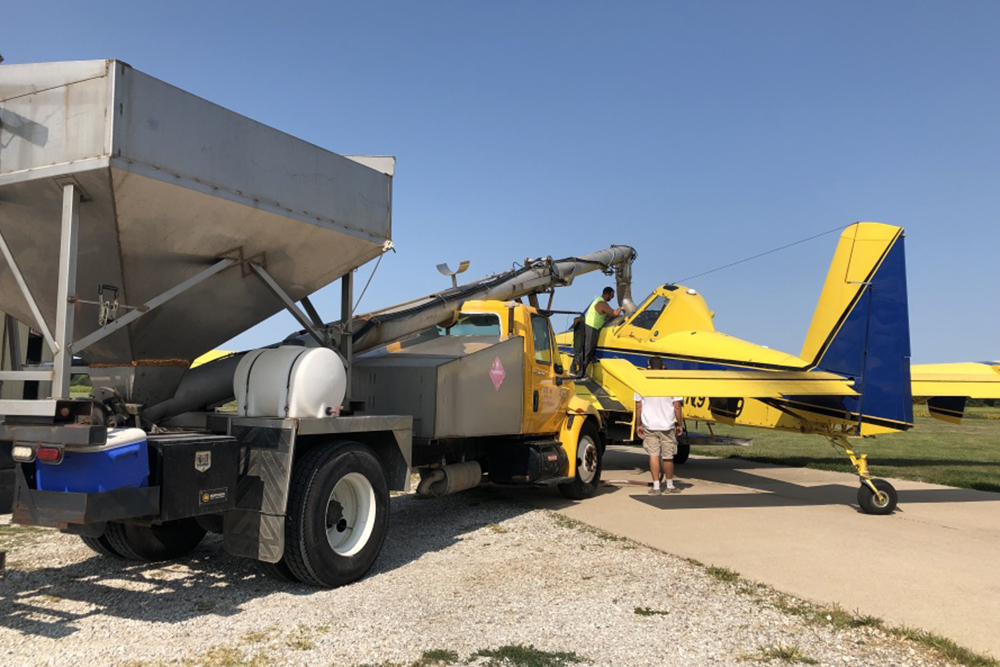
Curless’ pilots typically fly cover crop seed out just prior to Labor Day, right before the farmers begin to harvest and right into standing crops such as corn and soybeans. The pre-harvest seeding provides the cover crop a head start on getting established so it can protect the soil and the environment, Joe says.
“We are trying to do two things with the aerial seeding,” he explains. “We are trying to harvest the remaining sunlight in the fall and take advantage of rains that typically occur around then. Both the sun and moisture are essential to get good cover crop growth.”
To seed cover crops, Curless Flying Services refits its planes by removing pumps and booms used to apply crop-protection products. Then they install a spreader under the wings to distribute the cover crop seed.
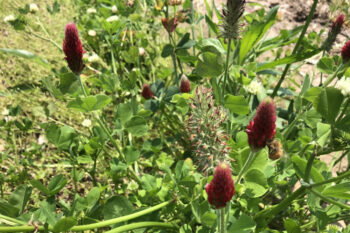
The company’s pilots fly about 50 feet above the field, spreading seed mix in a wide swath over the maturing corn or soybeans. With a little wind or rain, the cover crop seed works its way to the ground and begins to germinate. Curless Flying Service then returns to the aerial-seeded fields after harvest with surface planting equipment to fill any areas that are hard to access with the airplanes.
With the right conditions, the aerial-seeded cover crops often reach ankle-high before frost ends the growing season, Curless says. And with a robust root system in place, cover crops can hold the soil and reduce nutrient loss through the winter and into the early spring.
“From an environmental standpoint and from a soil health standpoint, we can definitely see the advantages,” Curless says.
Learn more about “air tractors” and cover crops in this Partners podcast:
Listen to “Sky’s the Limit for Stewardship” on Spreaker.
See more: Cover Crops Protect Soil Between Growing Seasons (VIDEO)