Social media floods our lives with an array of tips and tricks, including what to do in the garden. But how do you know what really works? Oftentimes, these gardening hacks and myths passed around on Facebook, Instagram, TikTok and the like do more damage than good to the plant, local wildlife and the environment. Learn how to protect your plants as we debunk some common gardening myths.
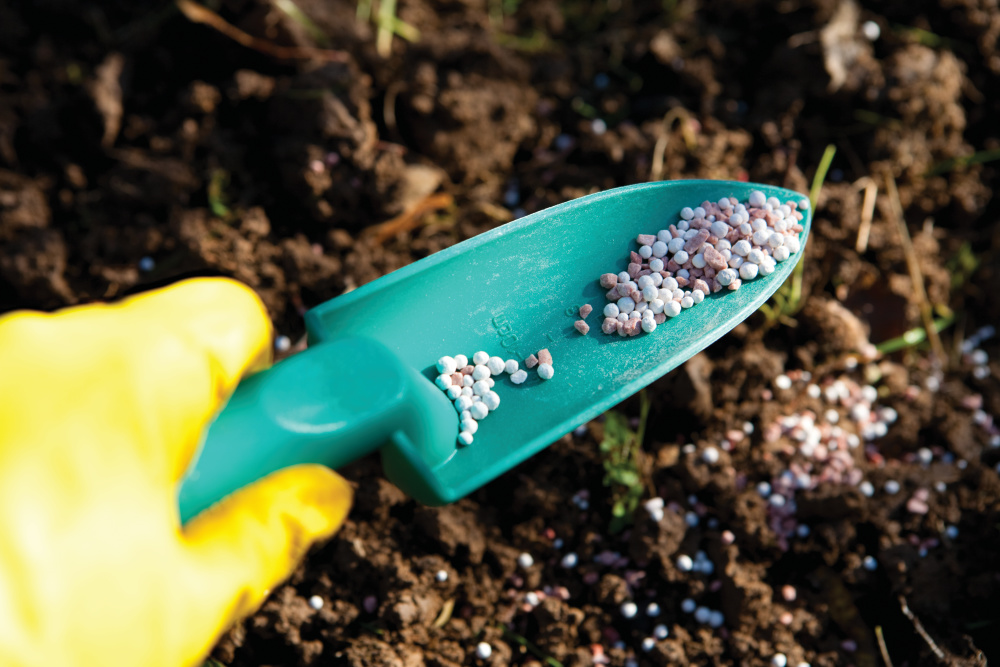
Fertilizer Foes
If you use social media, recipes abound for weed killers, fertilizers, etc., usually advertised as hacks. The alternate definitions for “hack” include slash, chop and mediocrity, as in writing or a profession – perhaps a better fit for most of these so-called garden hacks for homemade herbicide.
Using some mixture of soap, oil and vinegar to kill weeds probably claims the most attention. While it burns whatever greenery it touches, the roots remain healthy and can repeatedly produce new top growth. The danger is to amphibians, reptiles and insects – unintended victims. Remember, one of the main ingredients in vinegar is acetic acid.
Brewing compost tea for fertilizer is another popular hack that can backfire. First, one needs to purchase an aerator, or it becomes a stinky anaerobic mess. Secondly, boosting populations of dangerous pathogens like E. coli and salmonella becomes a risk. The safest and easiest course is to skip the extra trouble of brewing and add the compost directly to your gardens.
See more: A Gardener’s Rant About Movies
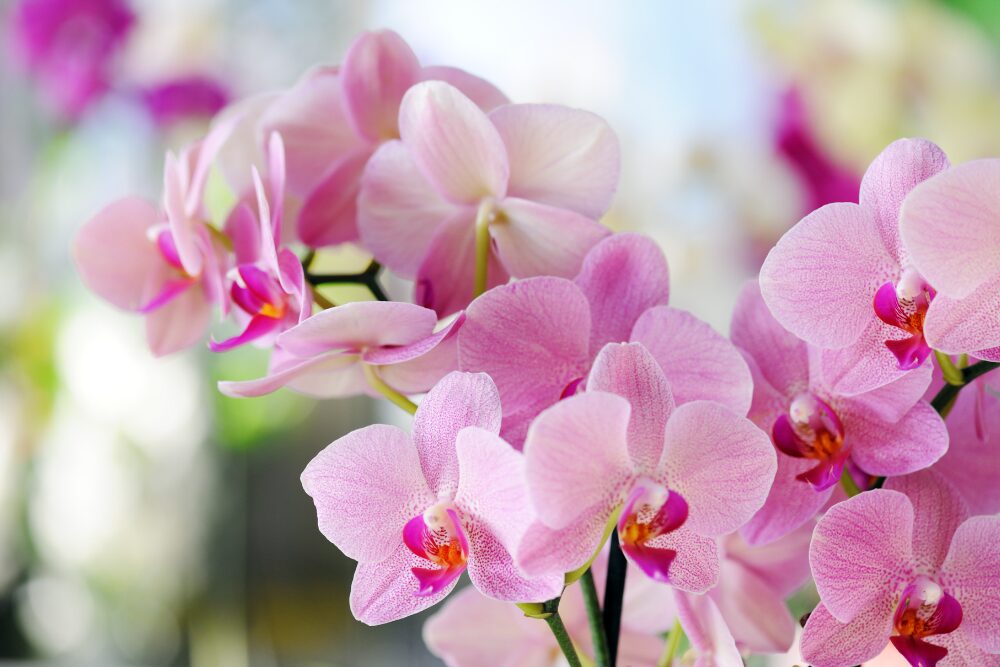
Frosty Remedies
Another common misconception: using three ice cubes to water orchids. Orchids grow in warm, humid rainforests where ice does not. The University of North Carolina Charlotte Botanical Gardens tested this hack and discovered the orchids declined over six months, presumably due to the cold temperatures of the watering method. Three ice cubes equal roughly one-third cup of water, which direct out of the tap should be close to room temperature.
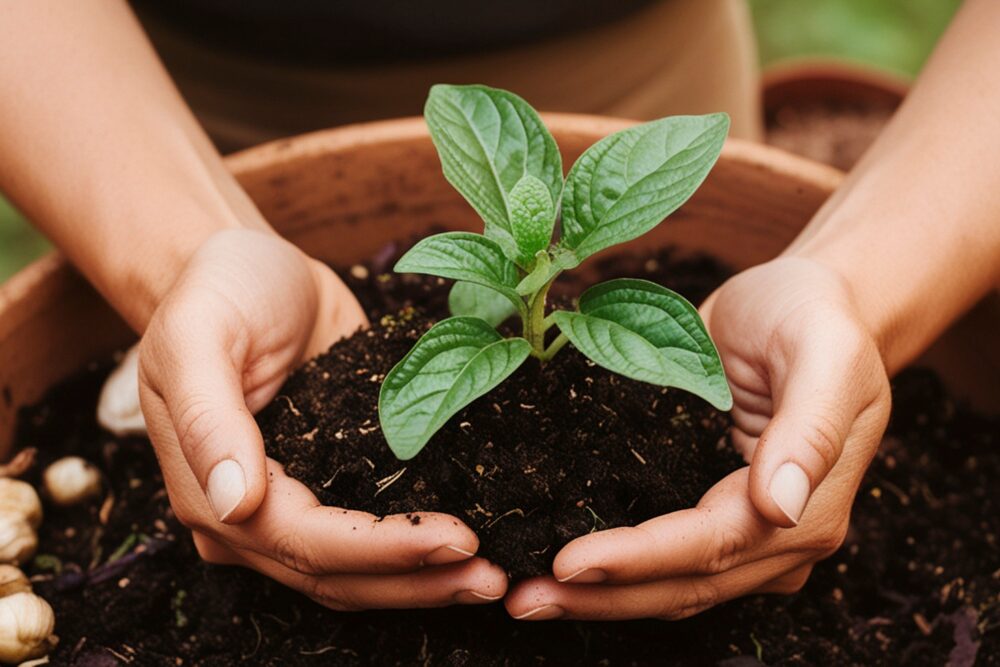
Rooted in Good Practices
Ideas abound with what to put in the bottom of containers before adding potting medium: rocks, packing peanuts, crushed aluminum cans or plastic bottles, among others. None of that is necessary or desirable. Water doesn’t move well through disparate textures and slows when encountering a change.
More importantly, roots prefer to grow down. The deeper the soil level, the bigger the roots, leading to a larger, lusher above-the-soil plant. If soil running out the bottom becomes a problem, just cover the drainage hole with a piece of window screen or a terra cotta shard.
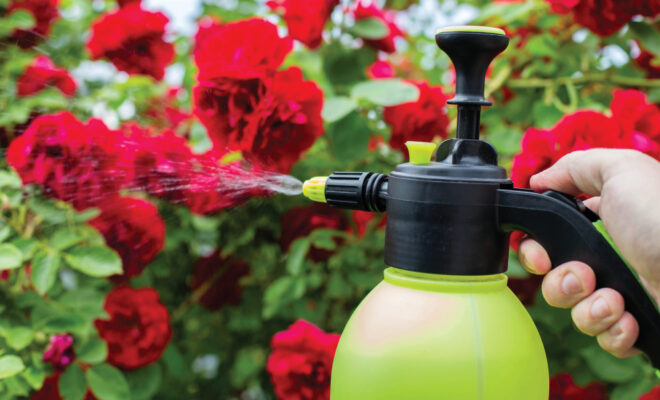
For a healthy garden, read the hacks, have a good laugh, and then choose a tested product after reading and following the correct dosage and instructions for use. The directions state if it is safe for use around children and pets. The plants, wildlife and people in your yard will all benefit.
See more: Making Sense of Garden Pesticides: How to Use Them Safely and Effectively
Ask the Expert
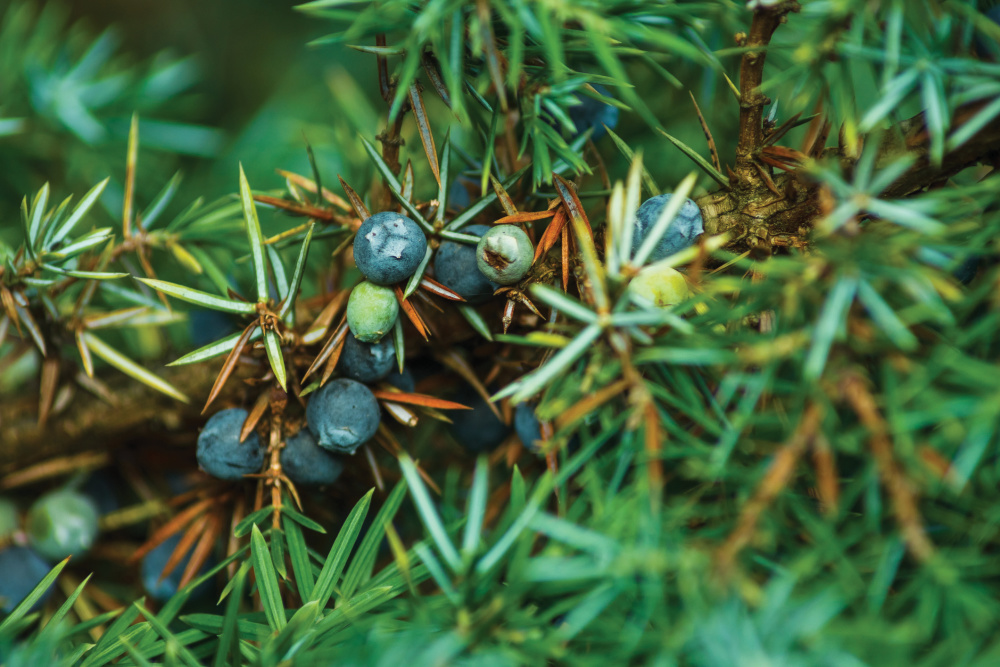
Q: Last fall, my white pine and juniper trees’ needles turned gold, then brown and fell off the inner branches. It’s happening again this year. What should I do?
A: You can relax. What you’re witnessing is a normal part of annual conifer life cycles. Like leaves, needles don’t last forever. The tree sheds the oldest needles annually, saving its resources and energy for the newer needles and next year’s candles (the upright buds at the branch tips). Weather and environmental stress may factor into the amount shed. During drought years, water all conifers before going into winter.j
About the Author: Jan Phipps is a University of Illinois Extension Master Gardener. She gardens, writes and podcasts near Chrisman.