VIDEO: Come inside and see what this locally owned and run meat market has to offer.
When grocery budgets tighten, we often feel pressure to cut back on more pricey items, such as meat. Instead, Farmhouse Meat Co. general manager Cassie Rae advises customers interested in saving to purchase this nutrient-dense source of protein in bulk.
Farmhouse Meat Co. in Carthage offers custom processing orders of locally raised beef, pork and other meat products. Thanks to a close-knit network of livestock farmers and food-related businesses in the area, the facility offers cost-effective food options that keep refrigerators full in the community and beyond.
See more: Meat Selection 101: Tips and Tricks (VIDEO)
Customers at the meat locker’s on-site store can purchase smaller products, such as snack sticks and brats, or order a whole or half an animal’s worth of meat at one time. The larger the order, the more customers save.
“It’s a more affordable way to feed your family; it’s a higher cost upfront, but you’re not running to the grocery store every other day to plan your meals,” Rea says. “When you break it up into the price-per-pound, you’re saving an awful lot of money.”
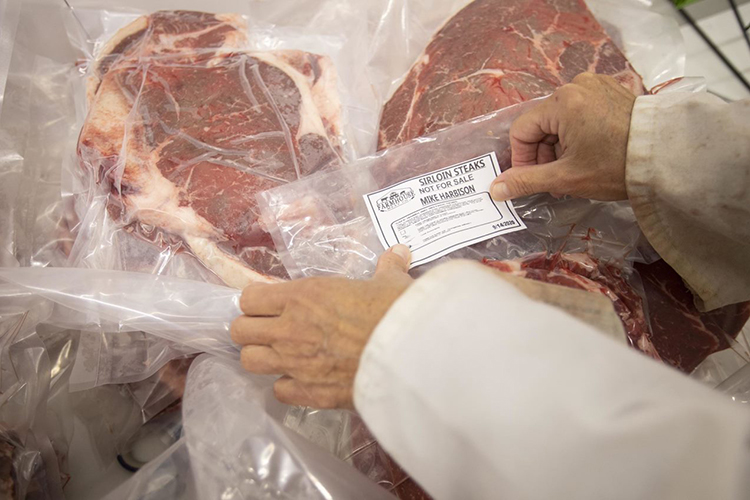
For example, customers that purchase half a cow get a variety of different cuts of meat, including more expensive options, such as filet mignon, porterhouse steak and chuck roasts, which, in 2022, averaged out to about $6 per pound.
Rea says the cost savings have been a big help to area residents because it gives people additional options outside of a conventional supermarket.
“As time goes on, more people are wanting to know where their meat is sourced from,” Rea says. “If they can call into this locker and buy a locally raised animal from us and fill their freezer and feed their family off of that, that’s what more and more people are tending to do.”
See more: Going Whole Hog (and Cow) with Local Meats (VIDEO)
Dairy farmer Kristin Huls is among the 10 local investors who helped form Farmhouse Meat Co. in 2018. While her family milks most of the cows on her farm, they use some to produce beef. Processing them became difficult when an older meat locker in the area shuttered, limiting options for area farmers who had to travel more than 40 miles to other facilities.
“When that business closed, that meant not only a loss of local food for the residents in the community, but also, we lost that outlet to market our animals and for our animals to be processed,” Huls says.

Farmhouse Meat Co. is unique in that customers don’t have to bring in an animal to have it processed. Those looking to place large orders can call in to the meat locker to get matched with local farmers who have animals ready for harvest.
Refrigerator and freezer space for such orders can be a concern, but many customers go in on purchases with families and friends so that products can be spread out and storage becomes more manageable. Huls also suggests trying out smaller beef and pork bundles, which include popular cuts of meat, for people who want to purchase more but might not be ready to place a bulk order.
Outside of what Farmhouse Meat Co. means to its customers and livestock farmers, it has also helped revitalize the western Illinois town of Carthage, the county seat of Hancock County. Huls grew up in the community and remains passionate about seeing it prosper now and in the future.
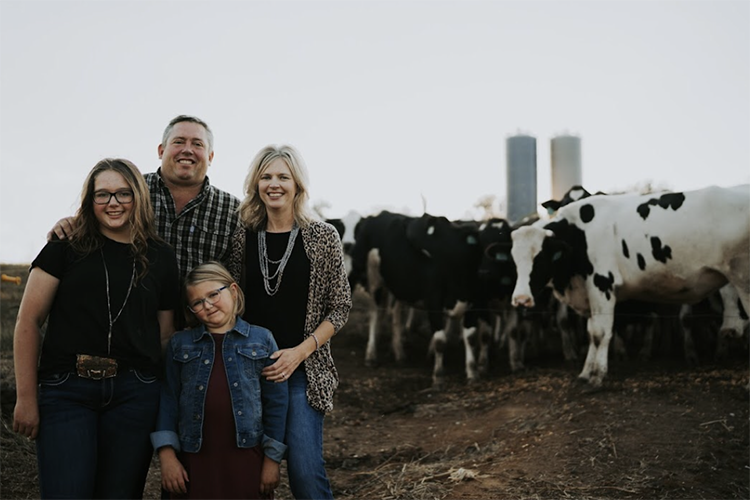
“I was born and raised here, and I can tell you that this community has invested in me my entire life and so I am, in turn, going to invest into [it],” she says.
You can shop at Farmhouse Meat Co. Monday through Friday from 9 a.m. to 5:30 p.m. and Saturday from 9 a.m. to 3 p.m., with extended hours during the fall deer hunting season. Learn more at farmhousemeatco.com.
This article is part of the 2022 Cultivating Our Communities (COC) series, which aims to highlight the diversity of Illinois agriculture. Illinois Farm Bureau’s COC campaign is a partnership with Illinois Lt. Governor Juliana Stratton, the Illinois Specialty Growers Association, and the Illinois Department of Agriculture. Learn more at ILFB.org/CultivatingOurCommunities.
Check out the other stories in the Cultivating Our Communities series: Farmers and Food Banks Fight Hunger Together, Chicago Farm and Market Help Transform Lives and How Rolling Lawns Farm Creates Unique Milk Flavors.