What happens to dented, bruised, misshapen or “ugly” fruits and vegetables that can’t be sold in stores? What about ingredients that are grown to surpluses that outpace demand?
Michelle and Wayne Sirles, owners and operators of Rendleman Orchards, grow a variety of peaches, apples, pumpkins and more on their fifth-generation farm near Alto Pass. The couple partners with Feeding Illinois, an association of eight Feeding America food banks, to find homes for extra produce that’s grown on their farm and other farms in the area to help get fresh food to communities in need.
“When you sell to grocery stores or food distributors or different places that display the produce, you have to have cosmetically perfect produce,” Wayne says. “Every farm usually has stuff like that they have a hard time selling or finding markets for.”
The Sirles typically sell produce to customers in wholesale and retail outlets. When they grow too much, they work with Feeding Illinois to help distribute food to families across the state.
“Sometimes, farms have to go as far as actually dumping the produce in order to get rid of it,” said Wayne. “This gives us a wonderful opportunity and another market for us to sell products to.”
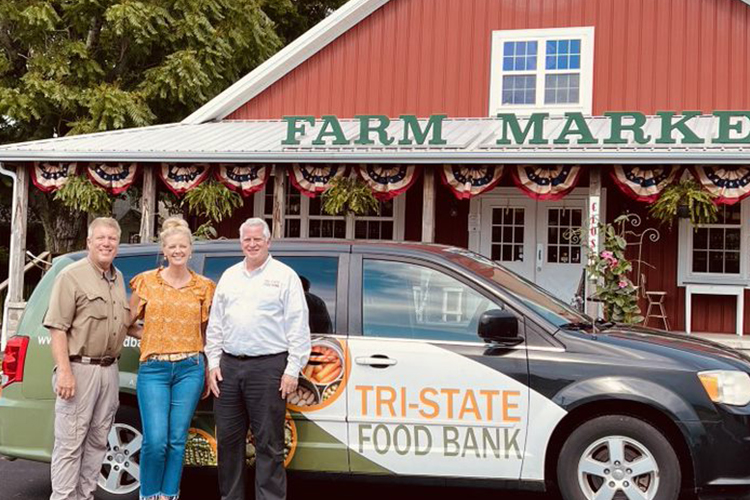
A U.S. Department of Agriculture grant helps the food banks purchase products from Rendleman Orchards and other farms at discounted prices. Fees roughly cover the farmers’ production costs, which helps them pay other expenses, such as employing workers during harvest.
“It helps recoup cost for the farmer, making farms more sustainable for the long haul in the state of Illinois. And, it feeds people that need it,” Michelle says. “A lot of people might say, ‘why don’t you just donate produce – you can’t use it anyway,’ but there are a whole lot of expenses in donating that most people don’t think about.”
The cost of transportation is one of the biggest expenses. To reduce trucking and shipping costs, the Rendlemans collect produce from area farmers, so that items can be moved in bulk to food hubs.
“It would be very hard for farms to pay for transportation on their own,” Wayne says.
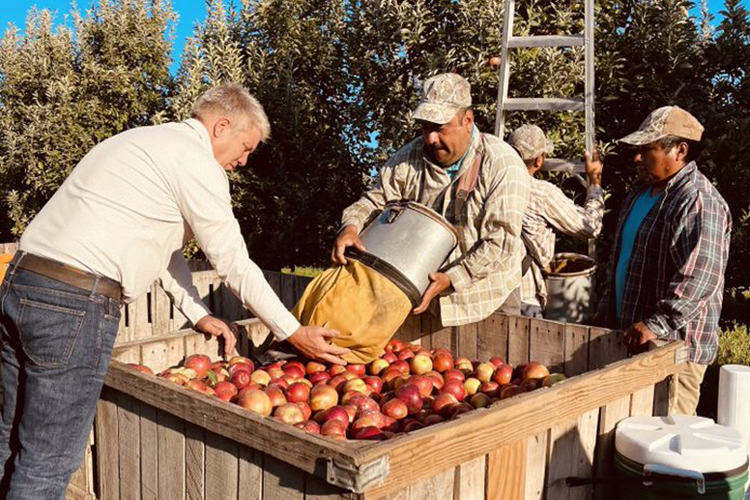
While working with food banks is important for Rendleman Orchards, there are other ways the farm enhances its southern Illinois community.
Farm visitors can select from a variety of produce, including peaches, nectarines, apples and more, at an on-site store. They also make apple butters and sauces available for purchase made from century-old family recipes, along with unique baking mixes.
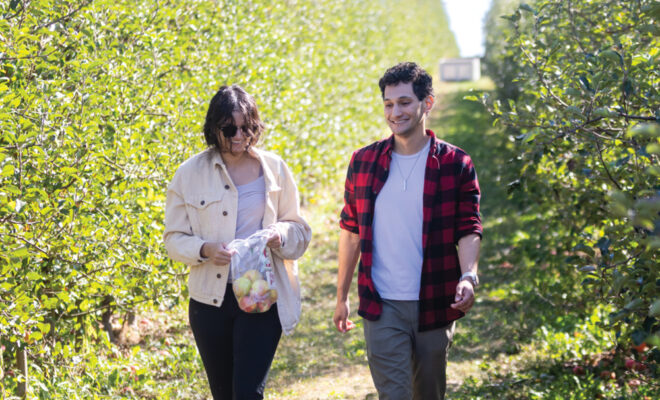
As guests check out the farm, they can pick their own produce from U-pick pumpkin, zinnia and sunflower patches, as they become available each season.
“It is a walking experience on a sesquicentennial family farm where we still have all of the old barns, migrant homes and things that really give people a true sense of American agriculture,” Michelle says.
Rendleman Orchards products can also be purchased online and shipped to customers across the country. Learn more about the farm at rendlemanorchards.com or Feeding Illinois at feedingillinois.org.
This article is part of the 2022 Cultivating Our Communities (COC) series, which aims to highlight the diversity of Illinois agriculture. Illinois Farm Bureau’s COC campaign is a partnership with Illinois Lt. Governor Juliana Stratton, the Illinois Specialty Growers Association, and the Illinois Department of Agriculture. Learn more at ILFB.org/CultivatingOurCommunities.
Check out the other stories in the Cultivating Our Communities series: Chicago Farm and Market Help Transform Lives and How Rolling Lawns Farm Creates Unique Milk Flavors.