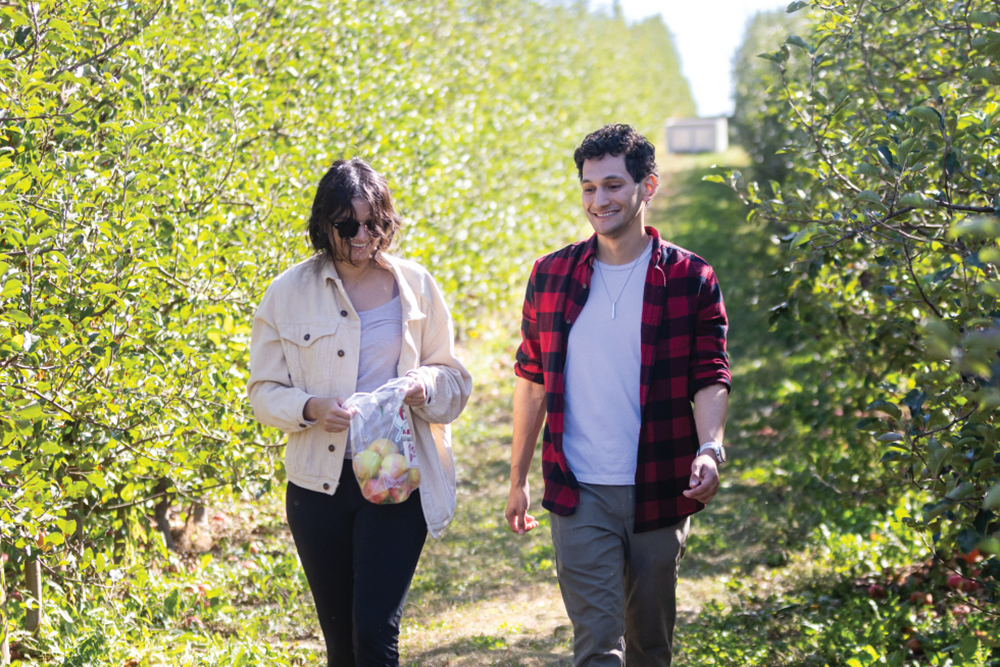
The Midwest Apple Improvement Association (MAIA) is a collaborative organization dedicated to developing new apple varieties specifically suited to the region’s unique growing conditions. Founded by a small group of friendly, forward-thinking farmers in the mid-1990s, MAIA now boasts more than 1,100 members committed to combining traditional and modern breeding techniques with rigorous field testing for improved outcomes.
The process of developing new fruit varieties is both an art and a science. In 2009, Bill Dodd, a fourth-generation farmer who operates Hillcrest Orchards in Amherst, Ohio, assumed the role of MAIA president to champion its core mission.
See more: Chicago’s Wild Blossom Meadery Introduces New Generation to Ancient Elixir
“Our goal is to increase, per capita, consumption of apples,” Dodd says. “That’s not an easy task as grocery aisles are full of other competitive commodities. Ultimately, we’d like to make apples so good that people choose them as the go-to snack – even over candy – because they’re so delicious and healthy.”
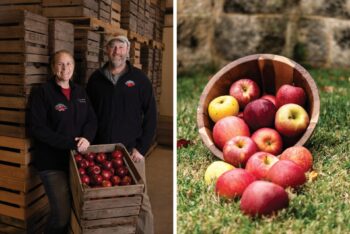
An MAIA member, test grower and fourth-generation farmer, Craig Tanner of Tanners Orchard in the north-central Illinois community of Speer values the organization’s effort to create apples with superior taste, texture and disease resistance.
“It’s important for the development of new varieties to continue as consumer preferences have changed over the years and will continue to do so,” Tanner says.
See more: A Place to Grow: Navarro Farm Nurtures Capabilities for People of All Abilities
Fresh Development
The first step begins with selecting parent apple varieties that have desirable traits. These varieties are cross-pollinated to produce seeds carrying genetic material from both parents. Once the seeds are collected, they are germinated and grown into young trees. Since each seed represents a unique genetic combination, thousands of seedlings must be planted and evaluated.
These trees take several years to mature before they can bear fruit, at which point Midwest Apple Improvement Association growers assess their characteristics, including taste, texture, shelf life and resilience to diseases.
Once a promising seedling is identified, it is not propagated by seed but instead through grafting, a technique where a cutting from the desired apple tree is attached to a hardy rootstock, or root system of a tree. This process ensures the resulting trees maintain the exact genetic traits of the original selection. Grafting not only speeds up the production process but also allows trees to be grown with consistent quality and adaptability to different soil types.
MAIA then distributes these newly developed apple trees to orchards across the Midwest and beyond. Farmers cultivate these apples, contributing valuable feedback on their performance in various growing conditions.
See more: Fall Apple Recipes to Enjoy Autumn’s Bounty
Crisp Results
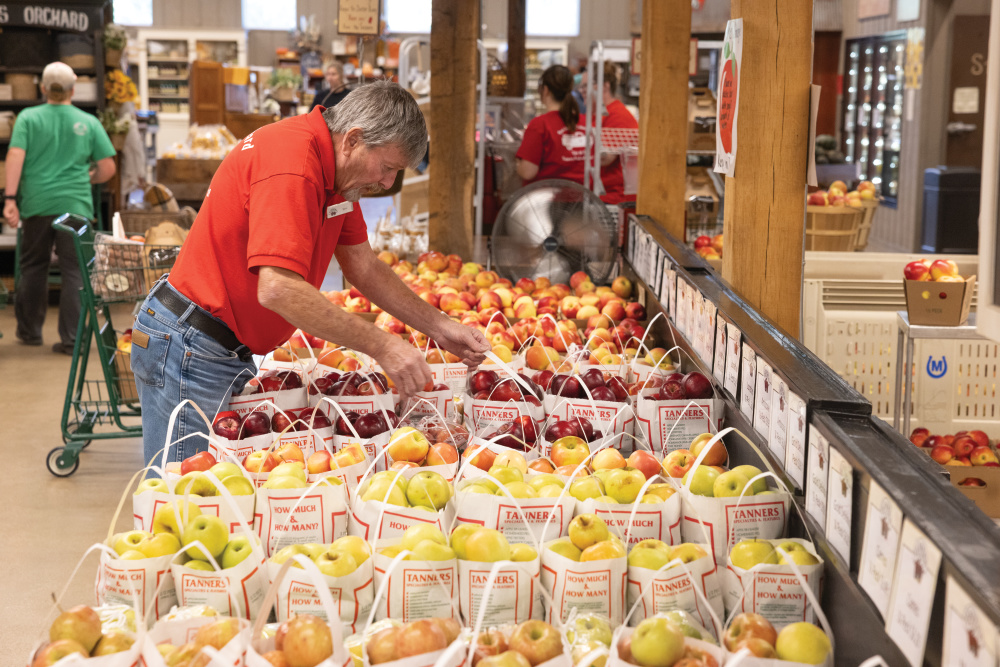
Dodd says Midwest Apple Improvement Association has released eight apple varieties so far, with the most successful being MAIA-1, trademarked as EverCrisp, which is a cross between Honeycrisp and Fuji. Known for its crunch and long storage life, EverCrisp has quickly become a favorite among both consumers and growers, including Tanner and fellow MAIA member Chris Eckert, a seventh-generation apple grower in Belleville.
Eckert says Eckert’s, the largest family-owned and -operated U-pick orchard, grows 15 apple varieties, including five selections developed by MAIA. In addition to EverCrisp, which Eckert says revolutionized the apple industry, Eckert’s also grows the association’s trademarked selections of Sweet MAIA, Ludacrisp, Rosalee and, most recently planted, EverCrisp-Mitchell. Plus, Eckert says his family orchard is one of the most aggressive MAIA testers with another 20 varieties currently in its test plot.
“MAIA is one of the largest apple breeding programs in the United States with thousands upon thousands of new seedlings in the ground today that we’re evaluating,” Eckert says. “We are learning ways to speed that process up through our partners at Reality Research so that we can find tastier varieties of apples that thrive in warmer, wetter climates and are easier for growers to manage.”
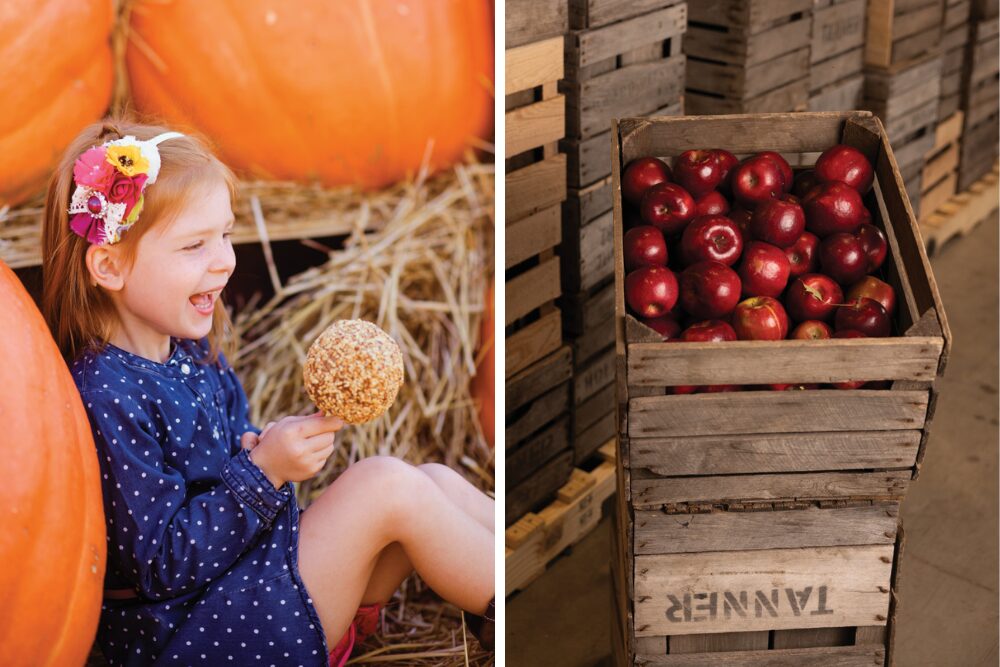
With a commitment to innovation and sustainability, MAIA is shaping the current and future of apple cultivation in the Midwest and the country as a whole. For example, Tanner credits MAIA – and, specifically, Dodd – with encouraging the use of a tall spindle growing system, which has resulted in earlier fruit production and higher yields per acre.
By working closely with growers and researchers, the MAIA ensures new apples not only meet the demands of modern consumers but also support a thriving agricultural industry. As MAIA continues to push the boundaries of apple breeding, apple lovers can look forward to an ever-expanding selection of crisp, flavorful varieties that redefine what it means to enjoy an exceptional eating experience.
Dodd says he’s excited about an up-and-coming MAIA selection called Red Zeppelin (MAIA-RZ). However, because apple breeding takes upwards of 15 years, this new apple likely won’t hit the marketplace for another five years.
To learn more about the Midwest Apple Improvement Association, visit maiaapples.com.
See more: In-Cider Information: Local Orchards Use Farm-Fresh Apples to Produce Fall Favorites
If You Go ...
Apple Bin Bakery at Tanners Orchard
Location: 740 IL-40, Speer
Season: August through November; check the website for specific hours
Phone: 309-228-9689
Website: tannersorchard.com/our-bakery
Eckert’s
Location: 951 S. Green Mount Road, Belleville
Season: August through October; check the website for updates
Phone: 618-233-0513
Website: eckerts.com/location/belleville-farm