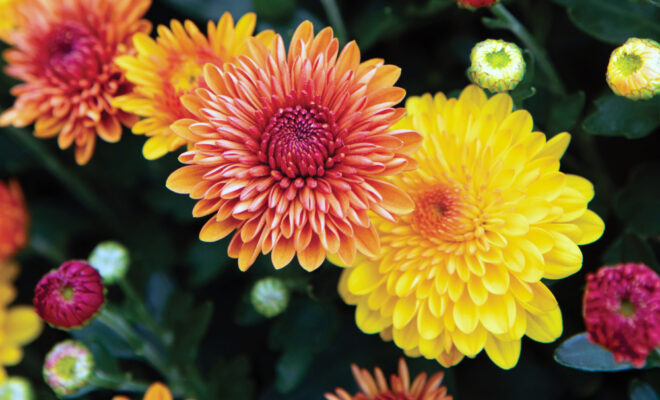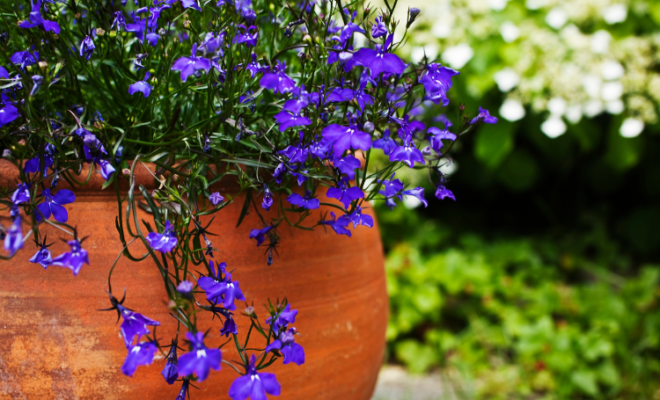
With the rise in popularity of U-pick flower farms, people are realizing they can re-create that fun venture in their own Illinois backyard. Cutting gardens allow you to have a fresh supply of blooms and foliage, not for outdoor display but with the purpose of harvesting them to create floral arrangements.
The garden location needs some thought and planning; however, with a few tips and tricks, you’ll be able to enjoy beautiful blooms indoors and outdoors all summer long.
See more: Hostas on the Bluff Grows Many Different Types of Hostas (VIDEO)
The Ideal Spot
Most high-blooming plants require full sun. Choosing a place close to a water source saves time and effort during dry periods. You might want to grow your cutting garden in a less conspicuous spot since it’s likely to have a riot of mismatched colors grown close together with empty gaps where you removed the latest batch. Of course, if you don’t have room, you can always remove flowers from your regular display gardens.
See more: Understanding Fairy Circles and the Myths Around Them
Annual Abundance
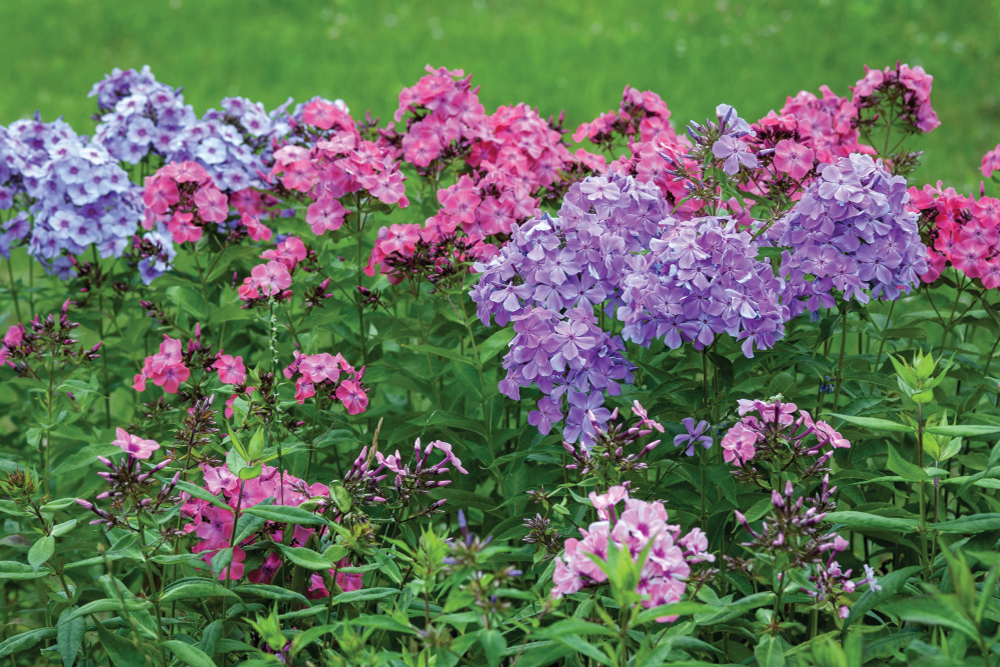
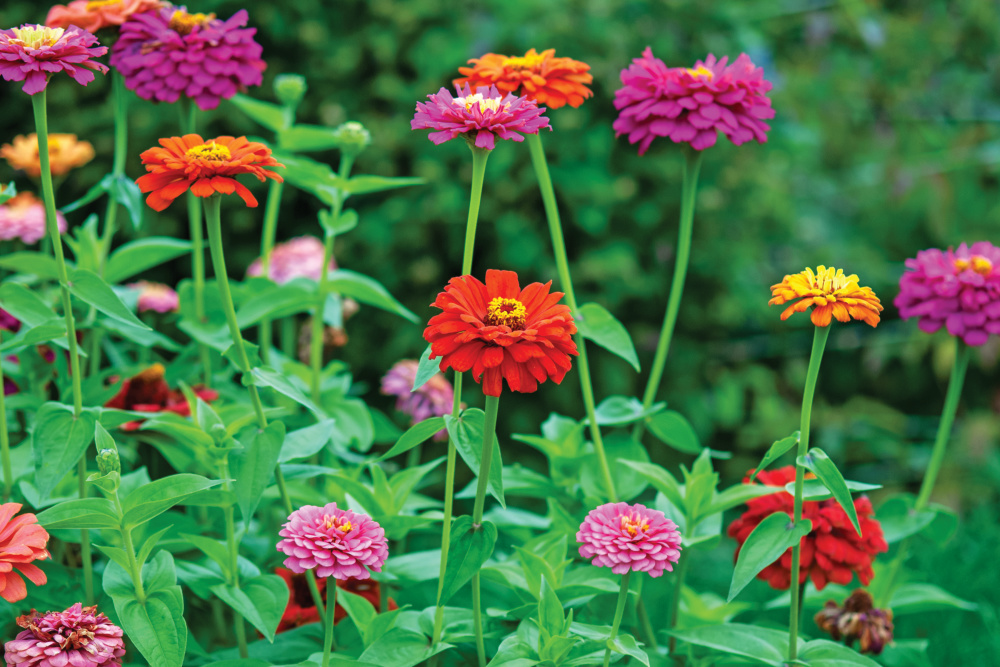
The mainstay of cutting plants? Annuals. They repeatedly produce flowers all summer long. You can even find varieties of some plants called “cut and come again.” Some long-blooming perennials also work, such as phlox, coreopsis and coral bells.
Unless you want miniature arrangements, choose blooms on long stems. Don’t forget plants with interesting seed heads (echinacea and rudbeckia) and aromatic plants such as lavender and sage.
As a filler, look for interesting foliage. I use false indigo (Baptisia), the ferny leaves of asparagus, baby’s breath and Diamond Frost Euphorbia.
See more: A Gardener’s Rant About Movies
The Secrets to Long-Lasting Blooms
When cutting your blooms, carry a bucket of water with you and place the stems in the water immediately. Whether you collect in the morning or evening depends on what you need. In the morning, the plants contain more water, which prevents wilting and adds to freshness. However, if you want to prolong vase life, wait until evening. Your plants photosynthesized all day, and the stems contain a lot of carbohydrates ready for the blooms to use.
Speaking of long-lasting, those little packets of flower preservatives work to prolong vase life. How? They contain a food source for the blooms, an acidifier to lower the pH of the water, and a biocide that kills bacteria, which can clog the stems preventing water uptake.
My first cutting garden didn’t work for me. Oh, the plants grew fine, I just couldn’t bear to cut them. I solved that problem by growing a lot of the same varieties, so removing a few didn’t matter.
See more: Planting for the Future: A Perennials Guide for Beginning Gardeners
Ask the Expert
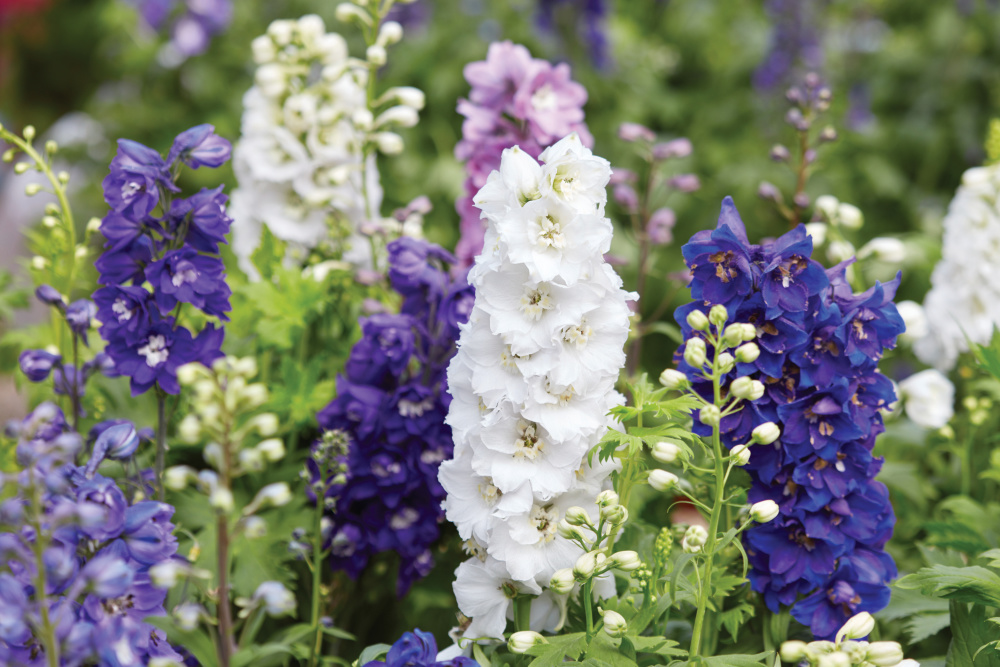
Q: What is the Chelsea Chop gardening technique?
A: It’s a method of cutting back by one-third for plants with tall stems that tend to flop over with the weight of the flowers. Its name comes from the famous RHS Chelsea Flower Show, held in London in late spring, which happens to be the perfect time for cutting back tall plants. However, in Illinois, June works best for us. Pruning off the tops of certain plants makes them shorter and forces more side shoots. The shorter stems can support the weight of the flower, and the side shoots produce a more rounded plant. This will delay bloom time by a couple of weeks but results in bushier, sturdier plants.
About the Author: Jan Phipps is a University of Illinois Extension Master Gardener. She gardens, writes and podcasts near Chrisman.