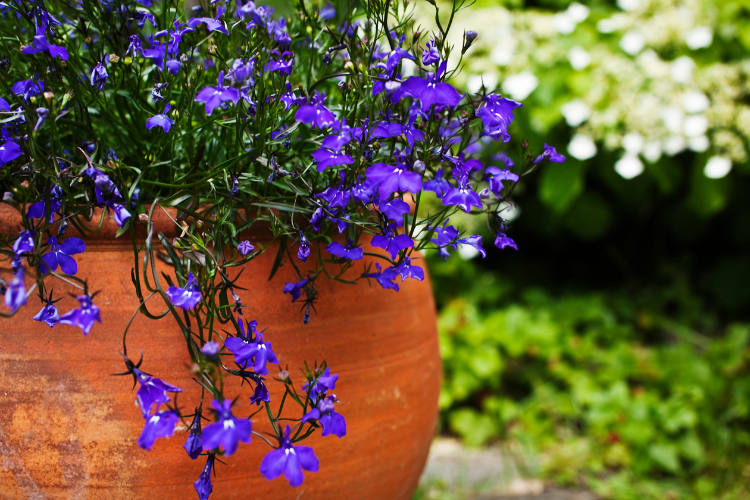
These container planting insights have been gathered throughout my decades of gardening experience – five decades, to be exact, which is somewhat sobering. I’ve garnered tips through trial and error, supplemented by research during that time. Hopefully, you can benefit from what I’ve learned beyond the usual container gardening advice.
Root Resilience
Roots need room to grow down. What does that mean? The size of the container determines the size of the plant.
For example, assume you own two pots containing an equal volume for the potting medium. The first tall and thin; the second short and squat. The plant in the tall container will grow almost twice as tall as an identical plant in the shallow pot.
You can use this to your advantage. If you want to grow a tall plant like papyrus but the best spot for it is under a window and you don’t want it eventually blocking the view from inside, plant the papyrus in a shorter container. It starts lower to the ground, and the lack of root space curbs its height.
Soil Success
Avoid soil layers in containers by skipping the weights and fillers stuffed in the bottom. Not only does it give you more room for soil – therefore more roots – but water also does not move well between different textures. Use a homogeneous potting mix throughout for best results.
If you use soil from previous years, dump it out in the spring. Mix in a little fresh peat moss and time-release fertilizer and shovel the now-aerated mix back into the pot. Then you can plant away for the new season.
See more: Helpful Garden Gadgets
Water Wealth
Everything I read talks about the importance of fast drainage. In my experience, moisture retention trumps rapid drainage.
In May, small transplants with equally small roots don’t use much water. Fast forward to mid-July and August. Those same plants grew to 10 times that original size. Now they constantly need a lot of available water.
If your pots dry out too fast in the second half of summer, add more peat moss to the mix next spring. However, if your containers remain too wet, causing root rot, add some perlite.
Design Dynamics
The thriller/filler/spiller design advice you see everywhere works great for medium and large pots. You can achieve the same effect using one plant from each category per small pot. Arrange the containers to accomplish the same result.
Container planting time approaches, and with these few tips, you can build a glorious, colorful, healthy display.
See more: Multiply Your Plants to Expand Your Garden
Ask the Expert
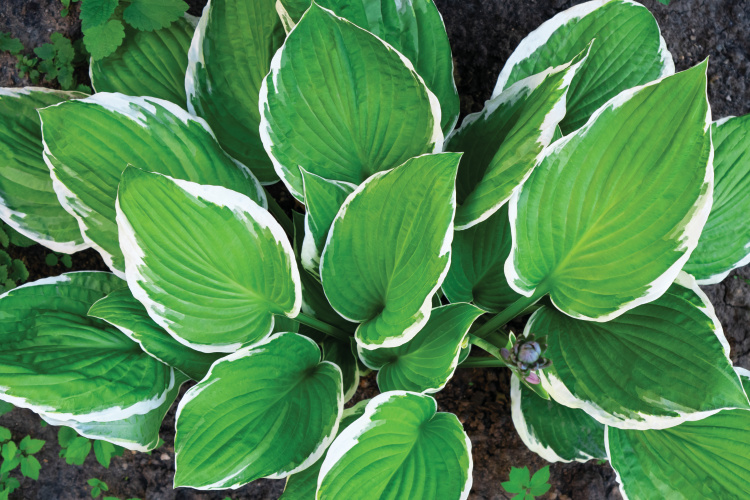
Q. Last year, slugs chewed holes in my hosta plants. How can I prevent the destruction this year?
A. Let nature solve the problem for you. In the long run, maintain a healthy environment where frogs and toads can thrive and feast on the slugs.
Meanwhile, trap the slugs under a wide board laid out on the wet grass. The slugs will shelter there in the heat of the day, making it easy for you to collect them.
Or try sinking a bowl of beer in the ground with the rim at ground level. The slugs fall in and drown.
About the Author: Jan Phipps is a University of Illinois Extension Master Gardener. She gardens, writes and podcasts near Chrisman.