A storefront business in the Edgewater neighborhood on Chicago’s north side using food-grade, Illinois soybeans has experienced so much growth that a multimillion-dollar expansion was deemed necessary to help meet demand.
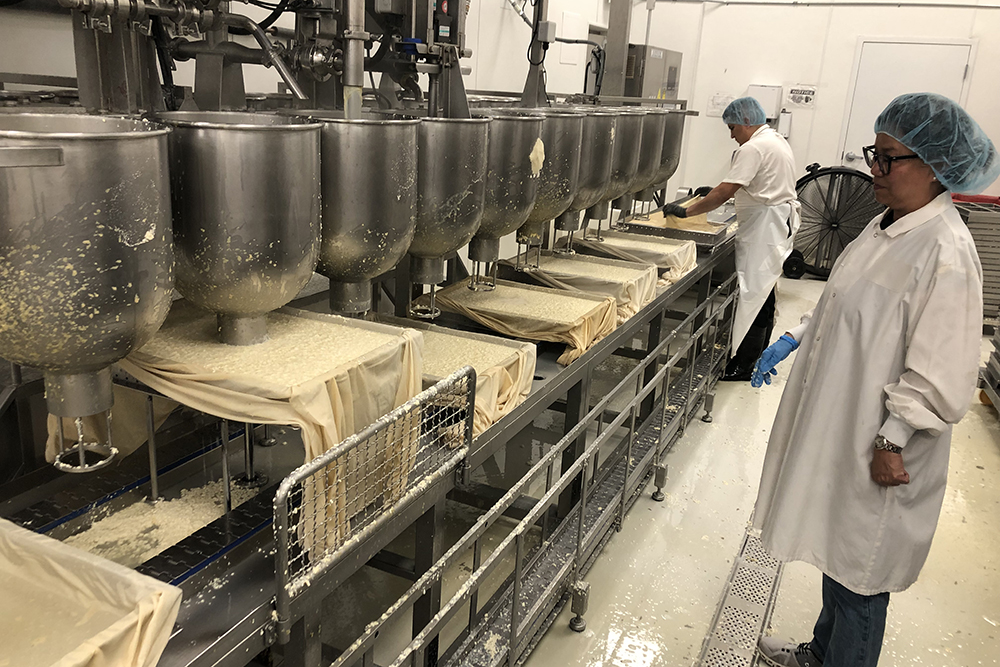
Phoenix Bean, which processes Illinois soybeans into tofu and soymilk, has added 10,000 square feet and new equipment to make and store its popular soy products.
“We started with six people. Now there’s 42 people,” says Jenny Yang, owner of the processing facility along with Jenny’s Tofu, a retail store on the busy North Broadway strip. “I feel like I made a good decision. I feel like I can manage as well as help the business continue to grow.”
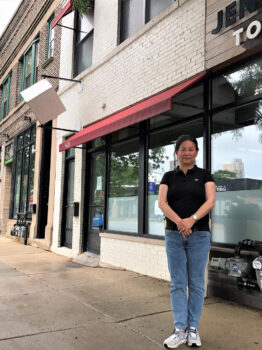
Yang bought the company in 2006 when the previous owner wanted to retire. A regular Phoenix Bean customer at the time, she spent 2-3 hours a day commuting to and from work and wanted to be more available to her family, who live in the same city neighborhood where the businesses are located.
She sells her soy products to several Thai and Vietnamese restaurants, at more than a half-dozen Chicago farmers markets, several regional, ethnic and artisan food retailers, and supermarkets such as Whole Foods and Mariano’s.
“We’ve been growing by double-digits every year,” Yang says. “We added a brand-new cooking machine and walk-in cooler so it’s a lot easier for my staff to work.”
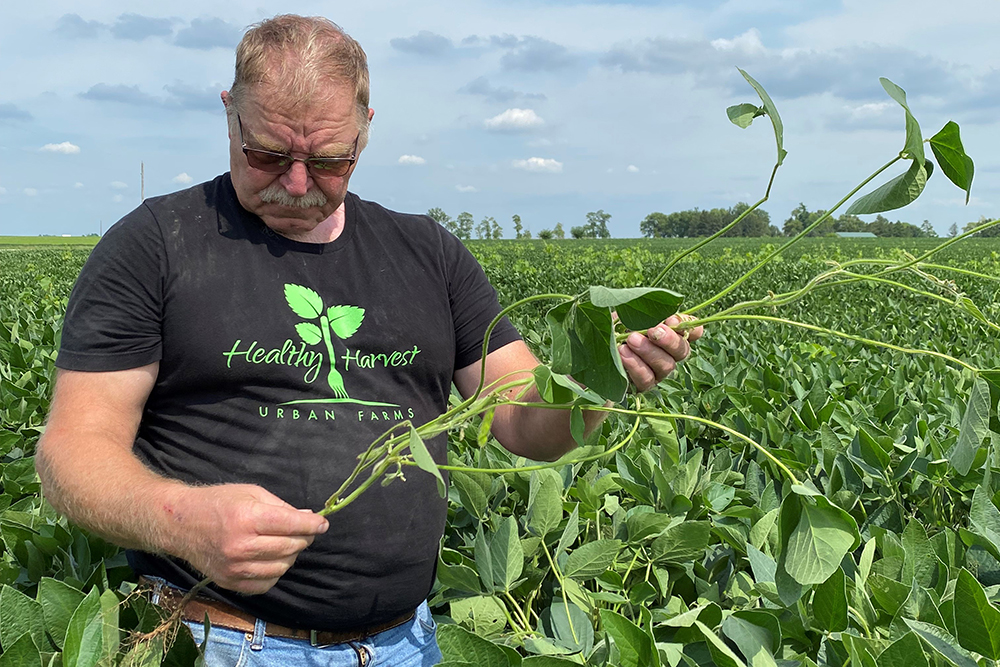
The company sources organic, non-GMO soybeans from Illinois farmers such as Harold Wilken, who farms and owns and operates Janie’s Mill in Iroquois County.
“We do raise soybeans, most of those go to the soy oil market, but we do sell to Jenny Yang for tofu,” says Wilken, whose acreage rotates organic soybeans, corn, wheat and what are known as cover crops, which provide a protective blanket during winter, absorb excess nutrients and help build soil organic matter. “We raise between 200 to 300 acres of tofu beans a year. For Jenny, we provide her with organic soybeans so we have to do our organic practices. We’re 100% certified.”
See more: Spilling the Beans on Soybeans
Generally, organic farming requires more intensive management of crops and soil, thus often results in additional costs and labor for farmers. For example, in September 2023, conventionally grown soybeans, which include the application of pesticides to minimize damage from weeds, insects and other pests, might fetch around $13.00 per bushel.
“For the food grade, we have a lot more costs with the cleaning, the bagging and the transportation,” Wilken says. “We figured that we’ll probably make around $26 per bushel roughly on those soybeans.”
Making tofu from soybeans generates a byproduct known as okara, or soy pulp. Yang works with some other Illinois farmers who use okara as livestock feed or compost it in soil. She’d like to find additional Illinois farmers who can utilize okara as well as finding more who will grow the soybeans she needs to make her products.
“While I am in charge, I want to do the best I can, updating a small mom and pop store to a mainstream business is a task itself,” Yang says. “I want to make sure our mission, our idea, our philosophy of using local, using sustainable practices, using a full-circle business concept, those are the things I want to continue to do.”
Learn more in this Partners podcast featuring Jenny Yang and Harold Wilken:
Listen to “This Food Goes from Farm, to City, to Plate” on Spreaker.
See more: The Full Circle of Soybeans: From Pod to Plate (VIDEO)