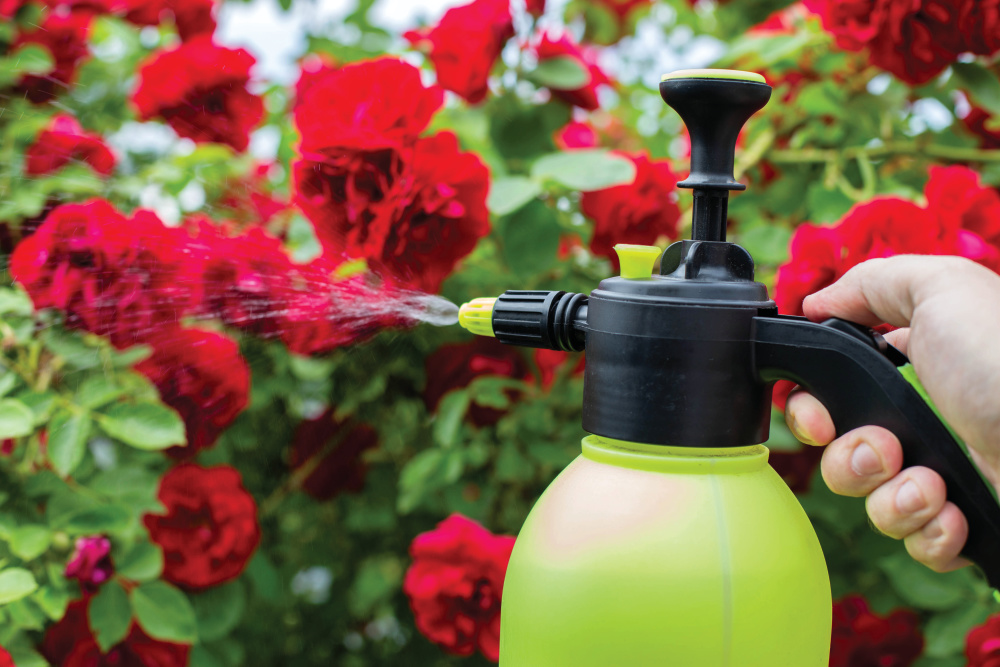
Garden pesticide, a broad category covering herbicide, insecticide, fungicide and many others, requires a small book to properly cover. However, with a few basics, you can safely tackle pests, protecting your garden and the environment.
Gardeners often find insect pests the most troubling. So, which insecticide works for which bug? First, remember we are using a substance to kill something, so stick to the commercial insecticides that have been tested and carry specific dosages, warnings and dangers, unlike social media home recipes.
The below suggestions cover natural remedies as well as pesticides that can lead you to a successful and flourishing garden in Illinois.
See more: Hostas on the Bluff Grows Many Different Types of Hostas
Natural Barriers
Physical barriers like row covers or strong blasts of water, while not actual insecticides, can be very effective. Row covers act as a barrier to keep the pest out until its harmful life stage passes or the plants are mature enough to withstand some damage.
Microbial Insecticides
Choose this for pests in the larval stage. Bt (Bacillus thuringiensis), the widest known example, controls bagworms, cabbage worms, cutworms and tent caterpillars.
Insecticidal Soaps
An option that works great when targeting soft-bodied insects like aphids, thrips and whiteflies. The fatty acids and salts work by dehydrating the insect. Some plants find it toxic, so test it on a small portion of the plant before proceeding.
Insecticidal Oils
While petroleum-based, they also target soft-bodied insects and work best when used on eggs and the immature stages of insects. Different types of oils exist, so be careful to purchase the correct oil for the correct time of year. Dormant oils should only be used on plants that are dormant; however, the light oils are available for use during the growing season. For oils to work, check the temperature listed on the package and only use when stated.
See more: Understanding Fairy Circles and the Myths Around Them
Diatomaceous Earth
The abrasiveness of DE, fossilized silica algae shells, works on soft-bodied insects, including snails and slugs. Choose natural grade, not pool grade.
Toxic Insecticides
Neem oil acts as a poison, repellent or feeding deterrent. It sterilizes some insects and slows the growth cycle of others. It comes in a foliar spray or a soil drench.
Targeting chewing or sucking insects, Pyrethrin kills on contact. It can also kill fish and be harmful to mammals. Use it only as a last resort and with extreme caution.
Use Responsibly
Insecticides exist to kill insects – meaning all insects, including the beneficial and the pests. For example, Bt will kill butterfly larvae, not just cabbage larvae. Please use it responsibly.
Common-sense practice maintains starting with the least toxic option, which often works. If not successful, move to the next choice, being sure you are targeting the correct life stage of the insect.
See more: Create an Oasis for Hibernating Insects Beneficial to Your Garden
Ask the Expert
Q: When should I stop fertilizing and watering in the fall?
A: Water any time the ground gets dry up until the soil freezes. Evergreen trees need adequate water going into winter because the needles will continue to “breathe” out moisture during the winter.
Stop fertilizing trees, shrubs and perennials in mid-August. We don’t want to encourage fresh tender growth that can be killed by the coming winter. Annuals, however, benefit from fertilizer up until a hard frost kills them.
See more: Rooted Bird Feeders Allow Mother Nature to Take Over Filling the Bird Feeder
About the Author: Jan Phipps is a University of Illinois Extension Master Gardener. She gardens, writes and podcasts near Chrisman.