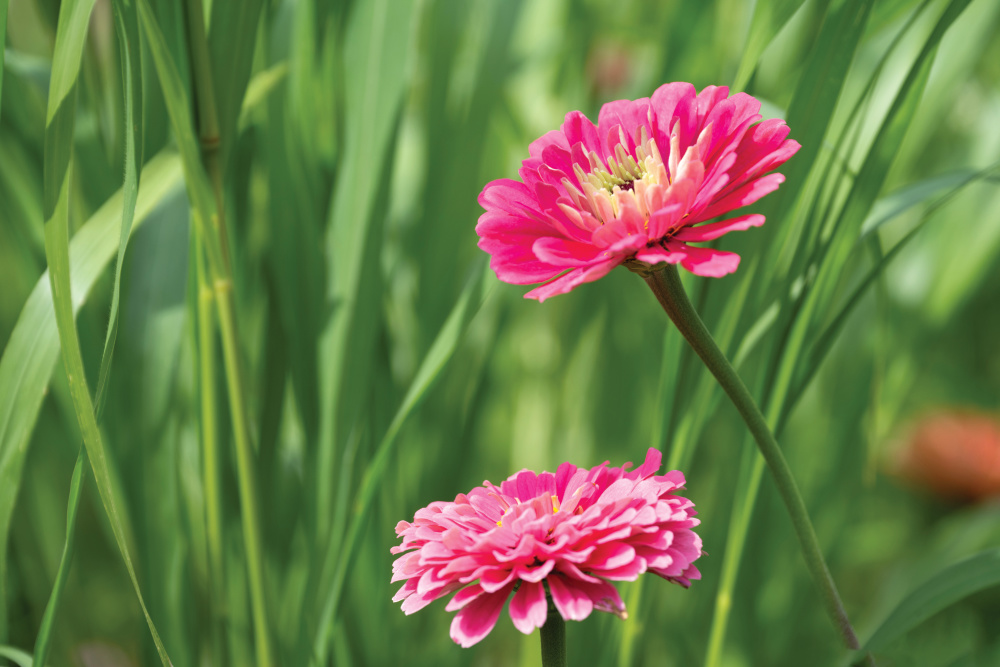
Ask gardeners about their perfect fantasy plant, and most immediately reply, “A plant that flowers the entire growing season and returns each spring with a mass of blooms.” Two choices exist: plastic or cloth, although they will fade starting day one in the sun.
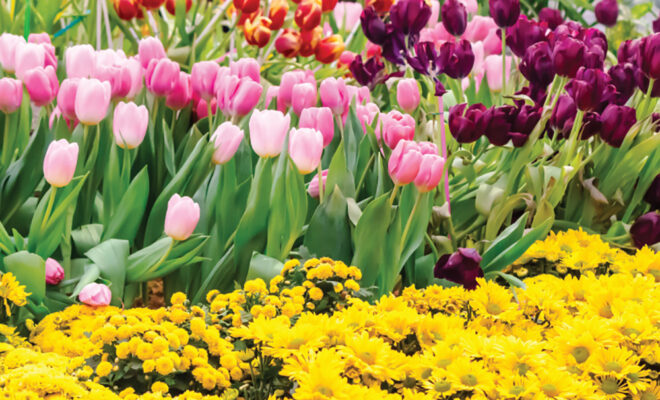
Don’t despair. A colorful option exists in the vast world of real, living plants: annuals. My own gardening history developed from these. I started with houseplants and Dutch bulbs (tulips and daffodils). Next came a few annuals bought as baby transplants (pansies). That led to container gardening, again using transplants.
Next, I discovered perennials, which are more expensive but return on their own each spring. Now I’m rediscovering annuals with a twist. I continue to grow them grouped together in pots; however, now I plant large swaths of color in places that previously grew boring grass.
See more: Learn How Different Flowers Attract Diverse Pollinators
Perennials
When growing perennials, I discovered although they produce fantastic blooms, they only last three or four weeks. Some, like the rounded bush form of Monarda (bee balm), exhibit a round ball of solid color for several weeks in early summer, followed by brown dead seedheads with a single rebel bloom off and on the remainder of the season. Of course, plants like summer phlox bloom solidly for about two months with a much lesser display heading toward frost.
See more: Expect the Unexpected: Things New Gardeners Should Know
Annuals
Compared to perennials, annuals display color from late spring to early summer, nonstop until frost, providing color for four, even five months with our new later hard freeze dates in Illinois.
A few annuals, like the previously mentioned pansies, prefer cool weather. They look good in spring but get leggy with smaller and smaller blooms as June heats up. If you can keep them alive through summer, prune them back, and they will take off again in fall.
Another annual advantage? Price. Compare the price of a seed packet containing many potential plants to one perennial plant. Also, you pay the seed cost only the first year. After that, plant the free seeds collected the previous fall.
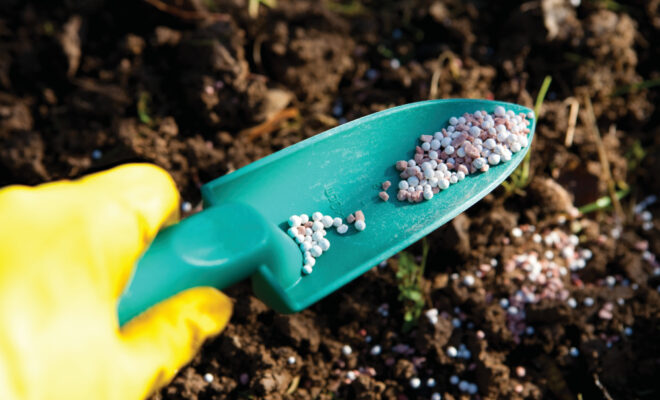
So, what’s the downside? If you dislike gardening, planting the seeds and babysitting them until they start growing takes some time early in the growing season. Me? I love planting so I count it as another advantage. To produce that much color, annuals need more water and fertilizer than other plants.
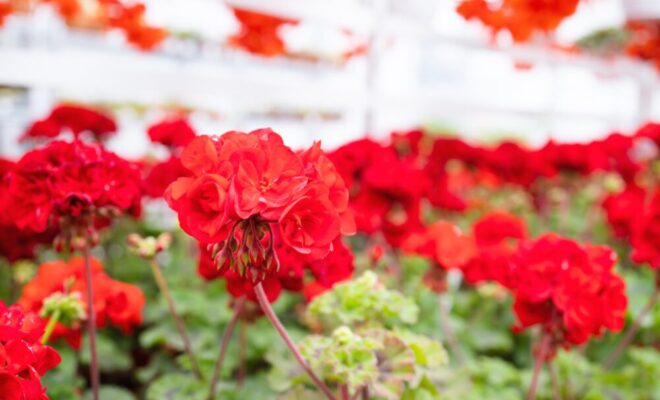
Zinnia, cleome, globe amaranth, cosmos, vinca or annual salvia are just a few ideas to help start your colorful garden this summer.
See more: Expert Tips and Insights for Successful Container Gardening
Ask the Expert
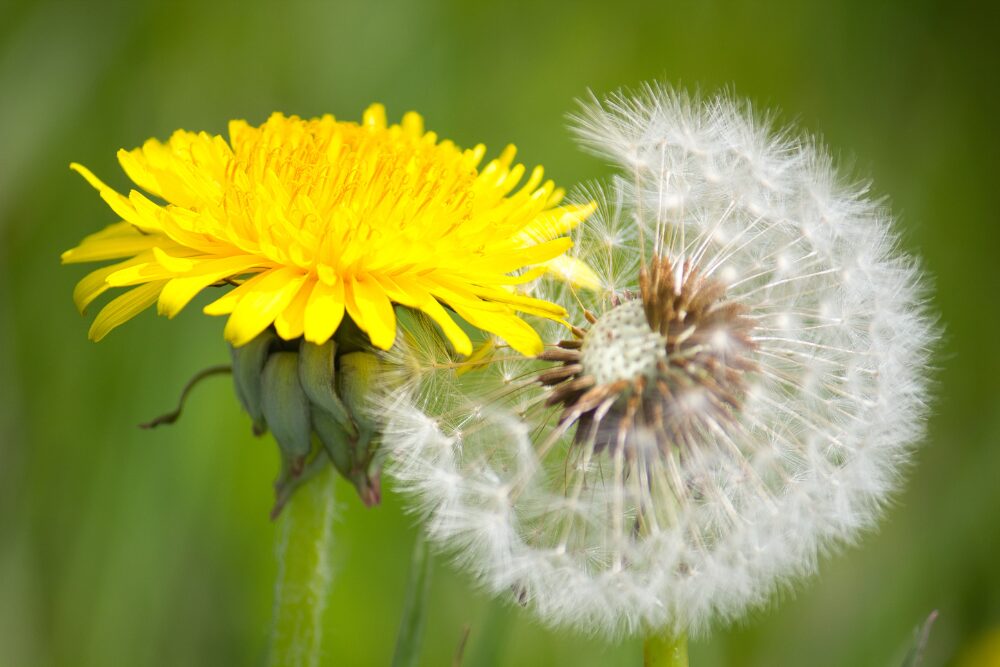
Q: Every year I find one dandelion with a large but flat stem, topped by a large bloom. What causes this?
Multiple stems, fused into one flat stem, crowned with an oversized flower means the flower exhibits “fasciation,” a botany term. The cause remains unknown. Some experts lean toward a virus, while others think bacteria. Dandelions appear more vulnerable to fasciation than other plants, although it occurs in other species also. Don’t worry about contagion. It doesn’t spread to other plants or return to the same dandelion the following year.
See more: Rooted Bird Feeders Allow Mother Nature to Take Over Filling the Bird Feeder
About the Author: Jan Phipps is a University of Illinois Extension Master Gardener. She gardens, writes and podcasts near Chrisman.